Accessible public transport in Dubai
How far the step-free network in Dubai really reaches, and which of the 2 places we profile you can get to without meeting a step.
- 100% of 53 stations are step-free, per RTA
- Buses are low-floor with ramps across the fleet
- Wheelchair-accessible taxis are available
- 2 profiled places sit near a step-free station
Almost everything a visitor sees in Dubai was built after modern accessibility codes existed, and it shows. All 53 Metro stations have lifts and tactile paving, malls and attractions are level and generously wide, and turning space is rarely the constraint. The barrier here is climate. From May to September, outdoor temperatures above 42 degrees make distance itself the access problem, whatever the built environment does.
Places you can reach step-free in Dubai
Each profile lists its nearest step-free station and the distance from it.
 Highly accessible
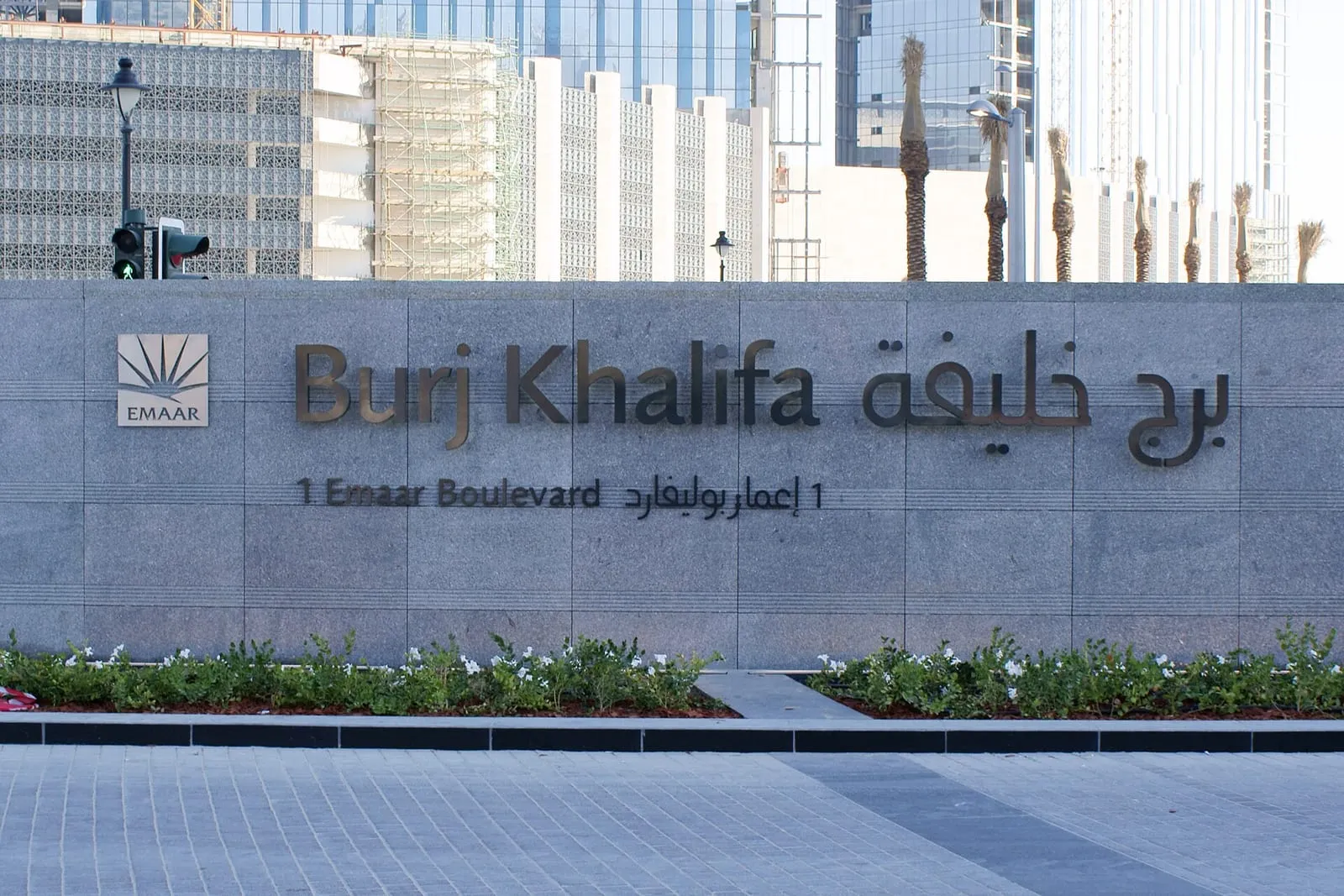
 At the Top is step-free from ticketing to the observation decks on lifts sized for a powerchair and companion — but service animals are not permitted.
 Highly accessible
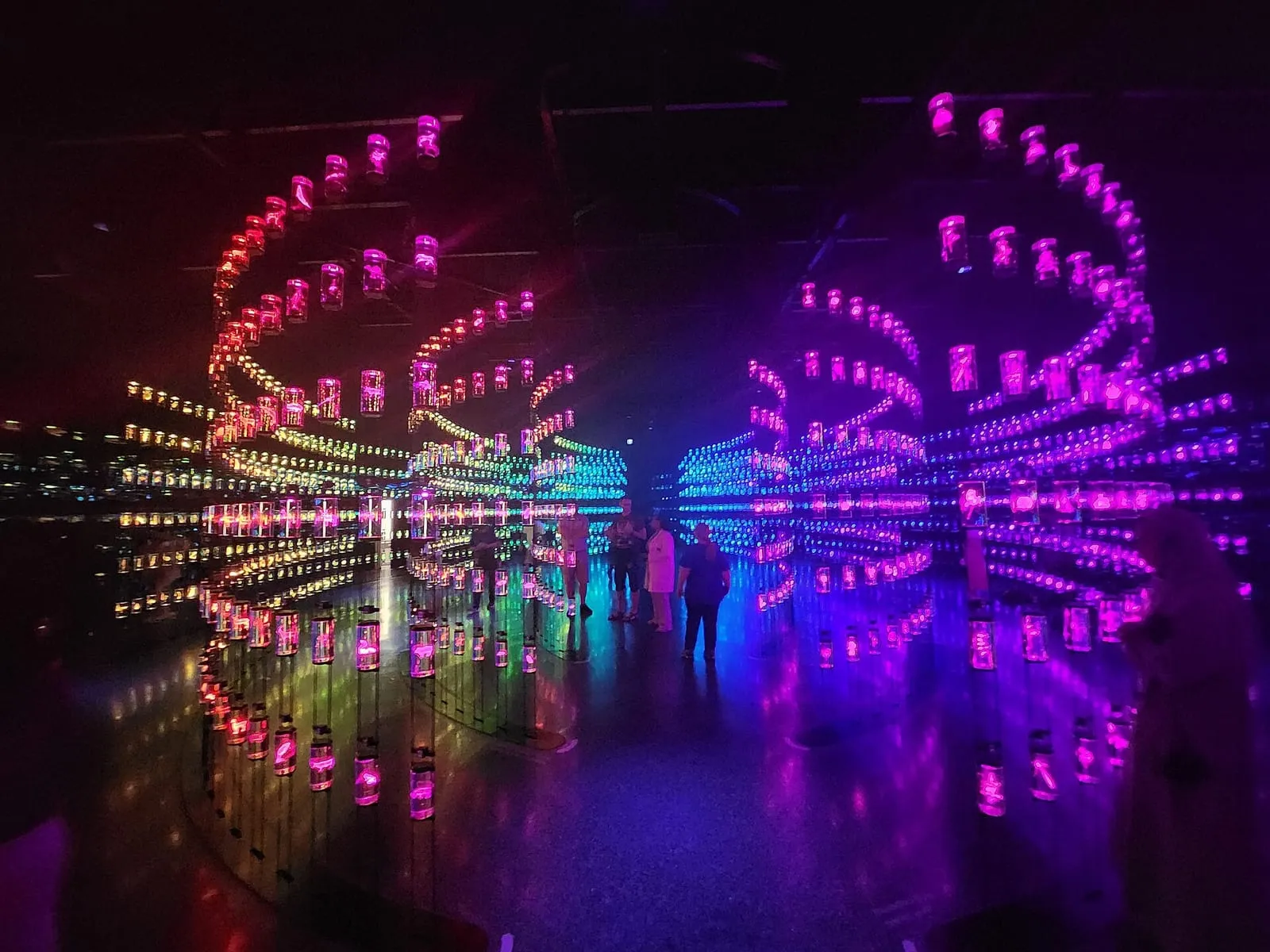
 A 2022 building where accessibility was a design premise: lifts to every floor, wide level circulation, free entry for a person of determination and one caregiver.
Getting around: a purpose-built network
The RTA's Metro is the backbone and it is uniformly accessible. Every station on the Red and Green lines has lifts from street to concourse to platform, platform screen doors give level boarding with a negligible gap, tactile guidance paths run through the stations, and dedicated spaces sit in each car. Stations are air-conditioned, which matters as much as the lifts do.
Station-to-destination links are the design feature Dubai gets right. Air-conditioned footbridges and travelator tunnels connect Metro stations to major buildings, including an 820-metre link from Burj Khalifa/Dubai Mall station into the mall and a direct bridge from Emirates Towers station to the Museum of the Future. These turn a punishing walk into an indoor one.
Accessible taxis exist but need booking. Dubai Taxi operates wheelchair-accessible vans that you reserve by phone or app rather than hail, and the RTA also runs an accessible-vehicle service for People of Determination. The public bus fleet is low-floor with ramps and, unusually, many bus shelters are enclosed and air-conditioned. Ride-hailing apps generally cannot supply an accessible vehicle.
Attractions and the mall model
Dubai's attractions are mostly recent and mostly excellent. At the Top at Burj Khalifa is accessible throughout, from the ticketing hall to the observation decks, on lifts sized for a powerchair plus companion. The Museum of the Future, opened in 2022, was designed with accessibility as a base requirement rather than a retrofit, with lifts to every floor and accessible restrooms throughout.
The mall is the local access strategy. Dubai Mall and Mall of the Emirates provide flat, wide, air-conditioned circulation, free loaner wheelchairs, plentiful accessible restrooms and direct Metro links, and both function as climate-controlled town centres rather than shopping trips. Many attractions sit inside or adjacent to them, which lets you chain a full day without going outdoors.
One real gap: At the Top states that service animals are not permitted on the experience, which is a hard exclusion for guide-dog users and worth confirming directly before booking. Sensory provision across the emirate is thinner than in London or New York, with quiet hours and low-stimulus rooms rarely published even where the physical access is faultless.
Fares, passes and assistance
Published by the operator. Concession rules change, so check before you buy.
- Disabled concession
- nol Personalised Card for People of Determination
- Free travel on Dubai Metro and Dubai public buses
- Residents only — not available to visitors
RTA issues a personalised nol card to People of Determination that gives free travel on the Dubai Metro and Dubai public buses. It is a personalised card issued on application and valid five years, so it is not usable by a visitor arriving without one. Other services paid from the nol e-purse, such as parking and water bus trips, are not free.
- Accessible taxis
RTA operates a dedicated accessible taxi service for People of Determination, running 24 hours a day and covering all areas of the emirate, with drivers trained for the role. RTA states the fare for People of Determination taxis is charged on the same basis as normal Dubai taxis.
Good to know
- Dubai Metro is driverless, and RTA states its stations include dedicated provision for People of Determination.
- Newer RTA buses have a lowered floor level to make boarding easier.
Sources: RTA Dubai - People of Determination (retrieved August 10, 2026) · RTA Dubai - About nol cards (retrieved August 10, 2026)
Accessibility in Dubai: common questions
Is Dubai wheelchair accessible?
To an unusually high standard, physically. All 53 Metro stations have lifts, tactile paving and level boarding; malls and major attractions are flat, wide and air-conditioned; and lifts are typically sized for a powerchair plus companion. The real constraints are summer heat, thin published documentation and the need to pre-book accessible taxis.
Is the Burj Khalifa accessible for wheelchair users?
Yes. At the Top is step-free from the Dubai Mall approach through ticketing, security and the high-speed lifts to the observation decks, with generous turning space at the top. Book a timed slot and note that the operator states service animals are not permitted on the experience, which excludes guide-dog users.
When should wheelchair users visit Dubai?
November to March. Daytime temperatures of 24 to 28 degrees make outdoor promenades and beaches usable. From May to September, 42 to 45 degrees reduces powerchair battery range, heats armrests and footplates painfully, and creates real risk for anyone with impaired thermoregulation.
What does People of Determination status mean for visitors to Dubai?
It is the UAE term for people with disabilities and it carries concessions: many attractions, including the Museum of the Future, admit a person of determination and one caregiver free. Carry documentation such as a recognised disability card, and present it at the customer service desk on arrival rather than at the entry gate.