Accessible travel in Barcelona
What accessibility actually looks like across 6 of the most-visited places in Barcelona — measured against one consistent protocol, so the figures are comparable.
- 6 places profiled attribute by attribute
- 4 with a step-free main entrance
- 5 with recorded lift dimensions
- 5 with an accessible toilet
- Average accessibility score of 88/100
Tickets and guided visits in Barcelona
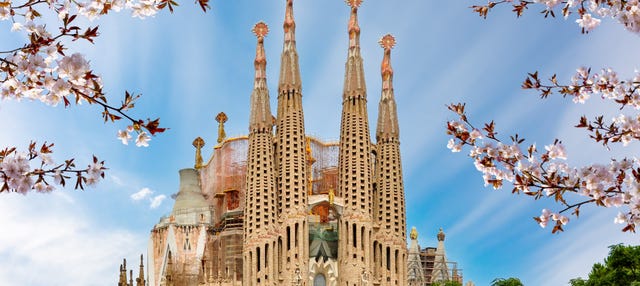 Sagrada FamíliaSagrada Familia Tour & TicketsFrom €90
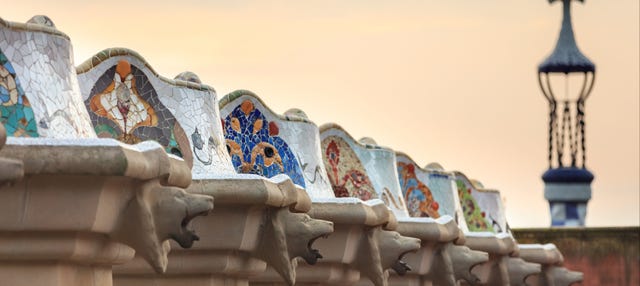 Park GüellPark Güell Guided Walking TourFrom €30
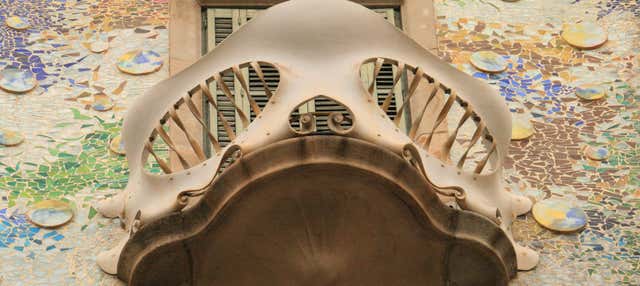 Casa BatllóGaudí's Casa Batlló Skip the Line TicketFrom €35
Booking is on Civitatis. The accessibility of each activity is set by its operator: check the listing before you book.
Barcelona is two cities for anyone rolling. The Eixample grid is flat, wide and generously kerbed, and 156 of the metro’s 165 stations now have lifts, which is among the best ratios in Europe. Then there is the older Barcelona: the stone lanes of the Gothic Quarter, and the hillsides at Park Güell and Montjuïc, where gradients above 10% and compacted earth undo much of what the flat districts get right.
Accessible places in Barcelona
Ranked by accessibility score, which is derived from each recorded profile.
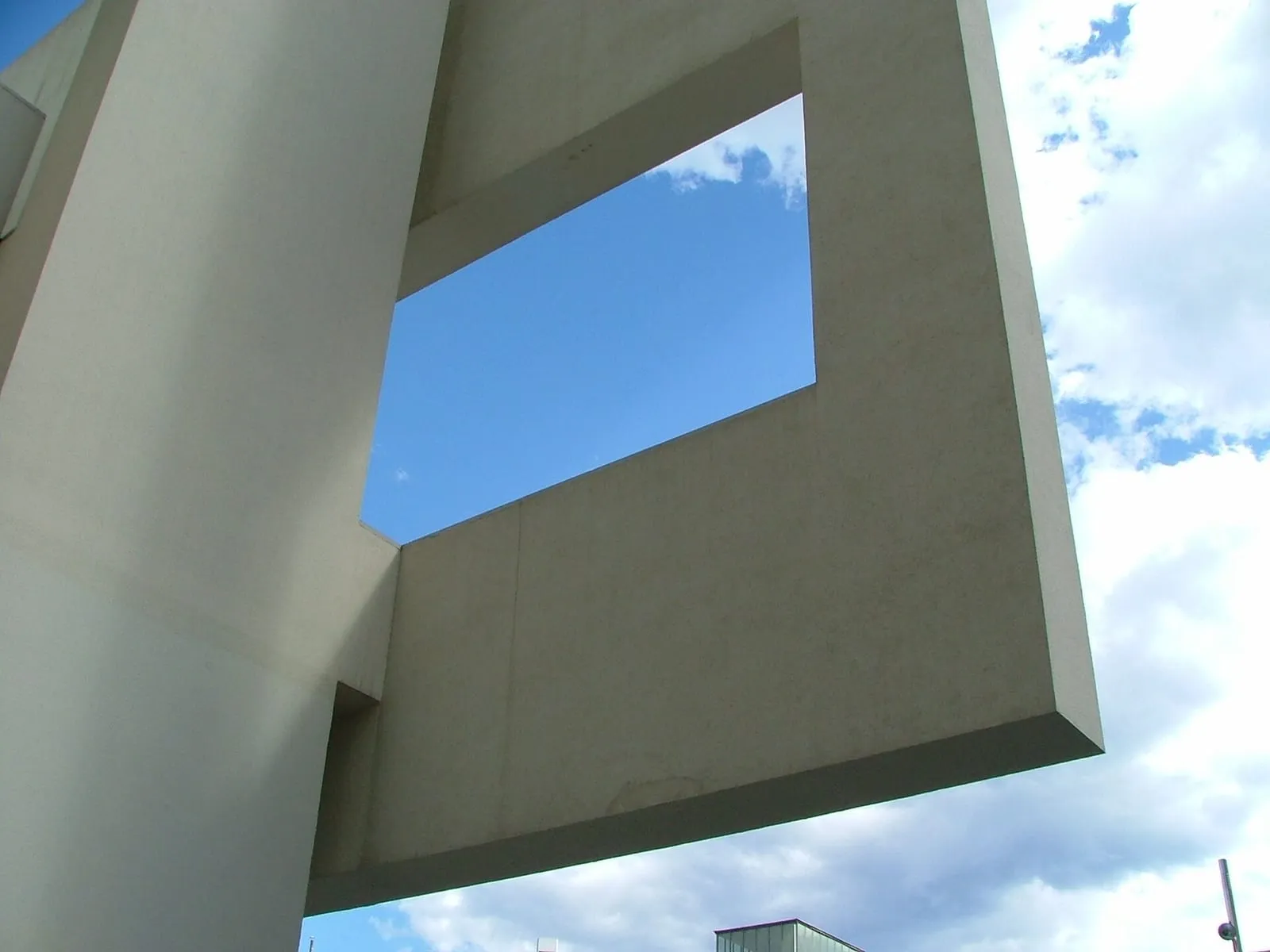 Highly accessible
 One of the best-documented accessible entrances in Europe: a 40 m ramp at 2.5%, a 115 cm clear door width, lifts to every floor and free entry with a companion.
 Accessible
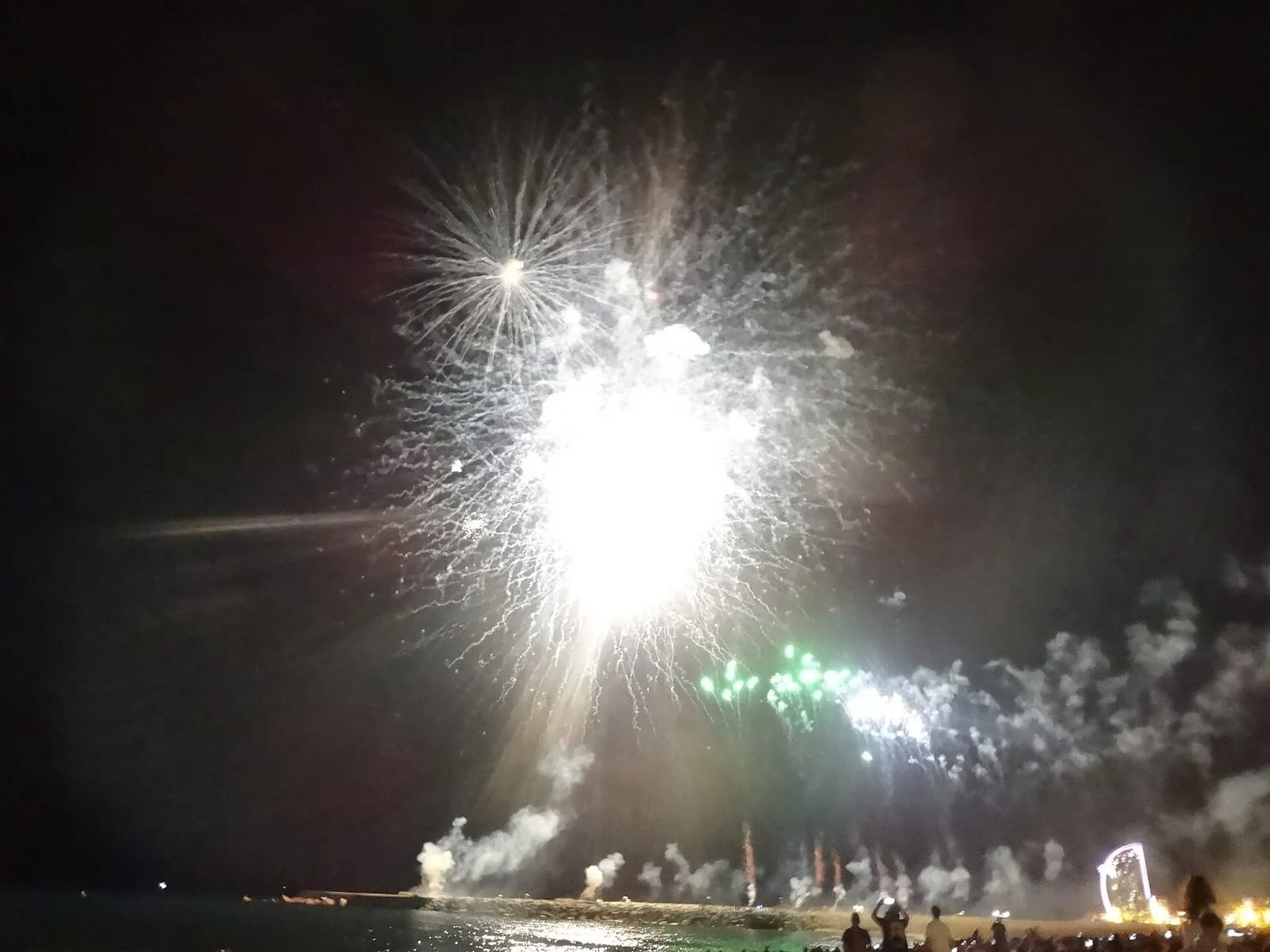
 Boardwalks, an inclusive changing room with a hoist and a staffed assisted-bathing service with amphibious chairs — but only in peak season.
 Accessible
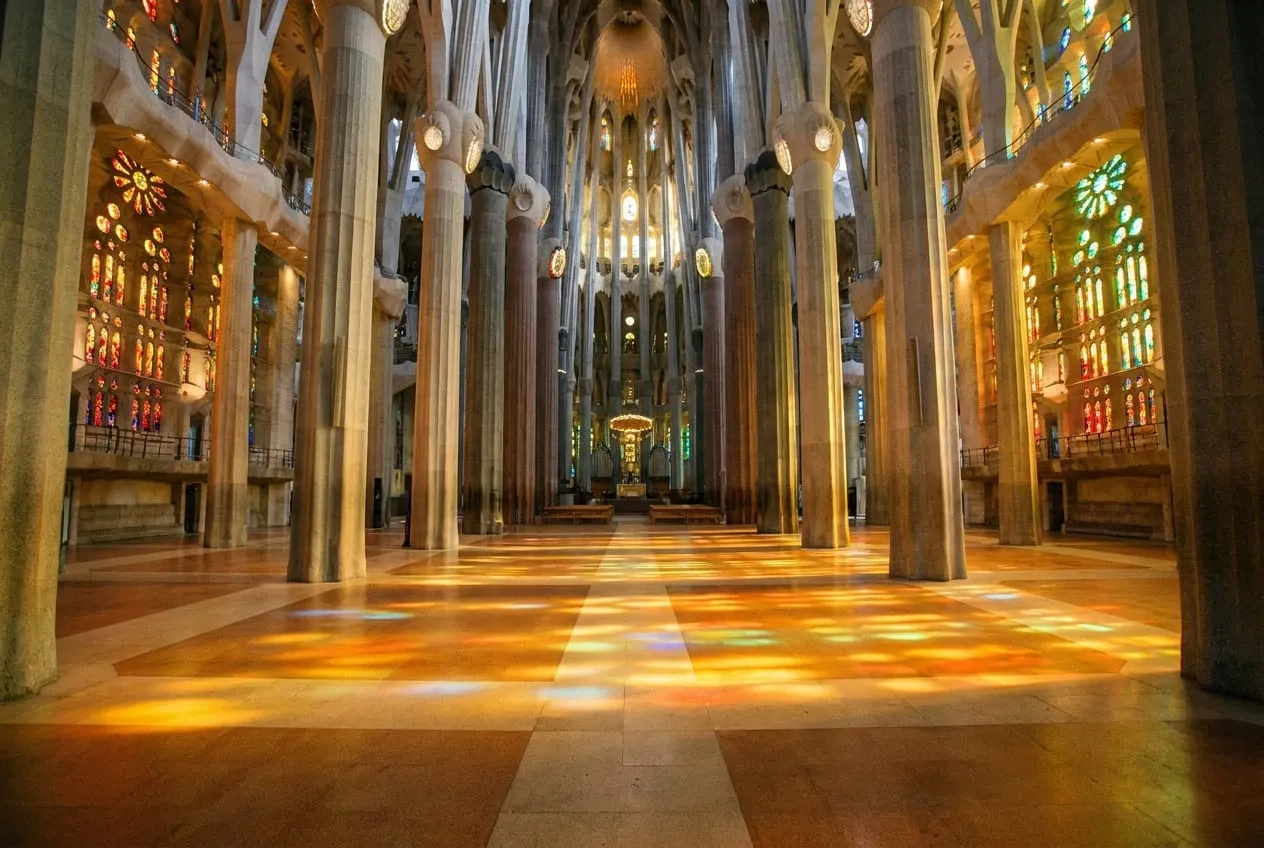
 The basilica floor is completely level and unusually spacious; the towers are stairs-only and remain out of reach for wheelchair users.
 Partial
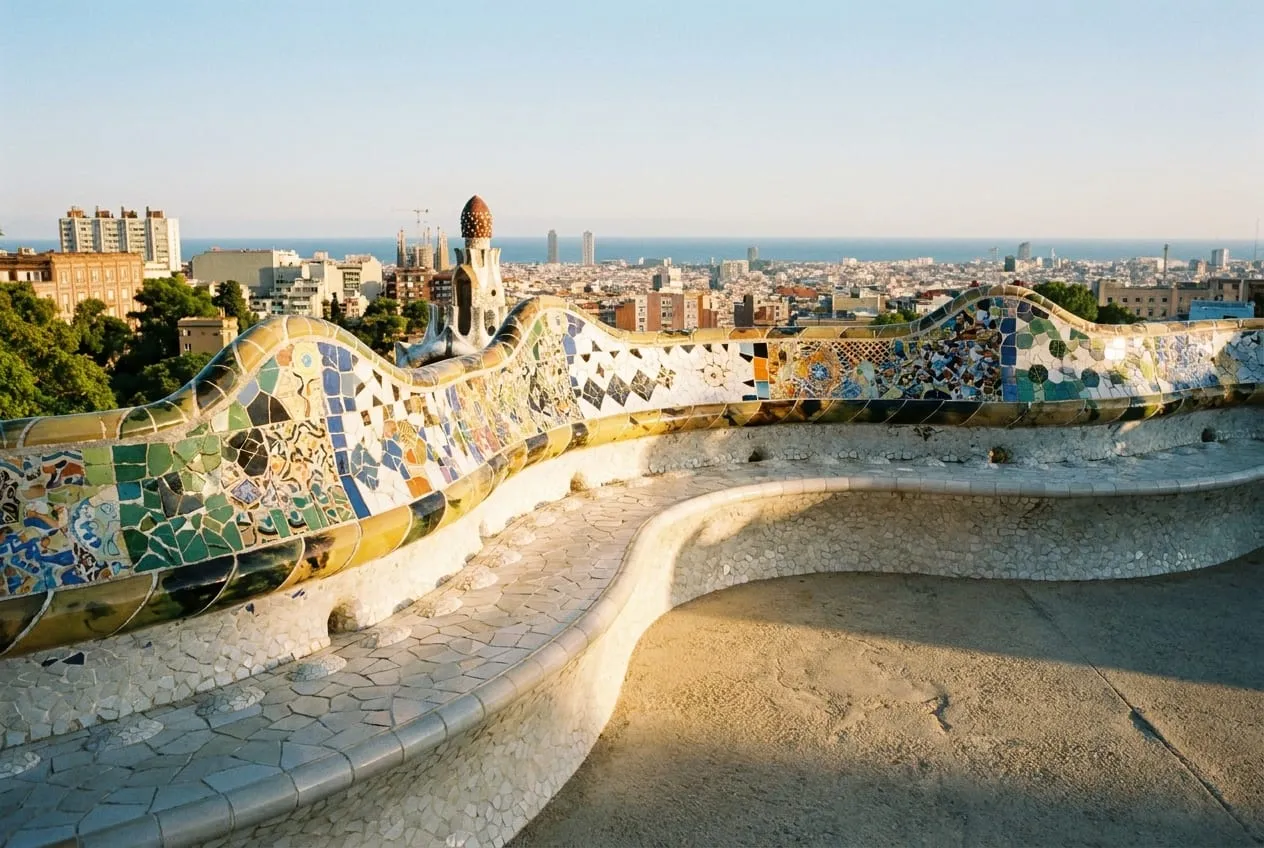
 Two published step-free itineraries reach the main terrace and Hypostyle Room, but the hillside beyond them is steep and the Dragon Stairway is stairs-only.
Two elevators with priority for disabled visitors reach every floor up to the roof terrace, and the whole house can be visited in a wheelchair.
Lifts and ramps connect the courtyards, the Tenants' Apartment and the attic, but the rooftop is too uneven for wheelchairs and chairs wider than 63 cm need to be arranged in advance.
Museums and landmarks: free entry, uneven buildings
Free admission for a disabled visitor and a companion is close to standard across Barcelona’s museums, usually on presentation of official documentation — bring proof, because staff do ask for it. MACBA is the clearest success: the way in is a single exterior ramp roughly 40 m long and 4.5 m wide at a 2.5% gradient, leading to a glass door with 115 cm of clear width, with lifts to every floor beyond it.
The Gaudí sites are more mixed, and the honest summary is that the interiors do better than the exteriors. The Sagrada Família nave is completely level and vast; its towers are reached by a lift you can only get to via stairs, and the way down is a spiral staircase, so the towers are out. Park Güell publishes two step-free itineraries through the Monumental Zone, but they deliberately avoid the Dragon Stairway, which means the famous mosaic lizard is not on your route.
Streets, surfaces and the hills
The Eixample is one of the easiest street grids in Europe to roll through. Cerdà’s chamfered corners create wide open crossings, pavements commonly run 4–5 m, and dropped kerbs are near-universal and usually aligned across a junction rather than left stranded on one side. Passeig de Gràcia, Gran Via and the Rambla de Catalunya are smooth paving slabs with long level runs, frequent benches and shade from the plane trees for most of the day.
Ciutat Vella is the opposite. The Gothic Quarter and El Born keep their stone setts and granite paving, with lanes narrowing below 200 cm and occasional single steps into shops and bars that no ramp has been added to. Most of it is passable in a powerchair and tiring in a manual one; the vibration is the problem rather than the gradient, and it accumulates across an afternoon.
Then there is topography, which the flat postcard views hide. Gràcia rises steadily towards Park Güell, and the approach from Vallcarca station is served by outdoor escalators — useless in a wheelchair, so take the bus instead. Montjuïc is genuinely steep, but the funicular from Paral·lel and the Montjuïc cable car are both step-free, which turns a hill climb into a straightforward transfer.
Practical planning
The beaches are a real feature rather than a footnote. Barcelona City Council runs assisted bathing points with amphibious chairs, hoists and shaded platforms, but they rotate through the season: Fòrum and Nova Icària open first, with Barceloneta and Bogatell staffed in peak season. Book the assisted bathing slot by phone or online before you travel out to the sand.
Heat is the underrated obstacle. July and August routinely sit above 30 °C with high humidity, and shade on the beachfront and along the upper terraces of Park Güell is patchy at best. If you use a pressure-relieving cushion, or have any difficulty regulating temperature, plan the outdoor half of each day before noon and treat the afternoon as museum time — the galleries are air-conditioned and rarely busy at three.
Two administrative details catch visitors out. Barcelona’s low-emission zone, the ZBE Rondes, restricts older vehicles on weekdays across most of the city, and a disability parking permit does not automatically exempt a foreign-registered car, so register or check before driving in. Second, nearly every attraction concession — free entry, a discounted companion, priority access — requires documented proof of disability, such as a national or EU disability card.
Accessibility in Barcelona: common questions
Is the Barcelona metro wheelchair accessible?
Largely yes. TMB reports lifts at 156 of 165 stations, and every bus has been ramp-equipped since 2007. Nine stations remain without lifts, and some interchanges are only partly reachable — at Clot, for example, the L2 platforms have lift access and the L1 platforms do not. Check the station page for live lift status before travelling.
Is Sagrada Família wheelchair accessible?
The basilica interior is, entirely. Use entrance B on Carrer de la Marina, where visitors with reduced mobility get priority access and wheelchairs can be borrowed subject to availability. The towers are not accessible: the tower lift is reached by stairs and the descent is a spiral staircase. Official proof of disability is required for concessions.
Are Barcelona’s beaches wheelchair accessible?
Several are, with reserved parking, wooden walkways towards the water, adapted toilets and staffed assisted bathing points using amphibious chairs and hoists. The staffed points move through the season — Fòrum and Nova Icària at the start, Barceloneta and Bogatell in peak season — and the bathing service must be booked in advance.
What surfaces should wheelchair users expect in Barcelona?
Smooth paving slabs and wide chamfered crossings across the Eixample, with reliable dropped kerbs. In Ciutat Vella expect stone setts, lanes under 200 cm and the occasional single step into premises. Park Güell and Montjuïc add compacted earth and gradients around 10%, though Montjuïc has a step-free funicular and cable car.