Accessible public transport in Lisbon
How far the step-free network in Lisbon really reaches, and which of the 2 places we profile you can get to without meeting a step.
- 79% of 56 stations are step-free, per Metropolitano de Lisboa
- Buses are low-floor with ramps across the fleet
- Wheelchair-accessible taxis are available
- 2 profiled places sit near a step-free station
Lisbon is the mirror image of Vienna: excellent modern infrastructure laid over terrain that fights it. Metropolitano de Lisboa reports around 44 of 56 stations step-free, the riverfront is flat for kilometres, and the Parque das Nações district is barrier-free by design. Then there are the hills of Alfama and Bairro Alto, the polished limestone paving, and heritage trams with steps that no ramp will ever fix.
Places you can reach step-free in Lisbon
Each profile lists its nearest step-free station and the distance from it.
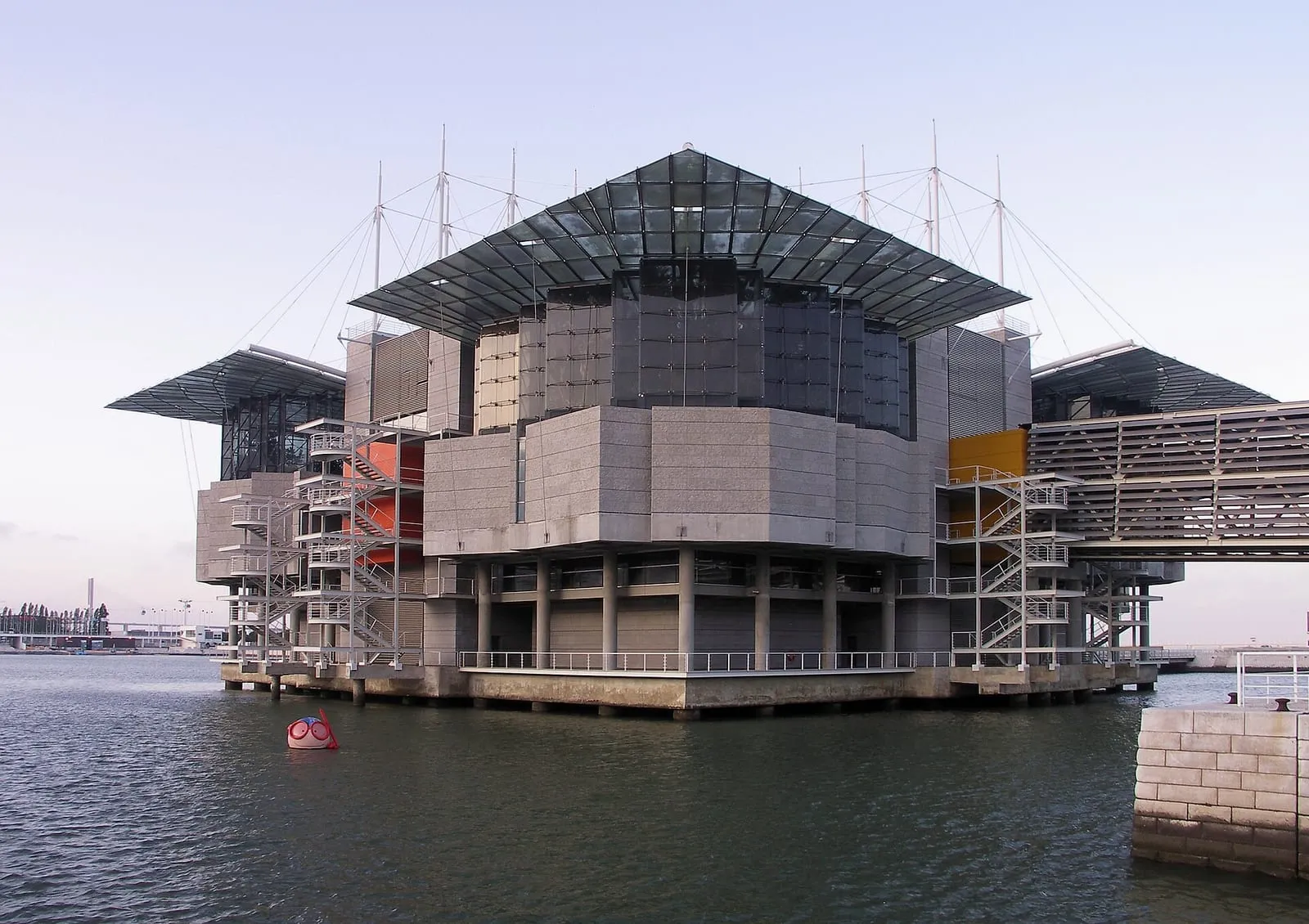 Highly accessible
 A purpose-built modern route with ramps and lifts throughout, accessible toilets, priority admission and free entry for disabled visitors.
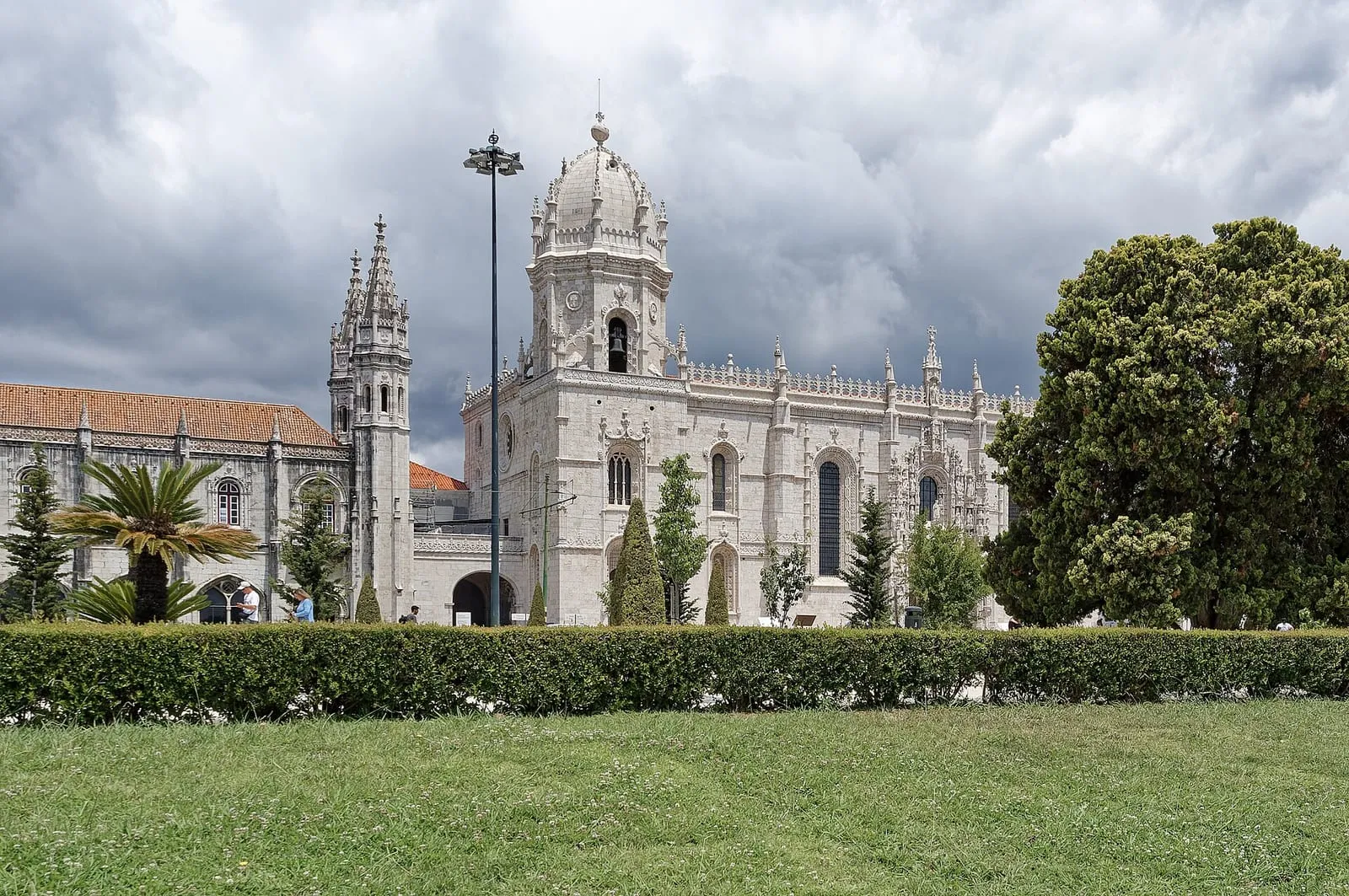 Partial
 Step-free to the church and lower cloister with tactile and Braille support, but the upper cloister is reached only by a spiral stair.
Getting around: metro, modern trams and workarounds
The metro is the reliable option. Around 44 of 56 stations have lifts from street to platform, the newer stations on the Red line are excellent, and Oriente in particular is fully step-free and connects to mainline rail and the airport corridor. Where a station lacks a lift, it usually lacks it entirely, so the network divides cleanly into usable and not — check station by station on the operator's accessibility page.
On the surface, one tram matters. Route 15E to Belém uses the modern articulated cars, which are low-floor with wide doors and a wheelchair space, and it is the practical way out to the Jerónimos and Belém cluster. The famous heritage lines — 28E, 12E, 18E, 24E — use vintage Remodelado cars with narrow doors and steep steps and are not usable in a wheelchair. That is a hard limit, not a booking problem.
The city buses are almost all low-floor with ramps, and Carris publishes its accessible-line list. For the gaps, taxis are the honest answer: standard taxis are plentiful and cheap by western European standards, and the city has a small wheelchair-accessible fleet that needs booking ahead. Many visitors who use a foldable chair simply use ordinary taxis for the hills.
Museums, monuments and the flat districts
The Oceanário de Lisboa is the standout, and it is genuinely excellent: a purpose-built modern route with ramps and lifts throughout, accessible toilets, priority admission for visitors with reduced mobility, and an accessible path from two nearby car parks. Around it, Parque das Nações is a planned 1990s district — level, wide, smooth, with dropped kerbs that actually line up.
Belém is the other flat cluster, and here the buildings are older and the picture is mixed. The Jerónimos Monastery gives step-free access to the church and the lower cloister but the upper cloister is reached only by a spiral staircase, and admission is free for a wheelchair user and companion in part because so much is out of reach. The Torre de Belém is effectively stairs-only above the terrace.
The hilltop viewpoints — the miradouros that define the city's image — are the honest disappointment. Some are reachable by lift or by taxi to the top, notably Santa Luzia and the area around São Pedro de Alcântara via the Glória funicular's upper station, but many require a cobbled climb. Pick two or three rather than trying to collect them.
Fares, passes and assistance
Published by the operator. Concession rules change, so check before you buy.
- Booking assistance
- No advance booking scheme published
Metro de Lisboa states that customers with reduced mobility can request support from station staff, including priority service, help with tickets, escort to the platform and installation of a movable ramp where needed.
Good to know
- Metro de Lisboa reports 47 of its 56 stations with full accessibility - 84% of the network - after new lifts opened at Martim Moniz and Intendente in July 2026.
- The network has 372 mechanical accesses: 128 lifts, 234 escalators and 10 moving walkways.
- Lift reliability matters here: Metro de Lisboa reported cutting lift unavailability from around 33% to around 17% during 2026. Check live equipment status and the accessibility network diagram before travelling.
- Metro de Lisboa advises confirming in advance, on the accessibility network diagram, that BOTH your origin and destination stations have full accessibility.
Sources: Metropolitano de Lisboa - Diagrama da rede, acessibilidades (2026) (retrieved August 10, 2026) · Metropolitano de Lisboa - Novos elevadores em Martim Moniz e Intendente (retrieved August 10, 2026) · Metropolitano de Lisboa - Acessibilidade (arquivo) (retrieved August 10, 2026)
Accessibility in Lisbon: common questions
Is the Lisbon metro wheelchair accessible?
Largely. Metropolitano de Lisboa reports around 44 of 56 stations step-free with lifts from street to platform, and the newer Red line stations are excellent. Accessibility is station-specific rather than line-wide, so check each stop on the operator's accessibility page before planning a route around it.
Can wheelchair users ride the famous Lisbon trams?
Only route 15E. Its modern articulated cars are low-floor with wide doors and a wheelchair space, and it runs to Belém. The heritage lines everyone photographs — 28E, 12E, 18E and 24E — use vintage cars with narrow doors and steep steps that cannot be ramped, so they are not an option.
How do you get around Lisbon's hills in a wheelchair?
Combine three things: the step-free metro for distance, ordinary taxis for the climbs, and the flat riverfront spine from Cais do Sodré to Parque das Nações for everything in between. The Elevador de Santa Justa is step-free to its middle deck. Avoid planning routes that cross Alfama or Bairro Alto on the ground.
What is Lisbon's calçada paving like for wheelchairs?
Handsome and awkward. The small limestone blocks leave joints wide enough to catch a front castor, and the surface polishes smooth, which makes it slippery in rain — particularly on a gradient. Larger castors help considerably, and choosing the flat lower city over the hill quarters helps more.