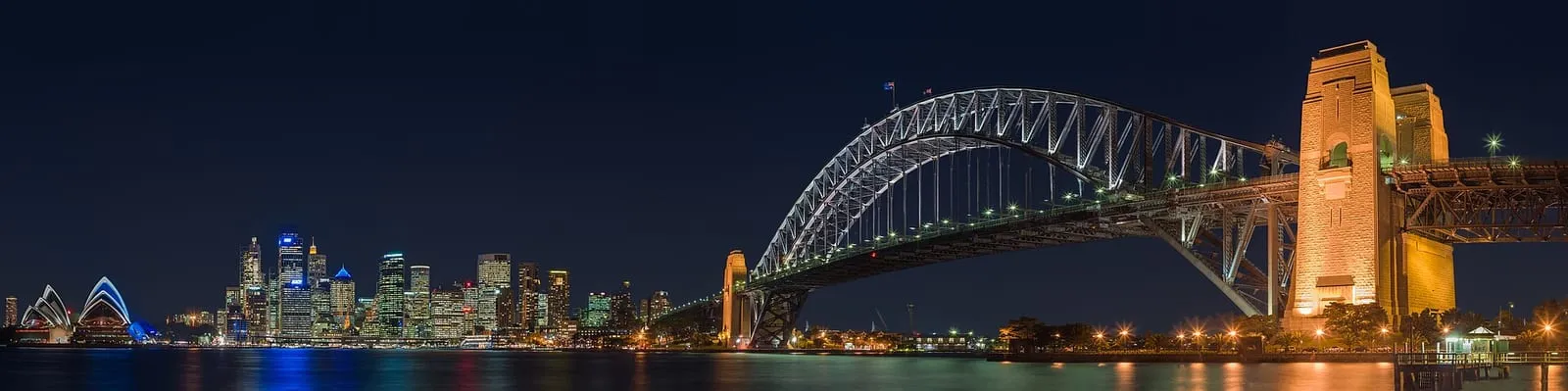
Sydney
Modern infrastructure over harbour sandstone
Sydney combines some of the best new accessible infrastructure in the world with a landscape that fights it. Transport for NSW reports around 120 of 178 suburban rail stations with lift access, the driverless Metro is accessible end to end, and the harbour ferry fleet loads level at Circular Quay. Then the ground rises. This is a city of sandstone ridges and 60-metre drops to the water.
Accessible places in Sydney
Each profile records door widths, lift dimensions, slopes, surfaces and sensory support — with its sources.
 Accessible
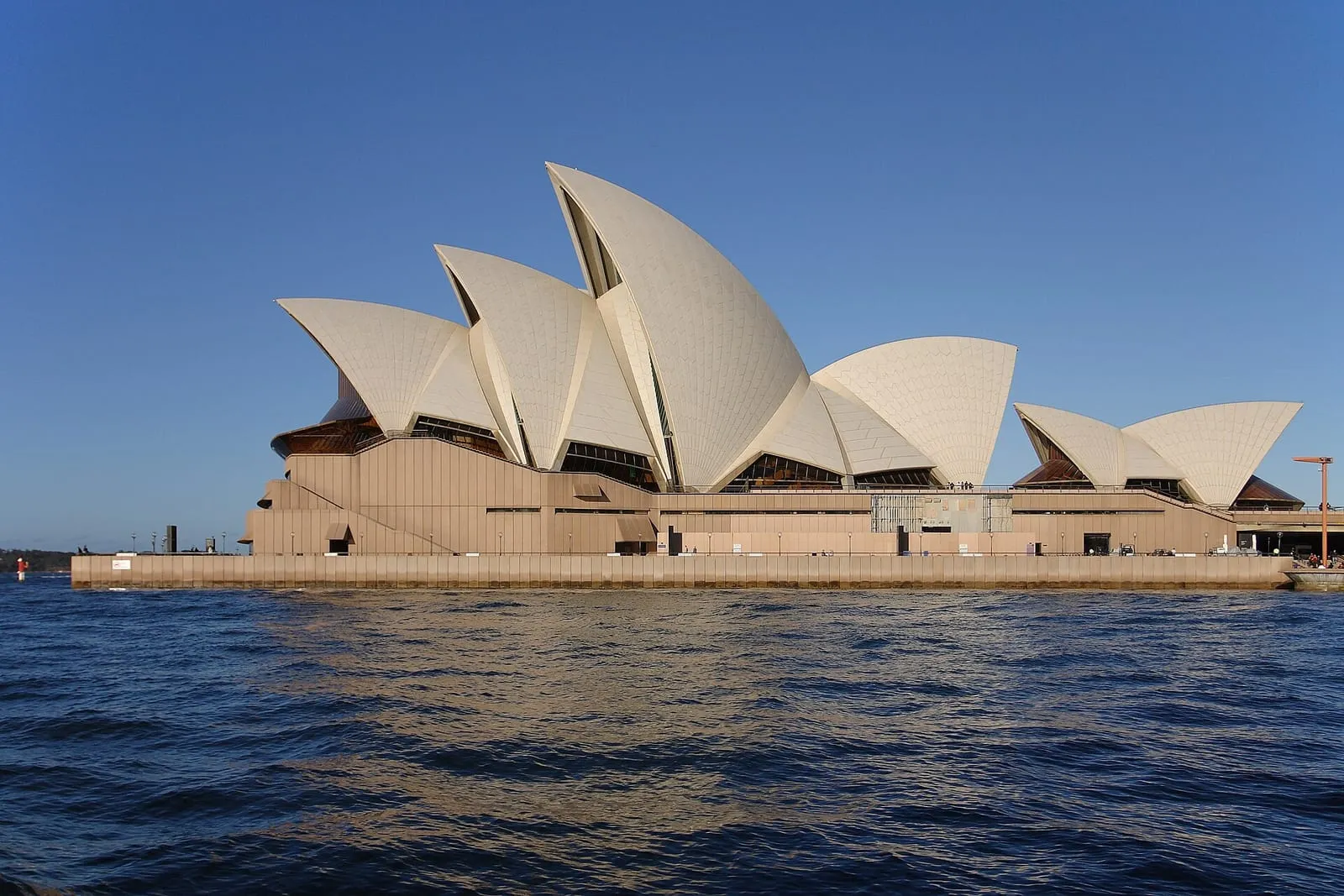
 A step-free route into every foyer, accessible seating in all theatres, a Changing Places facility with a hoist, and a courtesy accessible shuttle.
 Partial
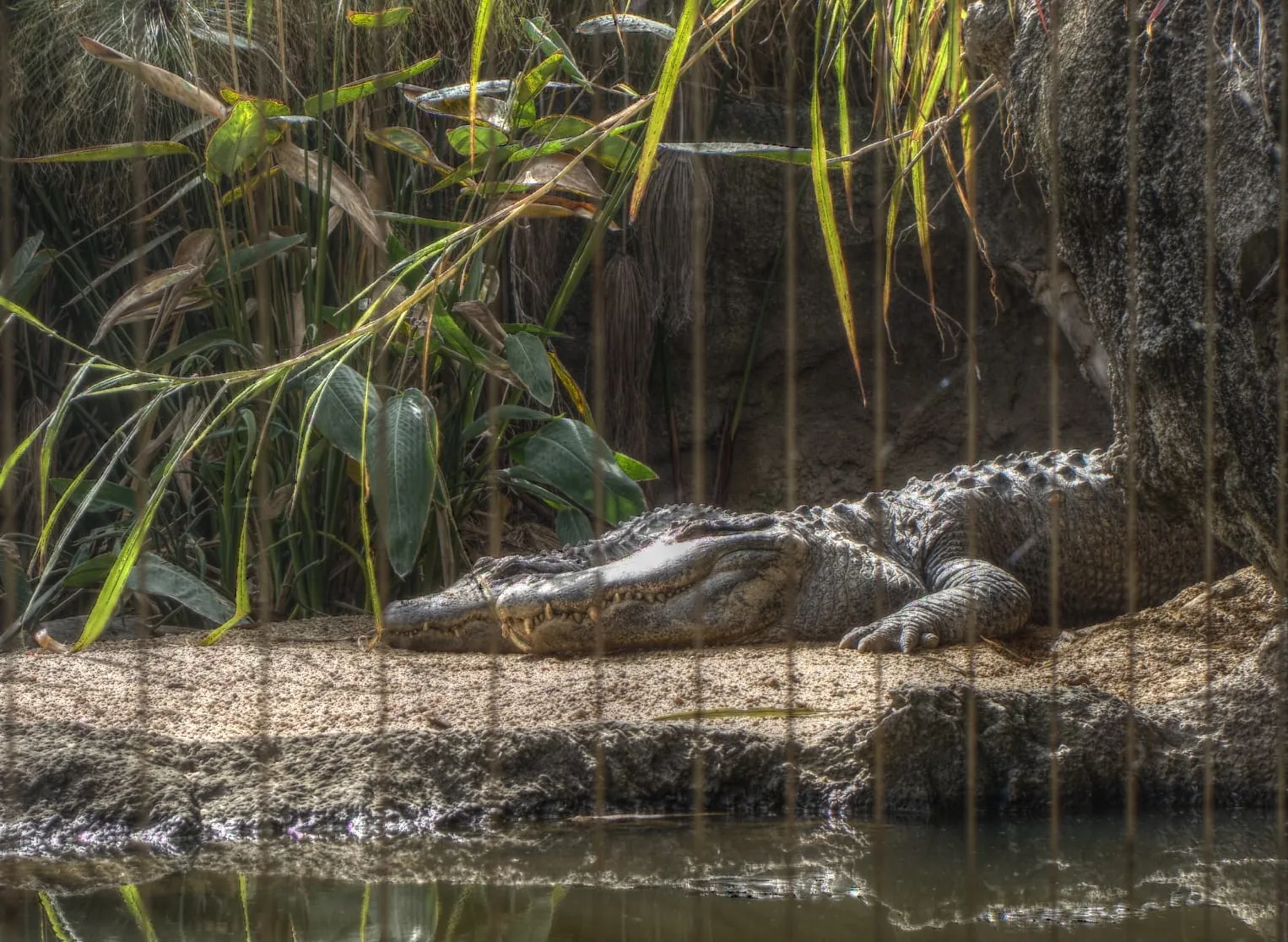
 Every path is sealed and 95 percent of exhibits are viewable from a wheelchair, but the site falls 80 metres down a harbour hillside.
Getting around: rail, metro and the ferries
Roughly 120 of 178 Sydney Trains stations have lift or ramp access, and coverage inside the central and inner-west areas most visitors use is close to complete. Boarding is not always level, and station staff deploy a portable ramp on request — the accepted practice is to ask on the platform, and Transport for NSW asks for no advance booking on the suburban network.
The Sydney Metro is the standout. Built from scratch to modern standards, it has platform screen doors, level boarding with almost no gap, lifts at every station and consistently wide gate lines. Where your route can use the Metro, the experience is closer to Singapore than to older Australian rail. Light rail lines L1, L2 and L3 also board level from raised stops.
The harbour ferries are the pleasure. The Emerald and River-class vessels board level from Circular Quay and most major wharves, wharf ramps are gentle, and crew are used to assisting. A ferry to Manly or Taronga is one of the best accessible experiences in the country. Older wooden-hulled Freshwater-class vessels and a handful of small wharves are the exceptions, so check the specific service.
Landmarks and museums
The Opera House provides a step-free route into every foyer, accessible seating in all theatres, a Changing Places facility with a hoist, and mobility-access tours designed to avoid level changes. Its Monumental Steps are the iconic image and are stairs only, but they are not the way in. A courtesy accessible shuttle runs from the Macquarie Street drop-off between 10am and 5pm.
The Art Gallery of New South Wales, the Australian Museum and the Museum of Contemporary Art are all step-free with lifts to every public level, and all three publish detailed access statements. Companion Card is honoured widely across NSW attractions, admitting a support person free with the cardholder's ticket, and reciprocal interstate cards are accepted.
Taronga Zoo is the honest failure in the set. The site drops about 80 metres from the top entrance to the lower zoo across a steep harbour hillside, and while every path is sealed and 95 percent of exhibits are viewable from a wheelchair, the gradients are far beyond anything a compliant ramp would allow. The Sky Safari cable car that used to mitigate this is closed for rebuilding.
Terrain, surfaces and sun
The CBD is manageable but not flat: George Street runs along a ridge and the cross streets fall away east and west, with several blocks between Circular Quay and Town Hall pitching at 6 to 8 percent. The Rocks, Sydney's oldest quarter, keeps sandstone flagging, cobbled lanes and stepped alleys that are genuinely impassable in places.
Newer waterfront development is excellent. Barangaroo, Darling Harbour and the Circular Quay promenade are wide, smooth, level and continuous, with accessible toilets at frequent intervals. The coastal walks are a mixed picture: the Bondi to Bronte path has step-free sections but also stairs, and the accessible portions need to be identified individually.
Sun is an access issue, not just a comfort one. Summer afternoons regularly exceed 30 degrees with high UV, shade on the harbour foreshore is patchy, and heat affects thermoregulation for many people with spinal cord injuries or multiple sclerosis. Plan indoor anchors for the middle of the day between December and February.
Practical planning
Get a Companion Card if you are eligible, or bring a reciprocal interstate card, since it covers free support-person entry across most NSW attractions and many transport services. An Opal card or contactless card works across trains, Metro, ferries, light rail and buses with no accessibility-specific booking.
Many accessible public toilets across Australia are locked and open with an MLAK key from the Master Locksmiths Association scheme; ordering one before you travel saves a genuinely frustrating afternoon. Changing Places facilities with hoists and adult change tables are listed publicly and include the Opera House and several major shopping centres.
When to go for easier access
October to November and March to April give warm, stable weather without the January heat or the school-holiday crowding. Mid-summer afternoons above 35 degrees are a genuine access barrier for anyone whose condition affects heat tolerance.
Fares, passes and assistance
Published by the operator. Concession rules change, so check before you buy.
- Disabled concession
- Gold Senior/Pensioner Opal card
- Concession fares; the Gold Senior/Pensioner Opal card is capped at $2.50 a day across the Opal network
- Residents only — not available to visitors
Requires a Pensioner Concession Card issued by Services Australia or the Department of Veterans Affairs - Australian-issued documentation. Veteran applicants must reside permanently in NSW, and interstate Seniors Card holders must apply three to four weeks before travelling to NSW.
- Booking assistance
- Turn up and go
- How to arrange: Station staff on the day; for regional trains, book online with "Request assistance" or call 13 22 32
Transport for NSW states that station staff are trained to assist passengers on and off trains. When booking a regional train online, choosing "Request assistance" and then "Passenger requires a wheelchair space" automatically books ramp assistance. At an unstaffed station, the Emergency Help Point connects you to staff via live CCTV.
Good to know
- Sydney Metro stations have wider accessible Opal gates, accessible toilets and level access between the platform and the single-deck carriages.
- Check whether your station is attended before you travel; where staff are not readily found, contact details are displayed at the station and in the apps.
Sources: Transport for NSW - Accessible travel (retrieved August 10, 2026) · Transport for NSW - Accessible metro travel (retrieved August 10, 2026) · Transport for NSW - People with disabilities (ticket eligibility and concessions) (retrieved August 10, 2026) · Transport for NSW - Pensioners (retrieved August 10, 2026)
Accessibility in Sydney: common questions
Is Sydney public transport wheelchair accessible?
Largely. Around 120 of 178 Sydney Trains stations have lift access, and the driverless Sydney Metro is accessible at every station with level boarding. Light rail boards level from raised stops, and Emerald and River-class ferries load level at Circular Quay. On suburban trains, ask platform staff for a portable boarding ramp — no advance booking is needed.
Is the Sydney Opera House wheelchair accessible?
Yes, via a step-free route rather than the famous Monumental Steps, which are stairs only. Lifts reach every foyer, all theatres have wheelchair and companion seating, and there is a Changing Places facility with a hoist. A courtesy accessible shuttle runs from the Macquarie Street drop-off, roughly 160 m from the building, between 10am and 5pm.
Is Taronga Zoo suitable for wheelchair users?
Partly, and it is the hardest site in Sydney. Paths are sealed and Taronga states 95 percent of exhibits are viewable from a wheelchair, but the zoo drops around 80 metres down a harbour hillside with gradients well beyond ramp standards. The Sky Safari cable car is closed for rebuilding; the free accessible Zoo Express shuttle bus replaces it.
What is the Companion Card and does it work in Sydney?
It is an Australian card that admits a support person free alongside the cardholder's paid ticket, and NSW attractions honour it widely, including reciprocal cards issued by other states. Sydney Opera House, Taronga Zoo and the major museums all accept it. Apply before you travel; it cannot be issued on arrival.