Accessible public transport in Amsterdam
How far the step-free network in Amsterdam really reaches, and which of the 3 places we profile you can get to without meeting a step.
- 100% of 39 stations are step-free, per GVB
- Buses are low-floor with ramps across the fleet
- Wheelchair-accessible taxis are available
- 3 profiled places sit near a step-free station
Amsterdam gets two things very right and one thing very wrong. Every metro station is step-free, and the big museums are among the most thoughtfully adapted in Europe — lifts to every floor, loan wheelchairs, quiet rooms, free companion entry. What the city cannot fix easily is its own fabric: cobbled canal streets, humped bridges, and seventeenth-century houses whose front doors sit above a stoop and whose staircases are near-vertical.
Places you can reach step-free in Amsterdam
Each profile lists its nearest step-free station and the distance from it.
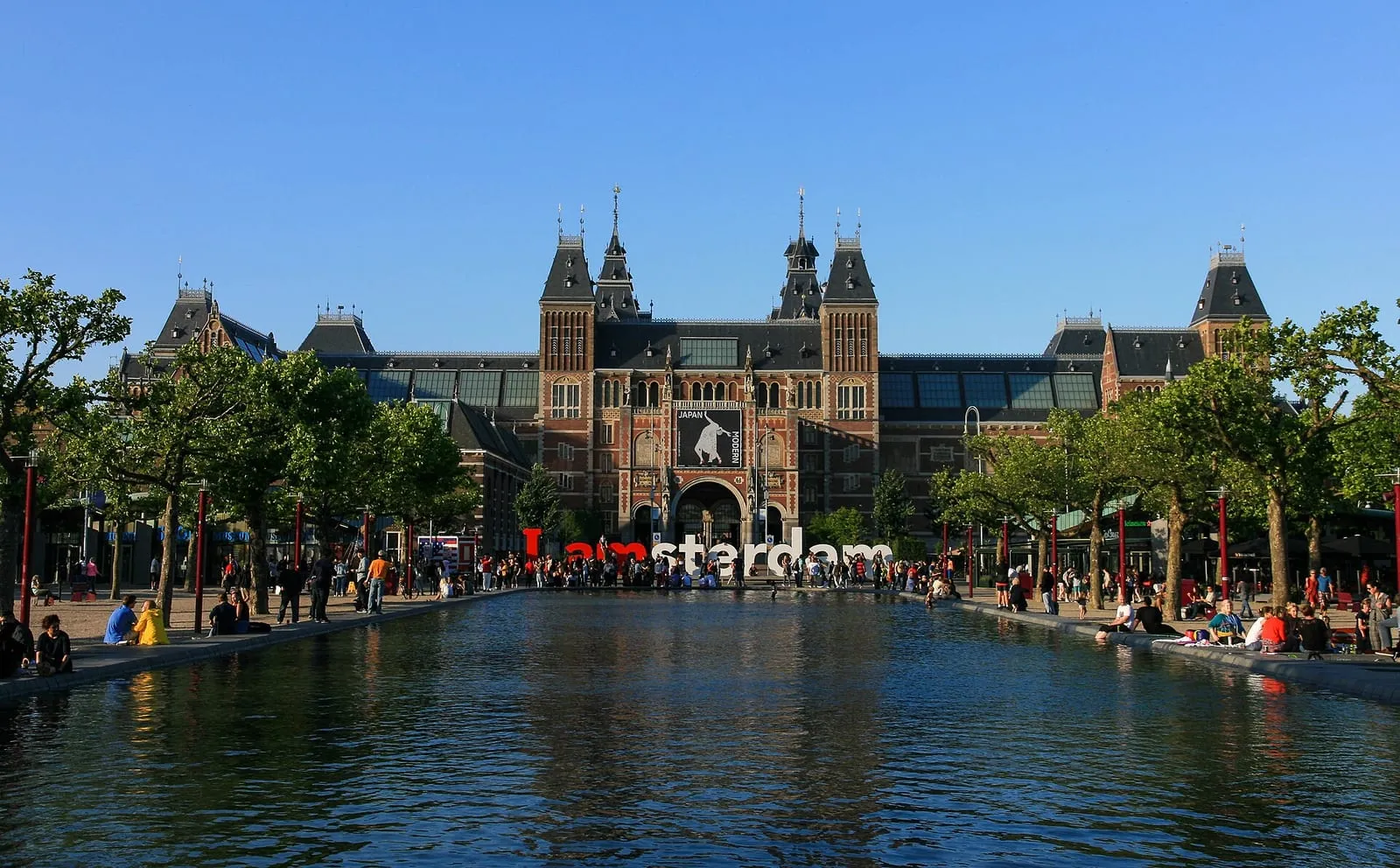 Highly accessible
 Fully navigable by wheelchair or mobility scooter, with lifts to every floor, a hoist-equipped changing room and a quiet room — exceptional by any standard.
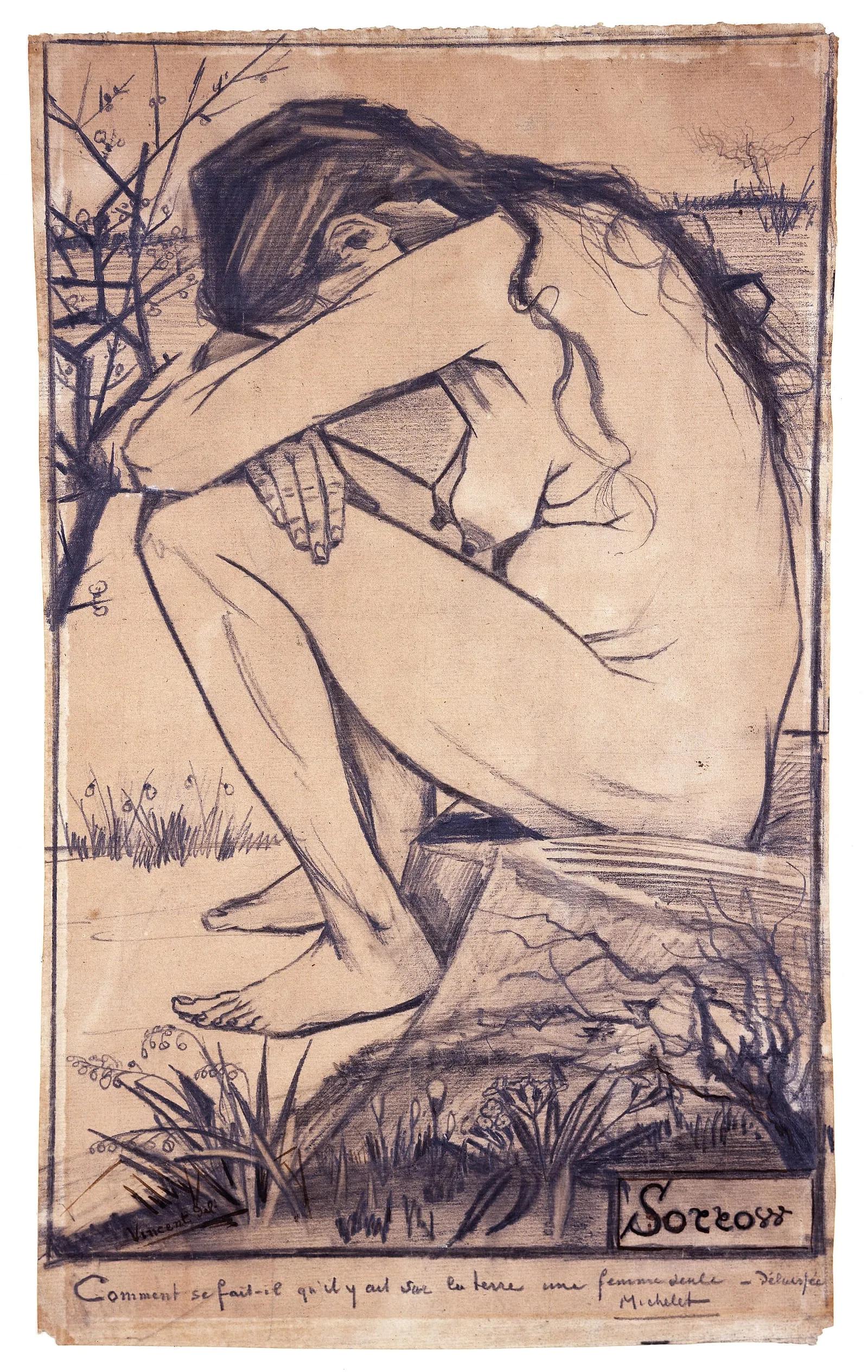 Highly accessible
 Both entrances are level, lifts reach every floor and doorways are threshold-free — with a published loan stock of six wheelchairs and twenty folding chairs.
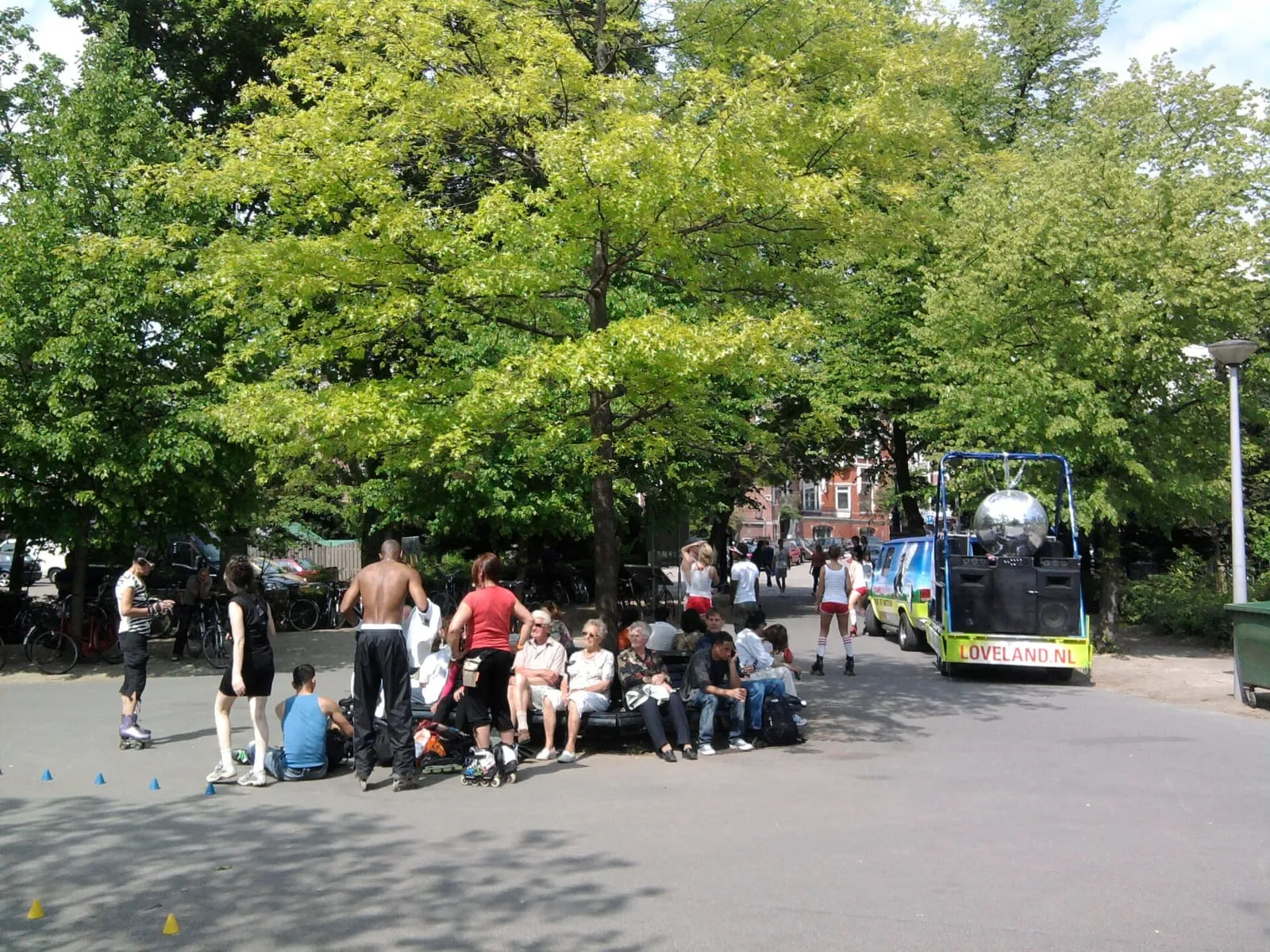 Accessible
 Flat asphalt loops and level entrances make this the smoothest ground in central Amsterdam — the hazard is shared traffic, not the surface.
Getting around: metro is level, trams nearly
The metro is the easy part. All Amsterdam metro stations are step-free with lifts, wide fare gates and level or near-level boarding, and the North–South line 52 — Amsterdam Centraal to Vijzelgracht, De Pijp and Zuid — was built to modern standards throughout. If a journey can be made on line 52, it is about as straightforward as European transit gets.
Trams are good rather than uniform. The Combino and newer 15G fleets are low-floor with wheelchair-marked doors, designated bays and priority seating, and at stops with a raised platform the boarding is level. Where the platform is low or absent, the driver deploys a folding ramp. GVB’s journey planner has an ‘accessible journey’ filter that routes you only via accessible vehicles and stops, and it is the tool to use rather than guessing from the line map.
Two things to plan for. Some older tram stops sit in the middle of the road and are reached across a cobbled carriageway, so the last five metres can be rougher than the whole ride and worth checking on a map first. On the good-news side, the ferries behind Centraal to Amsterdam-Noord are free, frequent and roll straight on with no ramp or booking, which makes the north bank and the museums along the IJ a realistic day out.
Museums: among the best in Europe
The Museumkwartier is the strongest cluster in the city. The Rijksmuseum is entirely navigable by wheelchair or mobility scooter, with lifts to every floor and no dividing thresholds; it lends wheelchairs, rollators, canes and folding stools at the information desk, and provides a floorplan marking lifts, seating and accessible toilets. There is a changing room with a mobile hoist, bed and sink — rare provision in a museum of any size.
The Van Gogh Museum matches it. Both the Museumplein and Paulus Potterstraat entrances are accessible, priority entry applies for disabled visitors, doorways are wide and threshold-free, and the loan stock is published down to the item: six wheelchairs, twenty folding chairs, two rollators and two walking canes, all reservable by email in advance. Both museums admit a companion free of charge, and both connect their wings by lift rather than stairs.
Sensory provision is developing fast. The Rijksmuseum marks quieter galleries in green on its plan, keeps a quiet room, and programmes sensory-friendly evenings; its app offers audio tours with visual text for deaf and hard-of-hearing visitors, and touch tours run for blind and partially sighted visitors. Hearing loops, though, are not published at either museum — ask at the desk rather than assume.
Fares, passes and assistance
Published by the operator. Concession rules change, so check before you buy.
- Booking assistance
- No advance booking scheme published
GVB states that all of its vehicles are accessible to wheelchairs and mobility scooters. Trams carry a wheelchair board (ramp) and marked wheelchair spaces; buses are low-floor with a marked wheelchair space in the middle of the vehicle. If a metro lift is out of order, GVB advises using the blue i-button or calling customer service for an alternative route.
Good to know
- GVB asks wheelchair and mobility-scooter users to position the chair with its back facing the direction of travel - the safest position in an emergency stop.
- Metro stations have extra-wide entrance gates and ticket machines reachable from a wheelchair or mobility scooter.
- The GVB app (Gappie) includes HalteHulp / Virtual Stop Assistance: you can set that you travel with a mobility aid, that you want to use a ramp, and the maximum boarding height you can manage.
- Drivers and conductors may refuse a wheelchair, mobility scooter, bicycle or stroller on safety grounds when there is not enough room.
Sources: GVB - Accessible public transport (retrieved August 10, 2026) · GVB - Step-free access public transport (retrieved August 10, 2026)
Accessibility in Amsterdam: common questions
Is Amsterdam public transport wheelchair accessible?
The metro is, entirely — every station has lifts and step-free platforms, and line 52 was built to current standards. Trams are low-floor with wheelchair bays and board level at raised-platform stops, with a driver-deployed ramp elsewhere. Use the ‘accessible journey’ filter in GVB’s journey planner to route around the exceptions.
Is the Rijksmuseum wheelchair accessible?
Yes, throughout. Lifts serve every floor, there are no dividing thresholds, and wheelchairs, rollators, canes and folding stools can be borrowed at the information desk. One of the three entrances has a lift and security staff direct you to it. A changing room with a mobile hoist and bed is also available.
Are Amsterdam’s cobbled streets a problem for wheelchair users?
They are the main difficulty. Klinker brick and granite setts across the canal belt produce constant vibration and can catch small castors, and quayside kerbs are often shallow or missing. Frequent humped bridges add short 5–8% climbs. Vondelpark and the Museumkwartier are markedly smoother, with flat asphalt and level entrances.
Do Amsterdam museums offer free entry for a companion?
The two largest do. Both the Rijksmuseum and the Van Gogh Museum admit a companion or carer free alongside a disabled visitor, and the Rijksmuseum asks that the complimentary ticket be reserved in advance rather than claimed at the door. Assistance dogs are welcome at both.