Accessible public transport in Copenhagen
How far the step-free network in Copenhagen really reaches, and which of the 2 places we profile you can get to without meeting a step.
- 100% of 39 stations are step-free, per Metroselskabet
- Buses are low-floor with ramps across the fleet
- Wheelchair-accessible taxis are available
- 2 profiled places sit near a step-free station
Copenhagen is the easiest city in this group by a wide margin. The metro was built accessible rather than retrofitted, and all 39 stations are step-free with level boarding onto driverless trains. The city is flat, the pavements are wide, and accessible toilets are common. The remaining friction is small and specific: setts in the oldest streets, and a cycling culture that puts a busy bike lane between you and every crossing.
Places you can reach step-free in Copenhagen
Each profile lists its nearest step-free station and the distance from it.
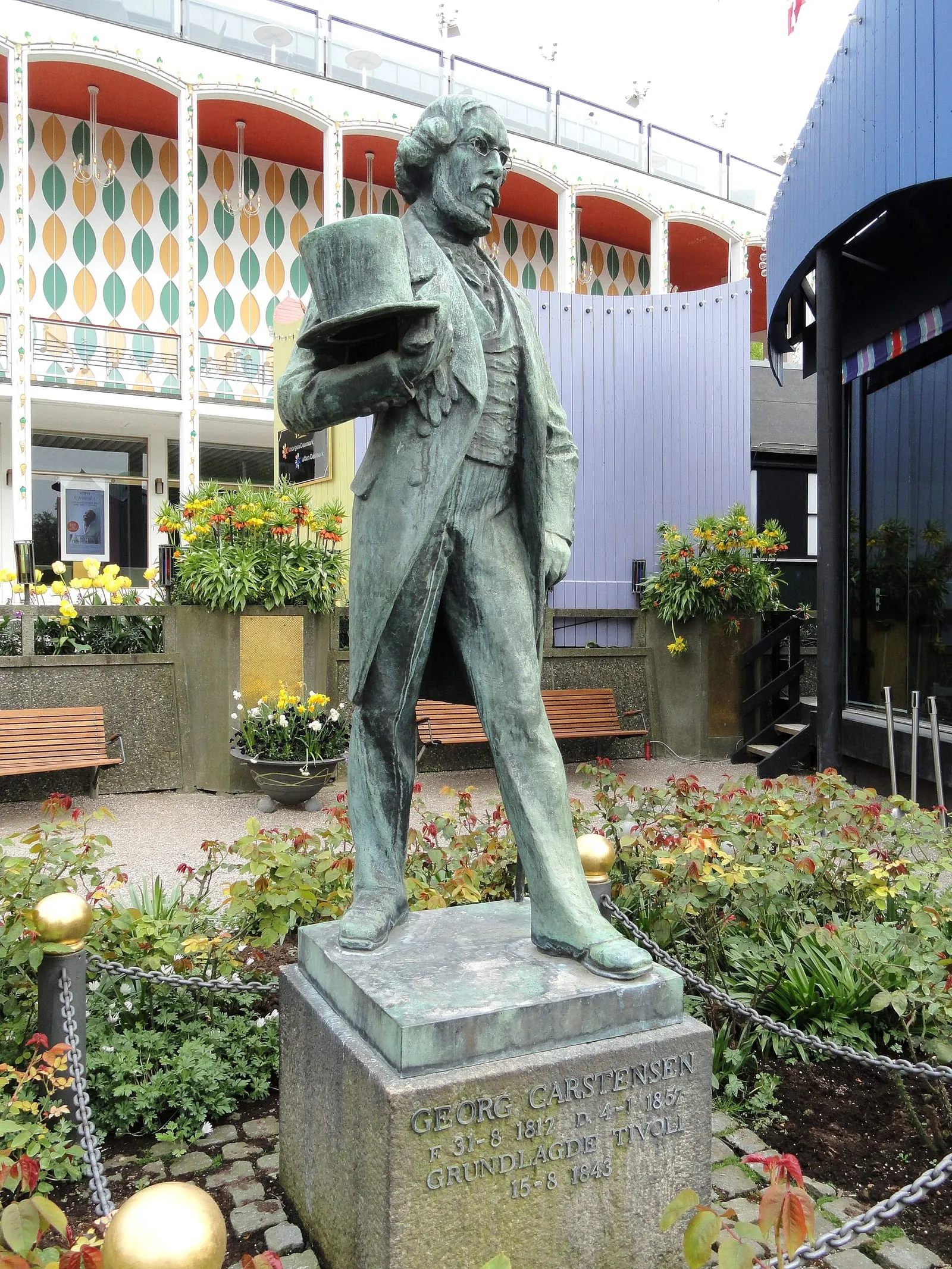 Accessible
 Step-free at both main entrances with free loan wheelchairs and charging for electric chairs — but many rides cannot take a wheelchair user.
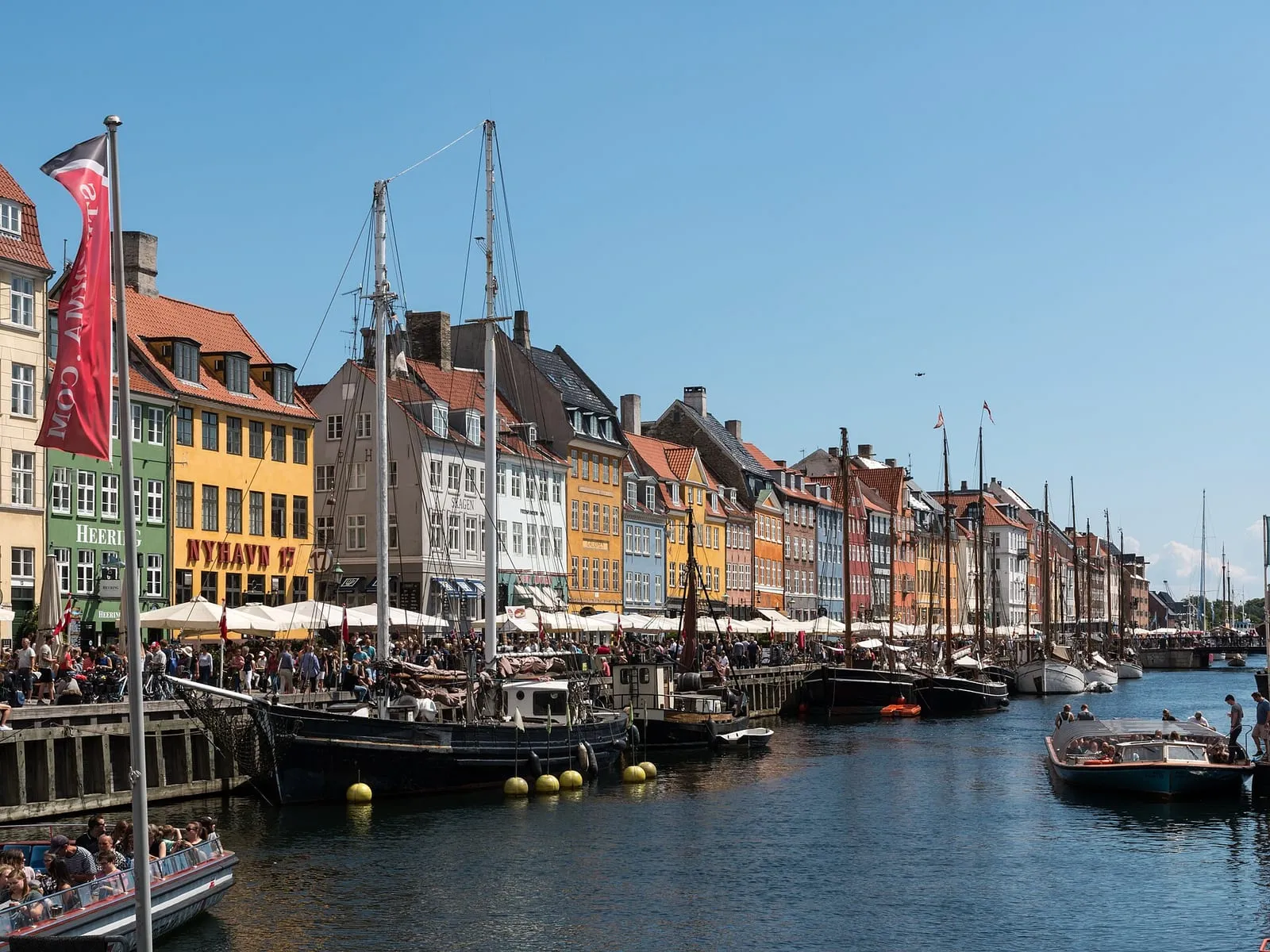 Accessible
 A level waterfront 200 m from a fully step-free metro station, with cobbled stretches and canal boats whose access varies by operator.
Getting around: built accessible from the start
The Copenhagen Metro is the model everyone else is retrofitting toward. Every one of its 39 stations has a lift, platform screen doors align with the train doors, and boarding is genuinely level rather than nearly level — no ramp, no staff, no gap worth measuring. The trains are driverless and run every few minutes, so a missed one costs almost nothing.
S-tog suburban trains are step-free at every Copenhagen station, with a designated wheelchair carriage marked on the platform; the step at the door is small but present, and the flip-out ramp is passenger-operated. Buses are entirely low-floor with driver-deployed ramps, and the harbour buses on routes 991 and 992 are wheelchair accessible — a genuinely pleasant way to cover the waterfront for the price of a bus ticket.
Accessible taxis are available and can be booked through the main operators with modest notice. Because the city is flat and the metro is universal, most visitors find they need one rarely.
Attractions: strong, with honest limits
Tivoli Gardens illustrates how a good venue handles a hard problem. Both main entrances are step free, wheelchairs are lent free of charge from the Service Centre if you ring ahead, electric chairs can be recharged on site, and accessible toilets are spread across the gardens. The rides are a different matter: staff are not permitted to lift, and any guest must be able to leave a ride unaided or with their own companion in an evacuation.
The museums are consistently good. The SMK national gallery, the Designmuseum and the Glyptotek all offer step-free entrances and lifts, and Danish institutions tend to publish accessibility detail rather than a generic statement. Free or reduced companion admission is widespread, though the specifics vary venue by venue.
Nyhavn is the picture-postcard stop and is level end to end, but the quayside surface mixes smooth paving with genuine cobbles, and the canal boats that leave from here vary: some operators can take a wheelchair with staff help and a ramp on specific departures, others cannot. Ask at the kiosk rather than booking online blind.
Fares, passes and assistance
Published by the operator. Concession rules change, so check before you buy.
- Disabled concession
- Handicap fare (DOT - Din Offentlige Transport)
- Child's fare on a single ticket; discounted 'handicap' customer type on a travel card
- Available to visitors
DOT publishes that a person with a disability can travel on a single ticket at the child's fare, or use a travel card registered with the 'handicap' customer type at a discounted rate. DOT's page states no residency condition for the child-fare single ticket; the registered travel card does require an application, so check DOT's page for the documentation needed.
- Companion travel
- Companion pays normal fare
DOT publishes that you can bring a companion with you on a child's fare - a reduced fare, not free travel.
Good to know
- The Copenhagen Metro is driverless, with flex areas containing folding seats that wheelchairs share with prams, bicycles, scooters and large luggage.
- Metroselskabet publishes live lift and operating status alongside planned changes - check it, because a single lift outage removes step-free access to that station.
Sources: DOT (Din Offentlige Transport) - Disabled people: how to travel (retrieved August 10, 2026) · Copenhagen Metro - Status and planned changes (retrieved August 10, 2026) · Copenhagen Metro - About the Copenhagen Metro: policies and accessibility (retrieved August 10, 2026)
Accessibility in Copenhagen: common questions
Is the Copenhagen Metro wheelchair accessible?
Completely. All 39 stations have lifts, platform screen doors line up with the train doors, and boarding is level with no ramp and no staff assistance needed. The system was designed accessible rather than adapted, and trains are driverless and frequent, so an aborted boarding costs a couple of minutes.
Is Tivoli Gardens accessible for wheelchair users?
The gardens are. Both main entrances are step-free, wheelchairs can be borrowed free if you ring the Service Centre ahead, electric chairs can be recharged, and accessible toilets are spread across the site. Many rides are not usable: staff cannot lift, and guests must be able to evacuate unaided or with their own companion.
Is Nyhavn wheelchair accessible?
Yes, with a surface caveat. The quayside is level from Kongens Nytorv to the harbour and the metro station 200 m away is step-free. The paving mixes smooth slabs with real cobbles, particularly on the sunny north side, so expect stretches of vibration rather than any barrier.
What should wheelchair users watch out for in Copenhagen?
The bicycles. A raised cycle track usually sits between the pavement and the road, so every crossing means entering a lane of fast, quiet, frequent traffic where cyclists have priority — and two extra kerb transitions. Beyond that, the granite setts in the oldest streets are the only routine obstacle.