Accessible travel in Amsterdam
What accessibility actually looks like across 3 of the most-visited places in Amsterdam — measured against one consistent protocol, so the figures are comparable.
- 3 places profiled attribute by attribute
- 3 with a step-free main entrance
- 2 with recorded lift dimensions
- 2 with an accessible toilet
- Average accessibility score of 90/100
Amsterdam gets two things very right and one thing very wrong. Every metro station is step-free, and the big museums are among the most thoughtfully adapted in Europe — lifts to every floor, loan wheelchairs, quiet rooms, free companion entry. What the city cannot fix easily is its own fabric: cobbled canal streets, humped bridges, and seventeenth-century houses whose front doors sit above a stoop and whose staircases are near-vertical.
Accessible places in Amsterdam
Ranked by accessibility score, which is derived from each recorded profile.
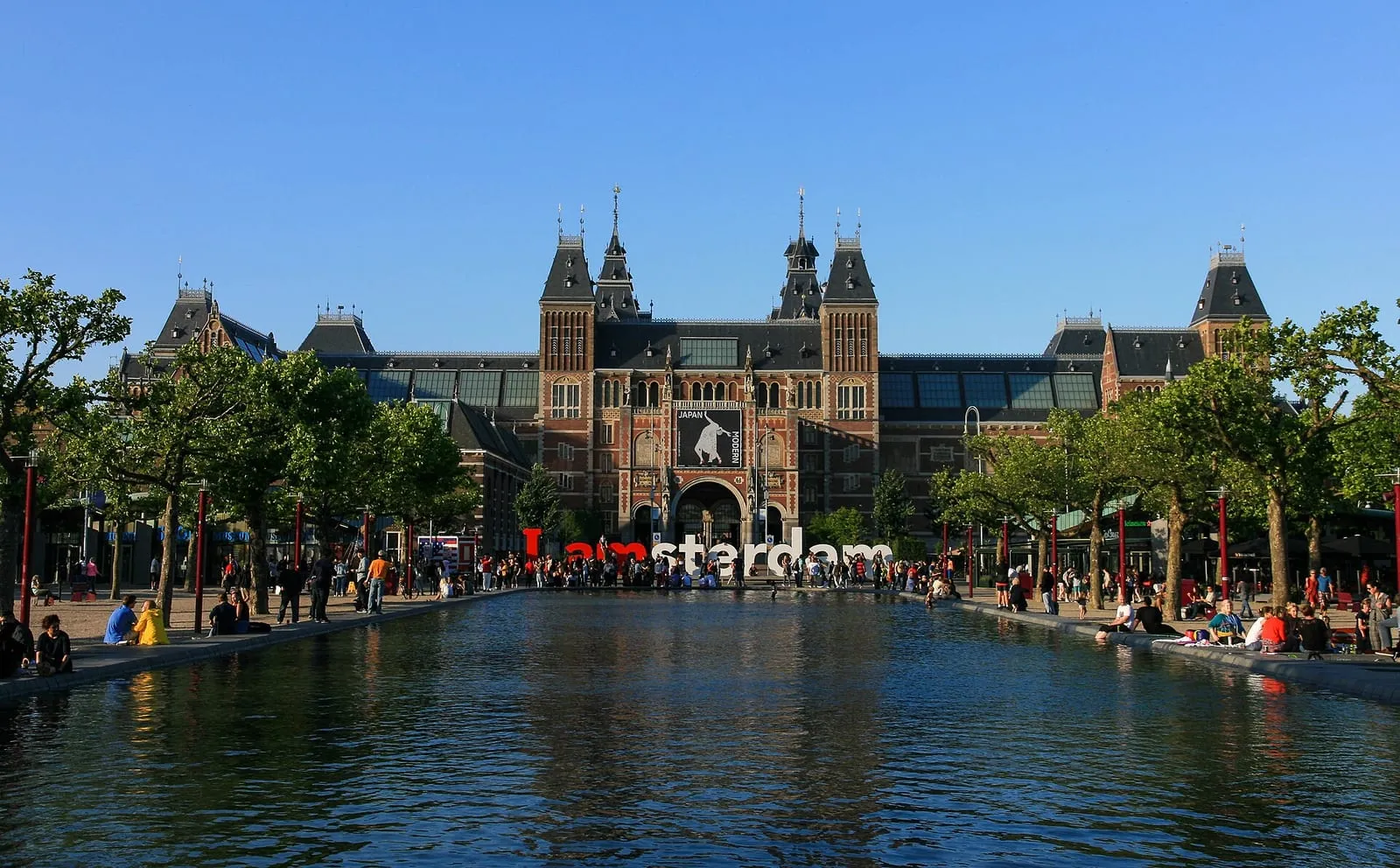 Highly accessible
 Fully navigable by wheelchair or mobility scooter, with lifts to every floor, a hoist-equipped changing room and a quiet room — exceptional by any standard.
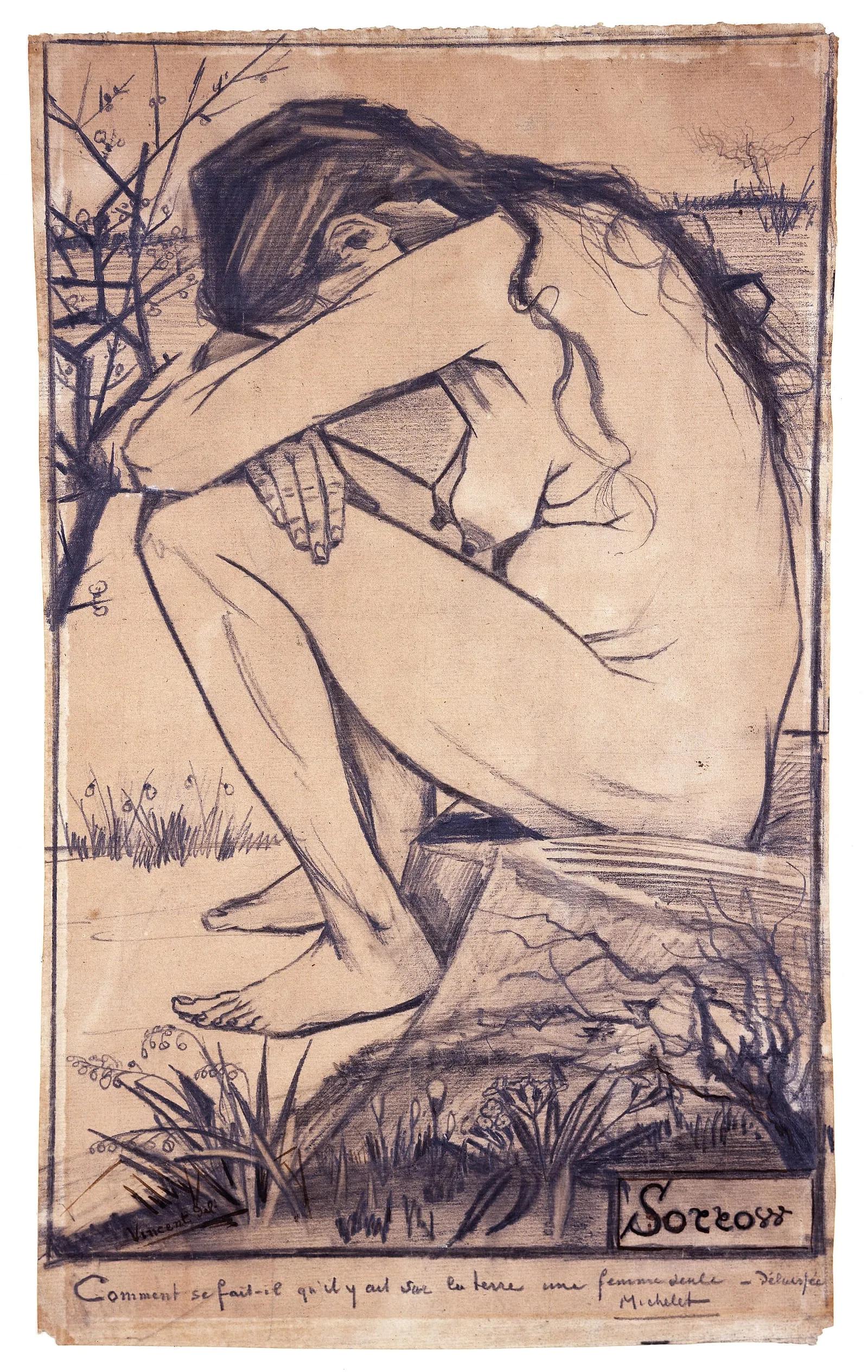 Highly accessible
 Both entrances are level, lifts reach every floor and doorways are threshold-free — with a published loan stock of six wheelchairs and twenty folding chairs.
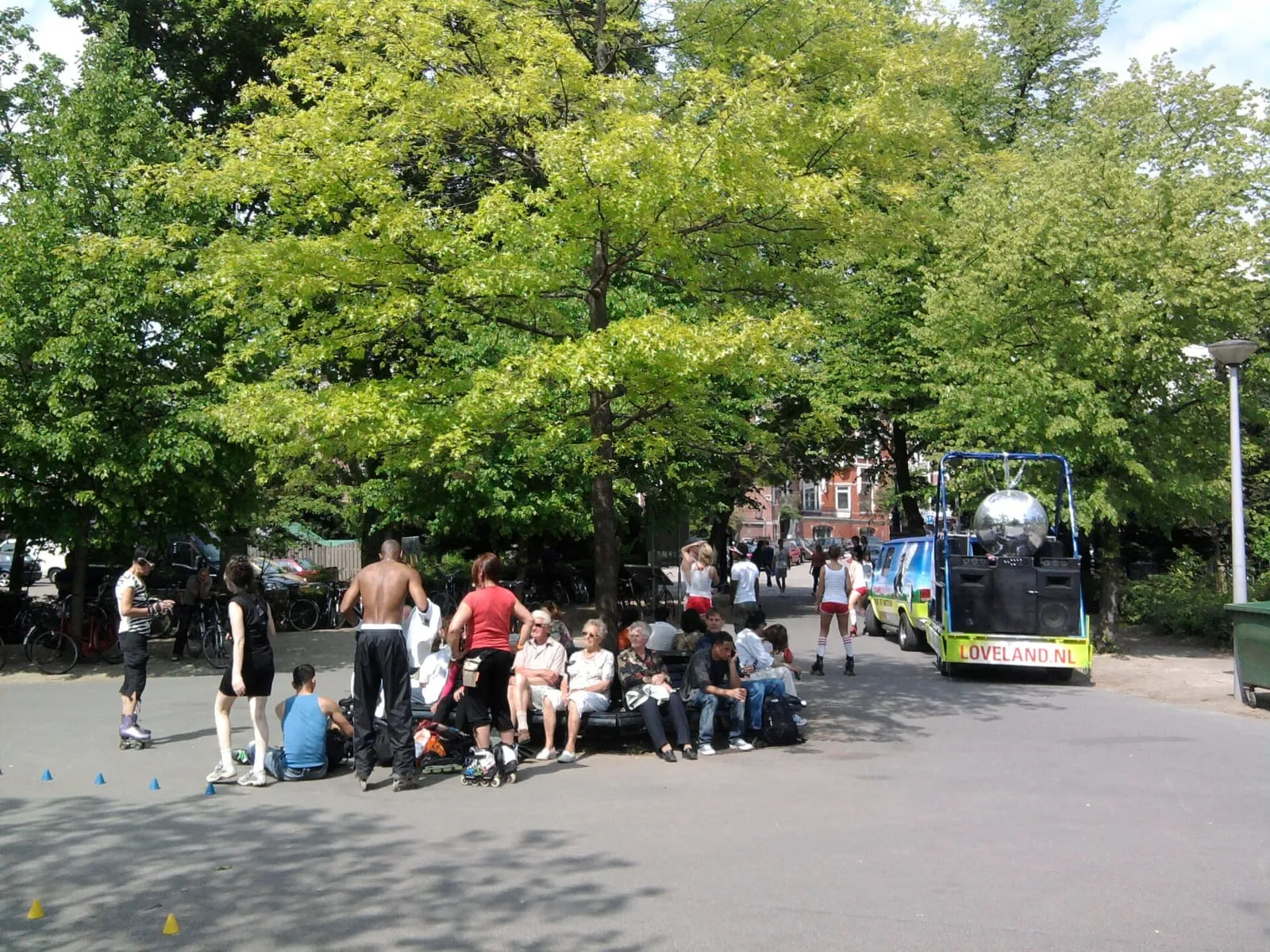 Accessible
 Flat asphalt loops and level entrances make this the smoothest ground in central Amsterdam — the hazard is shared traffic, not the surface.
Museums: among the best in Europe
The Museumkwartier is the strongest cluster in the city. The Rijksmuseum is entirely navigable by wheelchair or mobility scooter, with lifts to every floor and no dividing thresholds; it lends wheelchairs, rollators, canes and folding stools at the information desk, and provides a floorplan marking lifts, seating and accessible toilets. There is a changing room with a mobile hoist, bed and sink — rare provision in a museum of any size.
The Van Gogh Museum matches it. Both the Museumplein and Paulus Potterstraat entrances are accessible, priority entry applies for disabled visitors, doorways are wide and threshold-free, and the loan stock is published down to the item: six wheelchairs, twenty folding chairs, two rollators and two walking canes, all reservable by email in advance. Both museums admit a companion free of charge, and both connect their wings by lift rather than stairs.
Sensory provision is developing fast. The Rijksmuseum marks quieter galleries in green on its plan, keeps a quiet room, and programmes sensory-friendly evenings; its app offers audio tours with visual text for deaf and hard-of-hearing visitors, and touch tours run for blind and partially sighted visitors. Hearing loops, though, are not published at either museum — ask at the desk rather than assume.
Cobbles, bridges and canal houses
The canal belt looks level and mostly is, but the surface is the issue. Streets and quaysides are laid in klinker brick and granite setts that vibrate a manual chair constantly and can grab small front castors, and quayside kerbs are often shallow or absent with the water a metre away. Cycle traffic adds a second layer of attention: bike lanes cross pavements at odd angles and cyclists do not slow down.
Bridges are short, humped and relentless. Individually a canal bridge is a 20–30 m climb at perhaps 5–8%, which almost anyone can manage; a route that crosses eight of them in a kilometre is a different proposition entirely, and it is the cumulative version that wears people out. The fix is to pick a street that runs the length of a canal rather than one that keeps hopping across, even when it looks like the longer way round.
Historic buildings are the hard limit. Canal houses were built with a stoop of two to five steps to the front door and a staircase too steep and narrow to retrofit a lift into, which is why some of the most-recommended small museums and cafes remain out of reach. Vondelpark is the antidote: 47 hectares of flat asphalt loops with level entrances, and the smoothest ground in central Amsterdam.
Practical planning
Book museum entry ahead, always. The Rijksmuseum and Van Gogh Museum both sell timed slots and both regularly sell out days in advance, and the free companion ticket has to be reserved alongside your own rather than picked up at the door. Where loan equipment matters — a wheelchair, a rollator, a folding museum stool — email before you travel, because the stock at each museum runs to a handful of items rather than a store cupboard.
Canal cruises vary enormously by operator and, more importantly, by dock. Some boats board level from a floating pontoon and others need steps down a quayside ladder, and the same operator can differ between its own departure points across the city. Ask which specific dock is step-free rather than whether the company describes itself as accessible, and confirm again on the day, since water level and mooring position both shift.
For accessible taxis, book by phone rather than app, and allow lead time; the wheelchair-accessible share of the fleet is small. If you are staying in the centre, ask a hotel specifically about the number of steps at the street door — ‘ground floor room’ and ‘no steps to the entrance’ are not the same statement in a canal house.
Accessibility in Amsterdam: common questions
Is Amsterdam public transport wheelchair accessible?
The metro is, entirely — every station has lifts and step-free platforms, and line 52 was built to current standards. Trams are low-floor with wheelchair bays and board level at raised-platform stops, with a driver-deployed ramp elsewhere. Use the ‘accessible journey’ filter in GVB’s journey planner to route around the exceptions.
Is the Rijksmuseum wheelchair accessible?
Yes, throughout. Lifts serve every floor, there are no dividing thresholds, and wheelchairs, rollators, canes and folding stools can be borrowed at the information desk. One of the three entrances has a lift and security staff direct you to it. A changing room with a mobile hoist and bed is also available.
Are Amsterdam’s cobbled streets a problem for wheelchair users?
They are the main difficulty. Klinker brick and granite setts across the canal belt produce constant vibration and can catch small castors, and quayside kerbs are often shallow or missing. Frequent humped bridges add short 5–8% climbs. Vondelpark and the Museumkwartier are markedly smoother, with flat asphalt and level entrances.
Do Amsterdam museums offer free entry for a companion?
The two largest do. Both the Rijksmuseum and the Van Gogh Museum admit a companion or carer free alongside a disabled visitor, and the Rijksmuseum asks that the complimentary ticket be reserved in advance rather than claimed at the door. Assistance dogs are welcome at both.