Accessible travel in Copenhagen
What accessibility actually looks like across 2 of the most-visited places in Copenhagen — measured against one consistent protocol, so the figures are comparable.
- 2 places profiled attribute by attribute
- 2 with a step-free main entrance
- 1 with recorded lift dimensions
- 1 with an accessible toilet
- Average accessibility score of 81/100
Copenhagen is the easiest city in this group by a wide margin. The metro was built accessible rather than retrofitted, and all 39 stations are step-free with level boarding onto driverless trains. The city is flat, the pavements are wide, and accessible toilets are common. The remaining friction is small and specific: setts in the oldest streets, and a cycling culture that puts a busy bike lane between you and every crossing.
Accessible places in Copenhagen
Ranked by accessibility score, which is derived from each recorded profile.
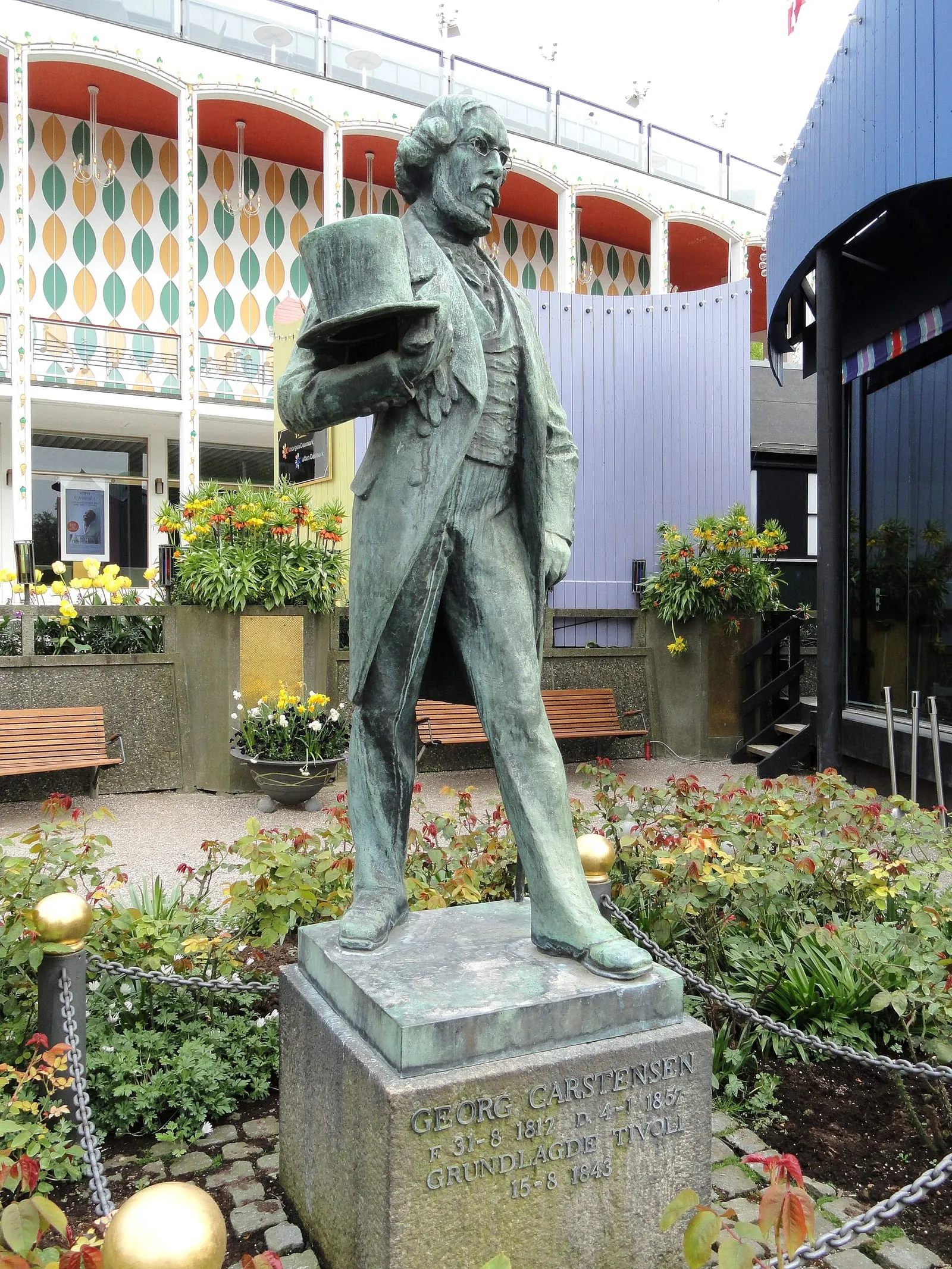 Accessible
 Step-free at both main entrances with free loan wheelchairs and charging for electric chairs — but many rides cannot take a wheelchair user.
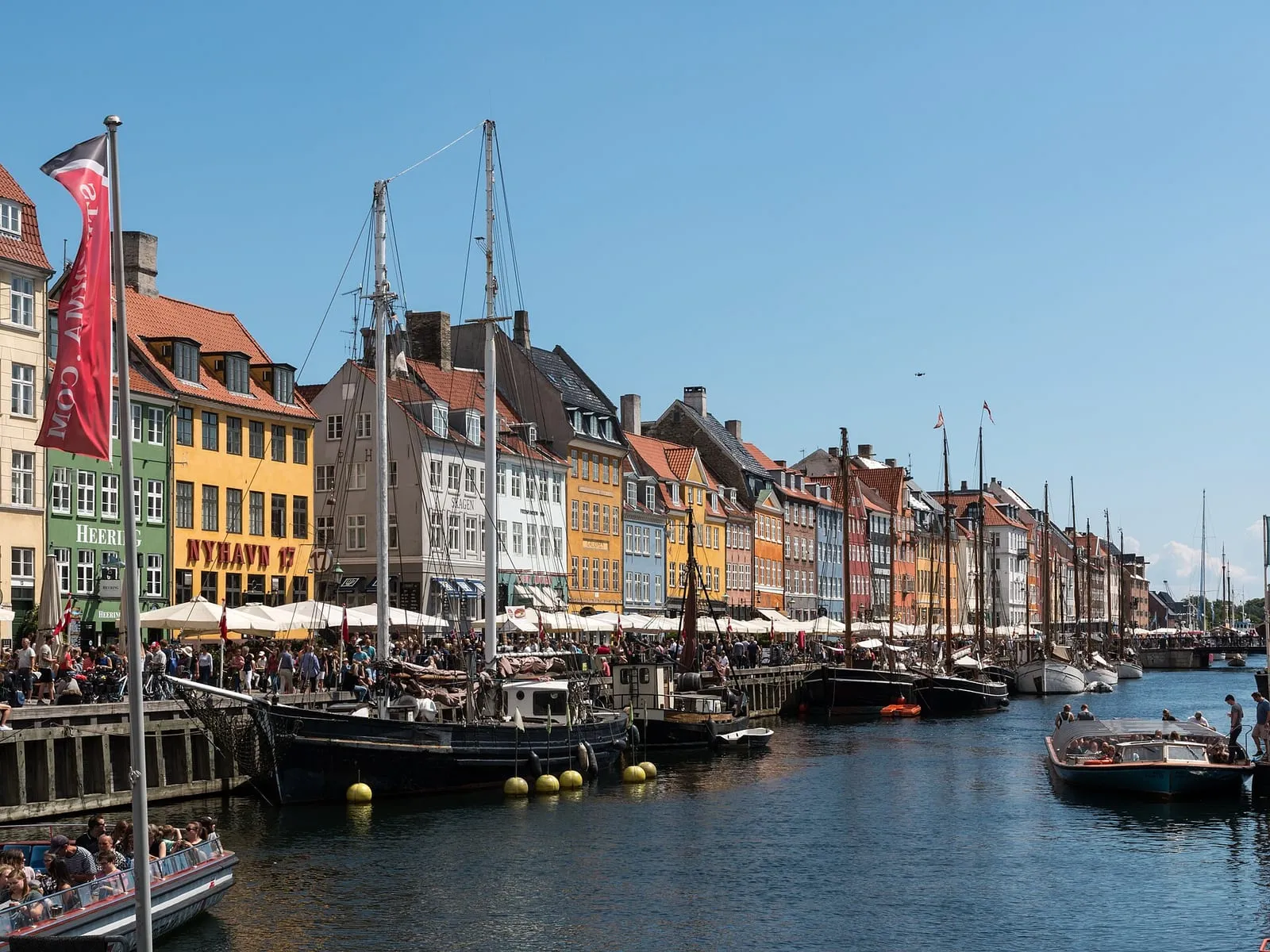 Accessible
 A level waterfront 200 m from a fully step-free metro station, with cobbled stretches and canal boats whose access varies by operator.
Attractions: strong, with honest limits
Tivoli Gardens illustrates how a good venue handles a hard problem. Both main entrances are step free, wheelchairs are lent free of charge from the Service Centre if you ring ahead, electric chairs can be recharged on site, and accessible toilets are spread across the gardens. The rides are a different matter: staff are not permitted to lift, and any guest must be able to leave a ride unaided or with their own companion in an evacuation.
The museums are consistently good. The SMK national gallery, the Designmuseum and the Glyptotek all offer step-free entrances and lifts, and Danish institutions tend to publish accessibility detail rather than a generic statement. Free or reduced companion admission is widespread, though the specifics vary venue by venue.
Nyhavn is the picture-postcard stop and is level end to end, but the quayside surface mixes smooth paving with genuine cobbles, and the canal boats that leave from here vary: some operators can take a wheelchair with staff help and a ramp on specific departures, others cannot. Ask at the kiosk rather than booking online blind.
Streets, surfaces and the bicycles
Copenhagen is flat — the highest point in the municipality is barely above 30 m — and its pavements are wide, well maintained and consistently dropped at crossings. Most of the city rolls as easily as anywhere in Europe. The old streets around Nyhavn, Gråbrødretorv and parts of Indre By keep granite setts, and Strøget mixes smooth slabs with rougher inset panels.
The genuine hazard is the bicycle infrastructure. At most junctions a raised cycle track sits between the pavement and the road, which means every crossing involves entering a lane carrying fast, quiet, frequent traffic. Cyclists have priority and they behave as though they do. Look left twice, and be aware that a cycle lane crossing adds two kerb transitions to every road you cross.
Winter is manageable. The city clears pavements and cycle tracks properly, which is a real advantage over cities that only grit, though the cleared snow gets piled into the kerb cuts.
Practical planning
VisitCopenhagen publishes a substantial accessible-travel guide and a dedicated accessible-transport page, and Danish venues generally list the concrete facts — door widths, lift locations, toilet provision — rather than assurances. That makes remote planning unusually reliable here.
Two small practical points. Accessible public toilets are common and mostly free rather than key-locked, which is a change from Germany and Austria. And Copenhagen is expensive: budget for the occasional taxi and the accessible harbour bus rather than assuming you will walk between everything, since the distances between the metro spine and the waterfront add up over a day.
Accessibility in Copenhagen: common questions
Is the Copenhagen Metro wheelchair accessible?
Completely. All 39 stations have lifts, platform screen doors line up with the train doors, and boarding is level with no ramp and no staff assistance needed. The system was designed accessible rather than adapted, and trains are driverless and frequent, so an aborted boarding costs a couple of minutes.
Is Tivoli Gardens accessible for wheelchair users?
The gardens are. Both main entrances are step-free, wheelchairs can be borrowed free if you ring the Service Centre ahead, electric chairs can be recharged, and accessible toilets are spread across the site. Many rides are not usable: staff cannot lift, and guests must be able to evacuate unaided or with their own companion.
Is Nyhavn wheelchair accessible?
Yes, with a surface caveat. The quayside is level from Kongens Nytorv to the harbour and the metro station 200 m away is step-free. The paving mixes smooth slabs with real cobbles, particularly on the sunny north side, so expect stretches of vibration rather than any barrier.
What should wheelchair users watch out for in Copenhagen?
The bicycles. A raised cycle track usually sits between the pavement and the road, so every crossing means entering a lane of fast, quiet, frequent traffic where cyclists have priority — and two extra kerb transitions. Beyond that, the granite setts in the oldest streets are the only routine obstacle.