Accessible travel in Hong Kong
What accessibility actually looks like across 2 of the most-visited places in Hong Kong — measured against one consistent protocol, so the figures are comparable.
- 2 places profiled attribute by attribute
- 2 with a step-free main entrance
- 2 with recorded lift dimensions
- 2 with an accessible toilet
- Average accessibility score of 92/100
Hong Kong holds two truths at once. The MTR is step-free at all 98 of its stations, with lifts, tactile guide paths and braille as standard, so the underground city is close to seamless. Above it sits a place built on the side of a mountain, where a 200 m journey can involve a 60 m climb, stairs cut into hillsides and pedestrian bridges reached by escalator only. The plan you make determines the day you have.
Accessible places in Hong Kong
Ranked by accessibility score, which is derived from each recorded profile.
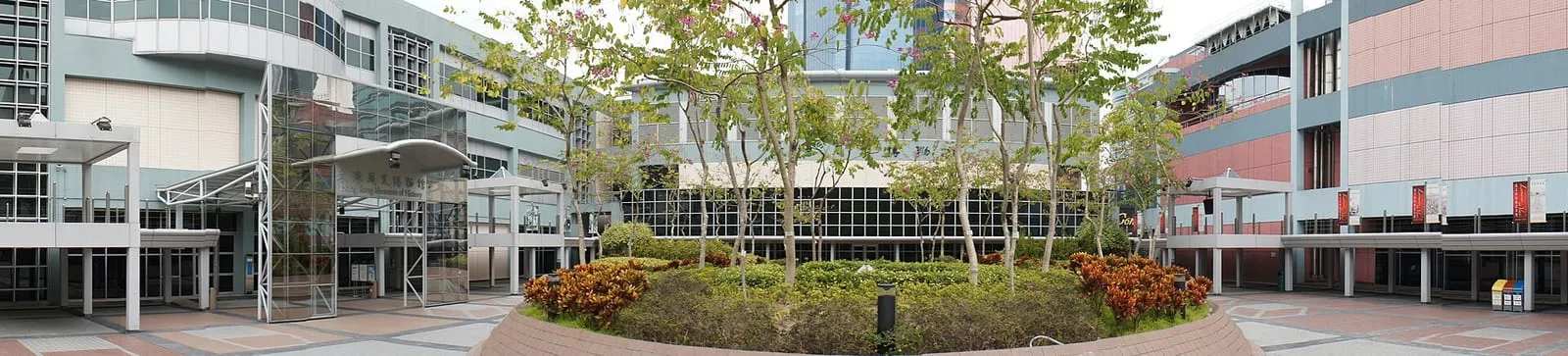 Highly accessible
 Free entry, automatic doors at both lobbies, lifts to the galleries and braille lift buttons — with the revamped "Hong Kong Story" reopened in April 2026.
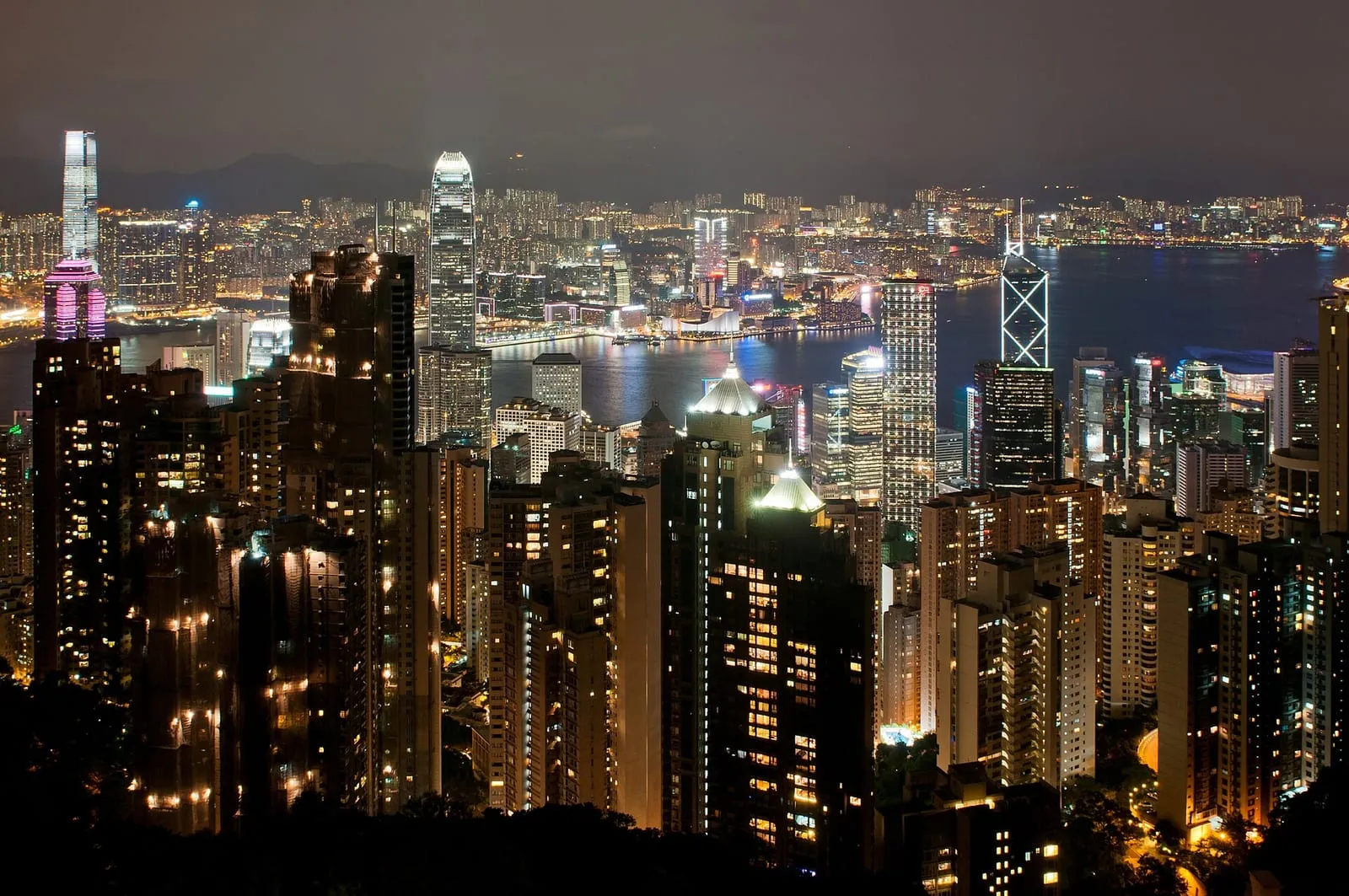 Accessible
 Step-free by bus 15 from Central and fully lift-served once you arrive — but the Peak Tram takes only manual chairs under about 61 cm wide.
Museums and landmarks
Government museums are reliably good, because the Leisure and Cultural Services Department applies one barrier-free standard across the estate. The Hong Kong Museum of History has automatic doors at both lobby entrances, passenger lifts serving the exhibition galleries, lift buttons with braille and audible signals, lowered box office and resource centre counters, an induction loop at the resource centre, and accessible toilets on both lobby levels. Its revamped "Hong Kong Story" permanent exhibition reopened on 1 April 2026 after nearly five years closed.
The Peak Tower and Sky Terrace 428 are fully served by lifts, with accessible toilets, so the viewpoint itself is straightforward once you are up there. The West Kowloon cultural district, including M+ and the Hong Kong Palace Museum, was built recently to a high standard and is reached step-free from Austin and Kowloon stations.
Free or discounted admission for a disabled visitor and a companion is normal at government venues. Sensory provision, by contrast, lags behind physical access: quiet hours, sensory maps and low-stimulus rooms are still uncommon, and audio description is offered occasionally rather than routinely.
Hills, stairs and the vertical street
Hong Kong Island rises steeply from the harbour, and the gradients are not gentle. Streets in Central, Sheung Wan and Mid-Levels regularly exceed 10%, some are effectively stepped staircases with a street name, and pavements narrow to under 100 cm past shop displays and scaffolding. A powerchair with good torque handles it; a manual chair without assistance often does not.
The compensating structure is the elevated walkway network. Central and Admiralty are threaded with covered footbridges linking towers and stations, many with lifts, and moving through the first-floor level of the city avoids both traffic and some of the climb. The system is not fully mapped for access, though, and finding a bridge whose lift is on your side of the road is genuinely trial and error.
Kowloon is flatter and easier. Tsim Sha Tsui, Jordan and Mong Kok sit on level reclaimed land with wide pavements, dropped kerbs and long sheltered arcades, and the Tsim Sha Tsui waterfront promenade is smooth, level and continuous for well over a kilometre.
Practical planning
Split the city by terrain rather than by sight. Give flat Kowloon days to walking and rolling, and reach anything on the Island's slopes by MTR or bus to a point above your destination, then travel downhill. Going down a 10% gradient is a manageable choice; going up it usually is not.
The Hong Kong Federation of Handicapped Youth publishes detailed barrier-free itineraries with measurements and photographs for major tourist areas, and the MTR publishes station-level barrier-free facility pages showing which exits hold lifts. Both are more useful than any general guide.
Weather shapes the calendar. Typhoon season runs roughly July to September, and when a signal 8 is raised public transport shuts down with a few hours' notice — a serious problem if you depend on the MTR. Summer humidity above 85% also makes long outdoor stretches punishing.
Accessibility in Hong Kong: common questions
Is the Hong Kong MTR wheelchair accessible?
Yes, across the whole network. MTR Corporation reports barrier-free access at all 98 stations, with lifts from street to platform, wide gates, tactile guide paths, braille lift buttons and audible announcements, and staff assistance on request. It is the most reliable way to move around the city, and generally faster than road transport.
Can wheelchair users take the Peak Tram in Hong Kong?
With limits. The sixth-generation tram removed the step between platform and car and added vertical lifting platforms at both termini, and the cars have marked spaces with safety belts. But the operator states the tram takes manual wheelchairs under about 61 cm wide, so larger chairs and most powerchairs cannot board. Bus 15 from Central is the step-free alternative.
Are Hong Kong taxis and trams accessible?
No. Standard taxis are saloon cars with no ramp, and the Hong Kong Island trams load through a turnstile and up steps. Rehabus, run by the Hong Kong Society for Rehabilitation, is the accessible door-to-door option and requires advance booking. Franchised low-floor buses with ramps are the practical everyday alternative.
How steep are Hong Kong streets for wheelchair users?
Steep enough to change your plans. Gradients over 10% are common in Central, Sheung Wan and Mid-Levels, and some streets are effectively staircases. Kowloon is flat and much easier. The workable tactic on the Island is to ride the MTR or a bus uphill past your destination and travel down rather than up.