Accessible travel in Singapore
What accessibility actually looks like across 2 of the most-visited places in Singapore — measured against one consistent protocol, so the figures are comparable.
- 2 places profiled attribute by attribute
- 2 with a step-free main entrance
- 2 with recorded lift dimensions
- 2 with an accessible toilet
- Average accessibility score of 97/100
Singapore is the easiest major city in Asia to travel in with a mobility impairment, and one of the easiest anywhere. Every MRT station has a barrier-free route, every public bus is wheelchair accessible, and 98% of bus stops are barrier-free. The built environment was retrofitted deliberately over two decades under a national accessibility code, so lifts, ramps and tactile guidance are the default rather than a concession. Heat, not architecture, is the real planning constraint.
Accessible places in Singapore
Ranked by accessibility score, which is derived from each recorded profile.
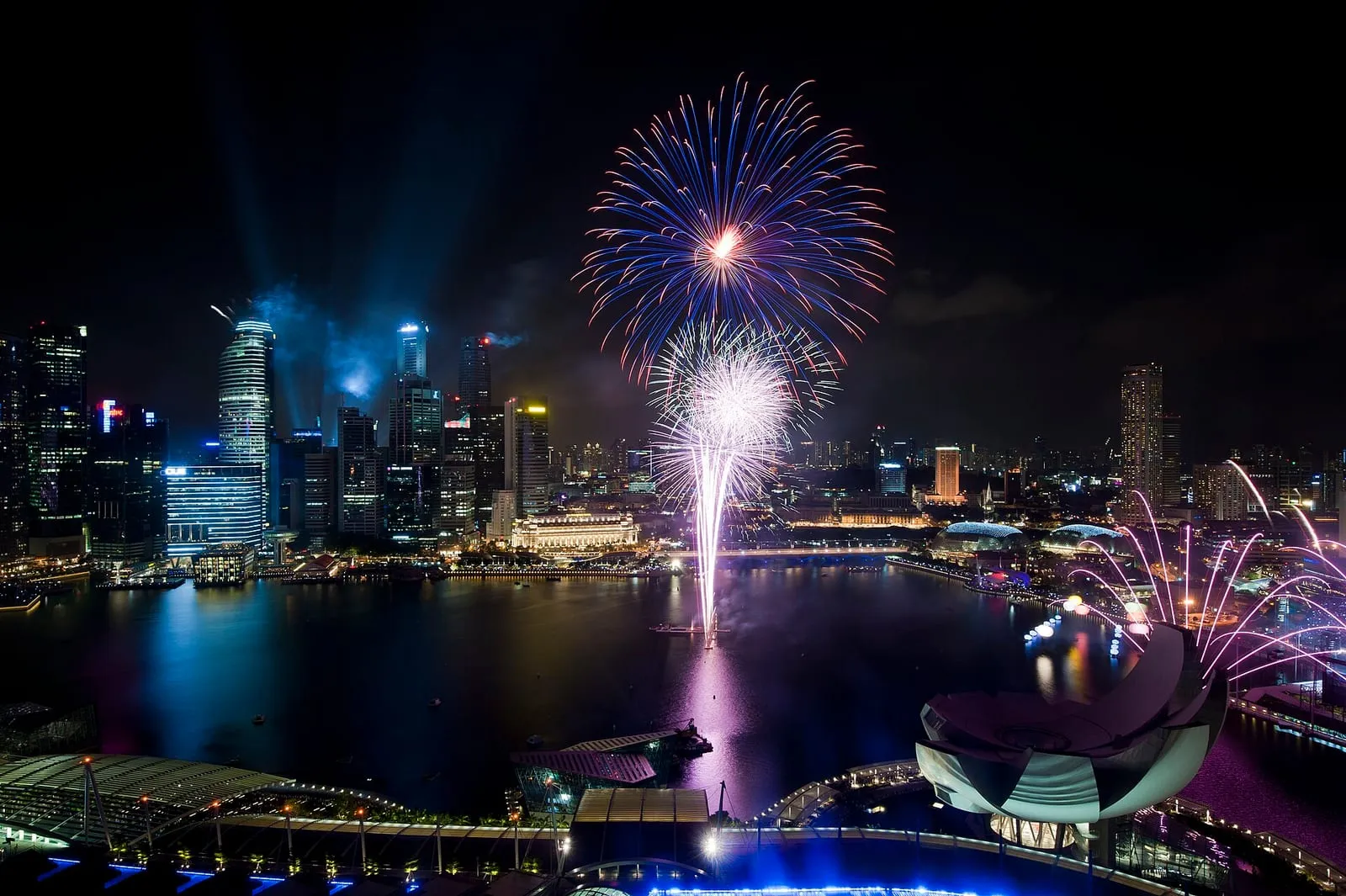 Highly accessible
 Every exhibition space is wheelchair accessible, free wheelchairs at three counters, free entry for a disabled visitor plus caregiver, and per-exhibition access advisories.
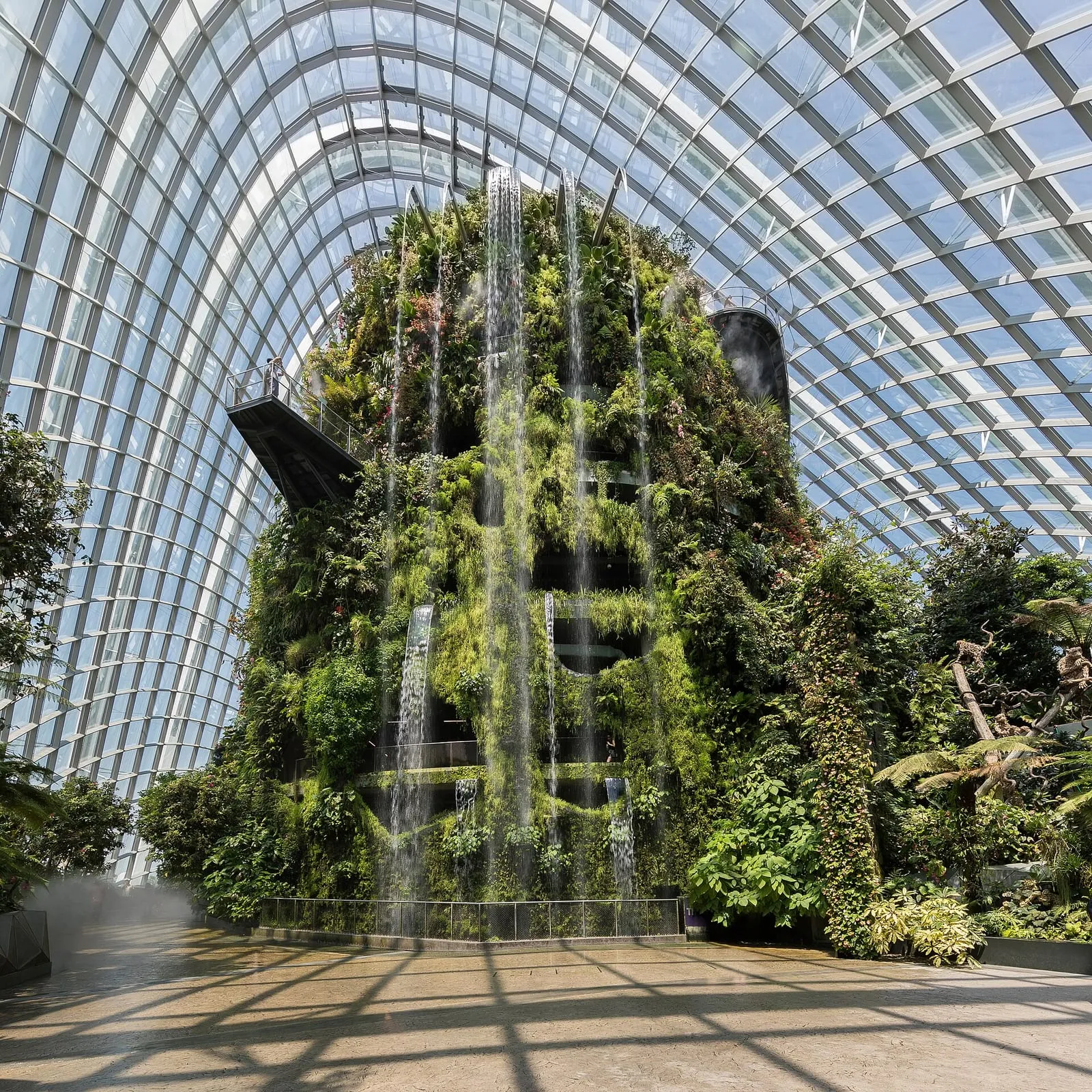 Highly accessible
 A 2012 waterfront garden with smooth 3 m paths, lifts to every level of the Cloud Forest and S$2 wheelchair hire — the constraints are heat and shuttle chair dimensions.
Museums, gardens and attractions
National Gallery Singapore is the benchmark. Every exhibition space is wheelchair accessible, motorised wheelchairs are permitted in the galleries, wheelchairs are loaned free at three visitor services counters, and admission is free for a visitor with a disability plus one caregiver. The Gallery also publishes per-exhibition access advisories covering lighting levels, sound and floor surfaces, which is a level of detail most museums anywhere do not attempt.
Gardens by the Bay was built in 2012 to modern standards: wide smooth paved paths, lifts to every level of the Cloud Forest, gentle grades inside the Flower Dome, and wheelchair hire for S$2 a day at three counters. The Bayfront shuttle takes wheelchair users free of charge, though only foldable manual or lightweight powered chairs up to 1.2 × 0.7 × 1.5 m.
Sensory provision is patchier than physical access. Several national museums run quiet sessions and publish social stories, but this is venue by venue rather than city-wide, and outdoor attractions rarely offer a sensory map or a designated low-stimulus space. Check the specific venue rather than assuming the standard holds.
Heat, shelter and surfaces
Singapore sits within 140 km of the equator. Daytime temperatures run 30-33°C with humidity above 80%, and that changes what a "short walk" means: 600 m in open sun is exhausting in a manual chair and dangerous for anyone with a heat-sensitive condition such as MS. Plan around it rather than through it.
The city's answer is shelter, and there is a lot of it. Covered walkways link MRT stations to nearby buildings, malls and hospitals, and sheltered connectors such as the Art Connector on North Bridge Road run continuously from City Hall station to the National Gallery. Chaining air-conditioned malls and covered links together is a legitimate route-planning strategy here, not a compromise.
Surfaces themselves are excellent. Pavements are smooth concrete or paving slabs, well maintained, with dropped kerbs at essentially every crossing and tactile paving on approaches. Sudden heavy rain is the main hazard: afternoon downpours flood kerbside gutters for twenty minutes and make polished mall floors slick.
Practical planning
Accessible hotel rooms are widely available and generally meet international standards, but "accessible" in older Chinatown and Little India shophouse conversions can mean a lift too small for a powerchair. Ask for the lift's internal dimensions and the bathroom door width in centimetres.
Concessions are common but inconsistent. National institutions frequently admit a disabled visitor and one caregiver free; commercial attractions on Sentosa more often give a partial discount. Bring documentation, because most venues ask for it at the counter.
Distances are modest and the MRT is fast, so a realistic day plan is two indoor attractions plus one outdoor stretch scheduled for early morning or after 17:00. That single adjustment does more for a visit here than any amount of equipment.
Accessibility in Singapore: common questions
Is Singapore wheelchair accessible?
More than almost any city in Asia. The Land Transport Authority states that all MRT and LRT stations have barrier-free access routes, all public buses are wheelchair accessible, and 98% of bus stops are barrier-free. Pavements are smooth with near-universal dropped kerbs, and lifts and ramps are standard in public buildings.
Is the Singapore MRT accessible for wheelchair users?
Yes. Every station has a barrier-free route from street to platform via lifts, rubber fillers reduce the platform-to-train gap, and priority queue zones with seating sit beside standard queues. Passenger Service Centres are staffed and will assist. Plan for occasional lift maintenance closures, which are announced on the day.
How do you cope with the heat in Singapore in a wheelchair?
Route through shelter rather than around it. Covered walkways connect MRT stations to nearby buildings, and sheltered links such as the Art Connector reach major venues directly. Schedule outdoor time before 10:00 or after 17:00, carry more water than feels necessary, and treat air-conditioned malls as legitimate parts of a route.
Are Singapore museums free for disabled visitors?
Several national institutions, including National Gallery Singapore, admit a visitor with a disability and one accompanying caregiver free of charge. Commercial attractions more often offer a partial discount instead. Documentation is usually requested at the counter, so carry it rather than relying on an online booking to record the concession.