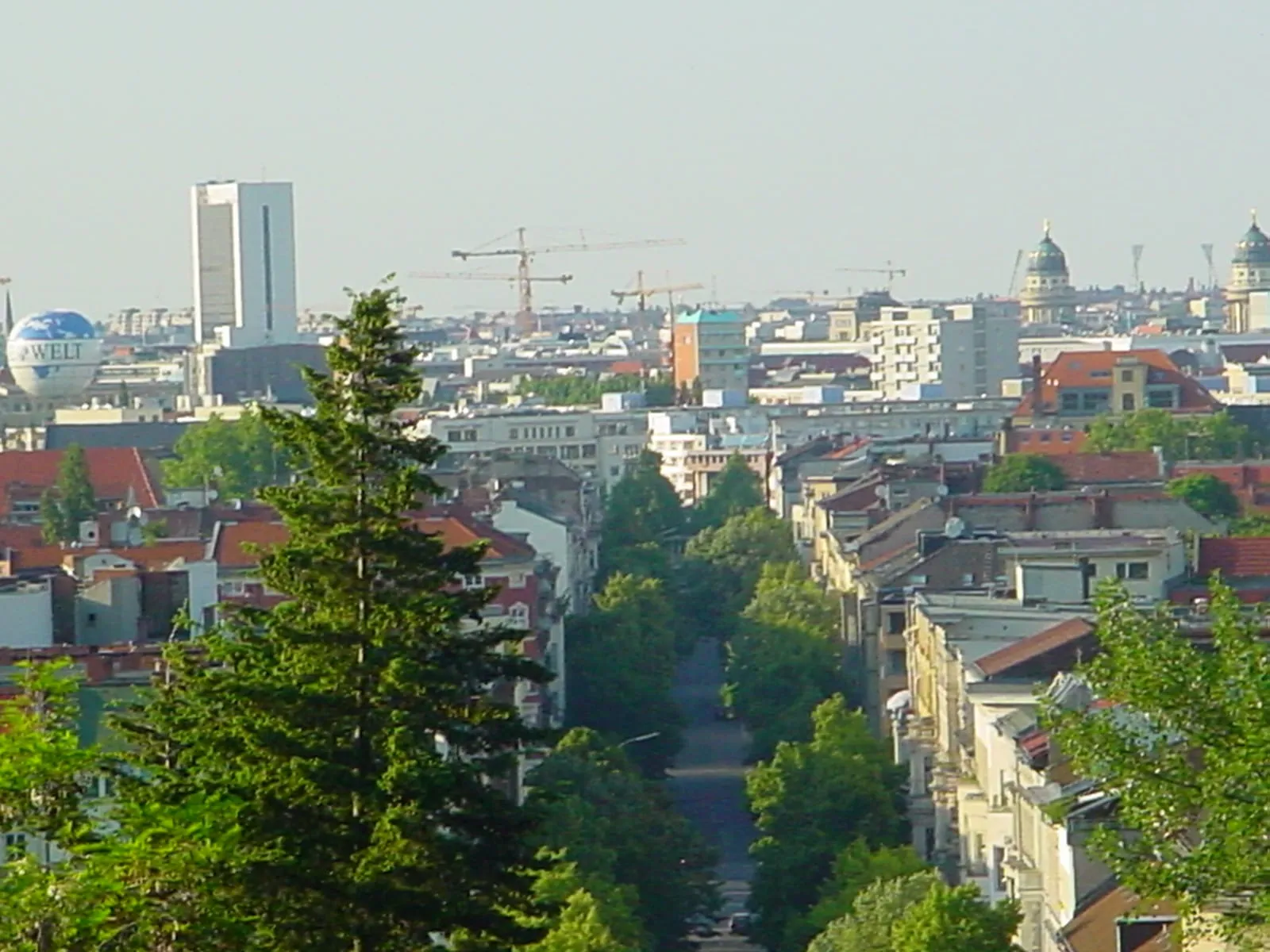
Berlin
Rebuilt wide, mostly step-free, candid about the rest
Berlin was rebuilt twice in one century, and rebuilding turned out to suit wheelchair users. Streets are broad, dropped kerbs are close to universal, and BVG reports roughly 145 of 175 U-Bahn stations reachable by lift or ramp. The problems here are specific rather than structural: a handful of older stations still without lifts, granite setts in the historic pockets, and lift outages announced only on the day they happen.
Accessible places in Berlin
Each profile records door widths, lift dimensions, slopes, surfaces and sensory support — with its sources.
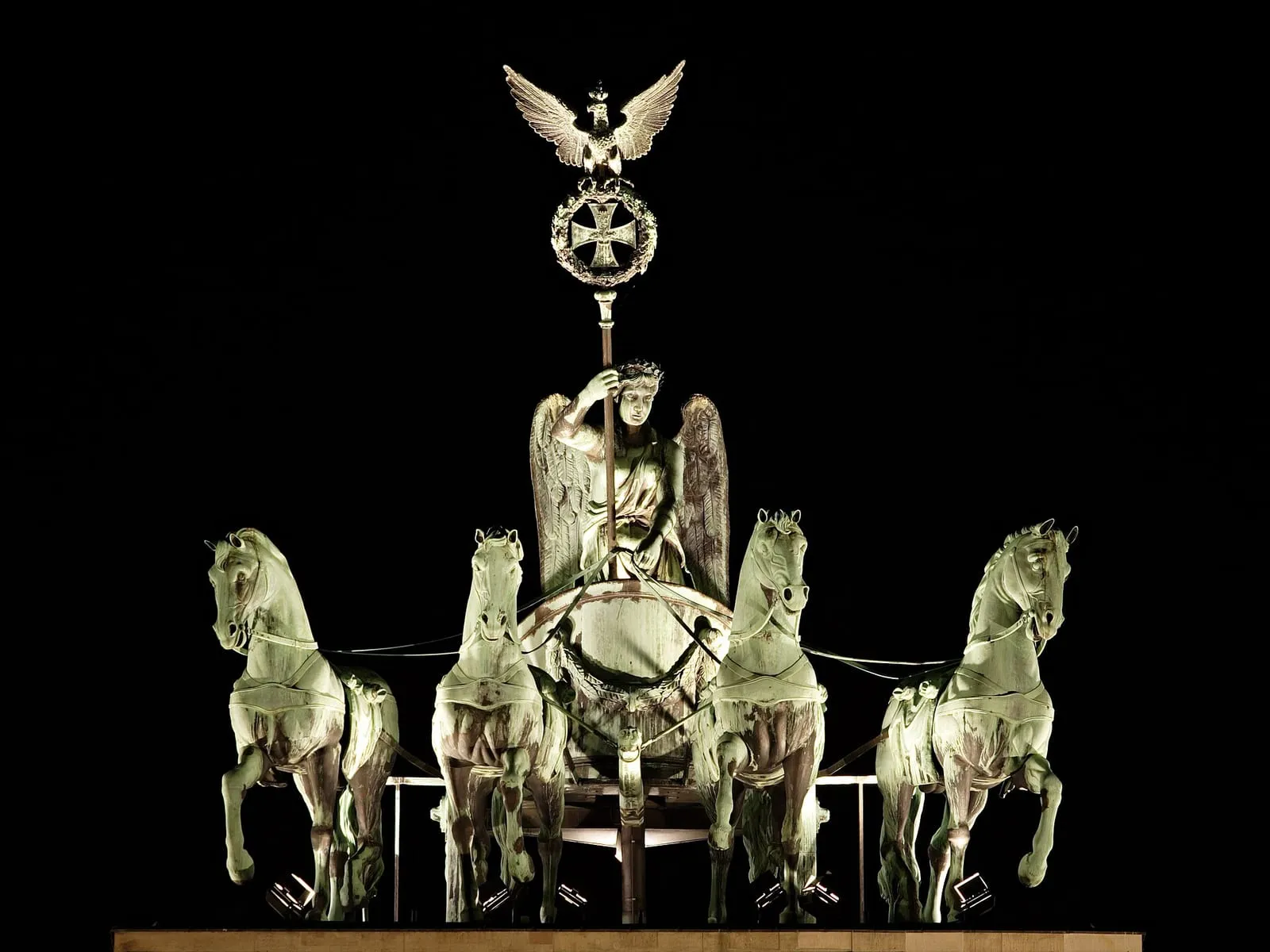 Accessible
 An open, level plaza with no tickets, no doors and no steps — the difficulty is what Pariser Platz lacks rather than what it blocks.
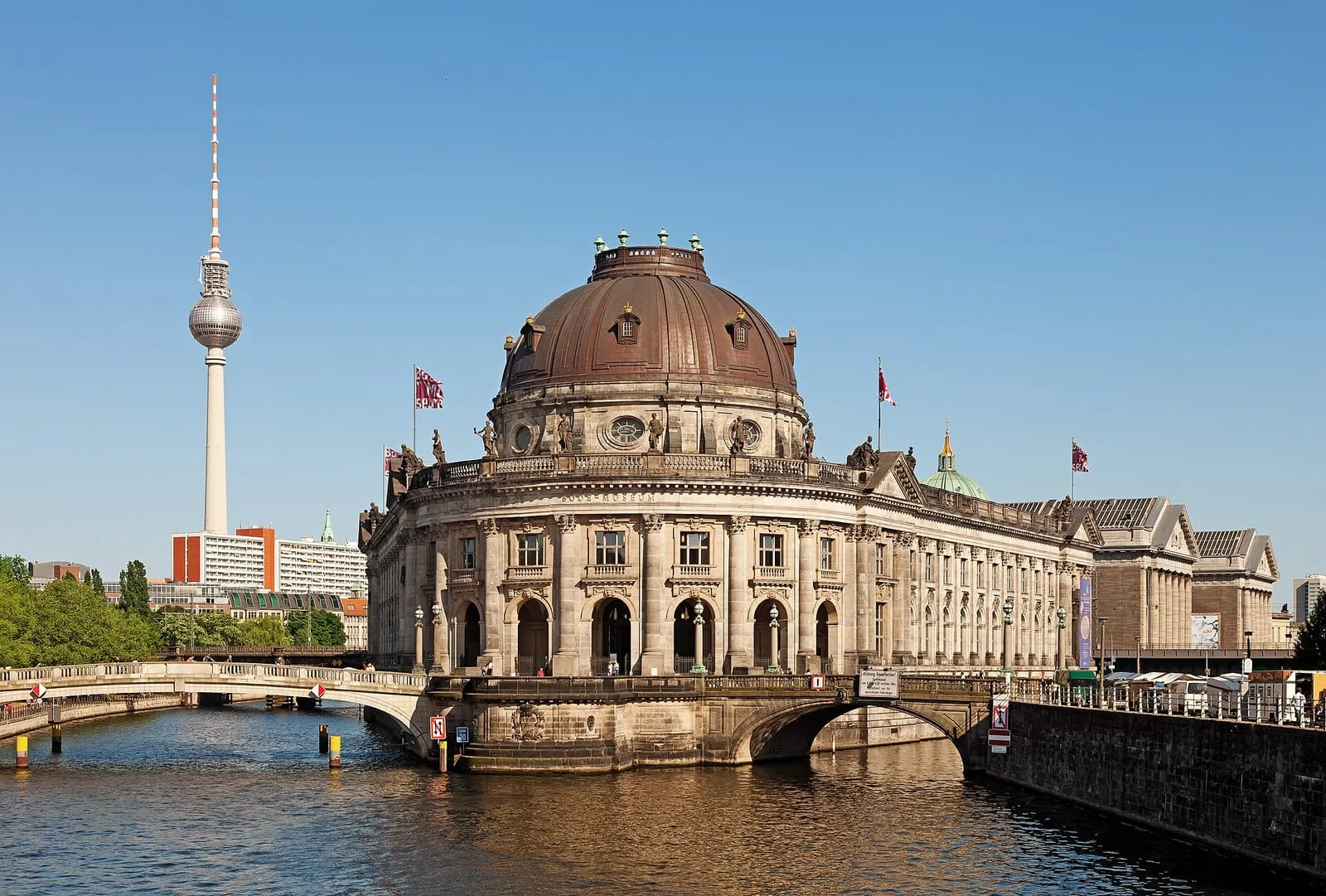 Highly accessible
 A single step-free gateway, generous lifts and free companion entry across five museums — with the Pergamonmuseum closed for refurbishment.
 Accessible
 Free, thoroughly equipped and step-free to the roof — but the dome's internal spiral ramp is long and steep, and registration is compulsory.
Getting around: lifts, ramps and the outage list
BVG publishes accessibility station by station, and the headline figure is genuinely good — around 145 of 175 U-Bahn stations have a lift or a ramp from street to platform. The S-Bahn is better still, with almost every central station step-free. What the numbers hide is the vertical gap at the train door: on older U-Bahn stock it runs 5-15 cm, enough that a small front castor can drop, so ask staff for a boarding ramp rather than attempting it alone.
Trams and buses close most of the remaining gaps. The entire bus fleet is low-floor with a driver-operated ramp, and the tram network in the eastern districts is now almost entirely low-floor. Route 100 and 300 buses pass the Reichstag, the Brandenburg Gate and Museum Island in one run, which makes them the simplest way to string the central sights together without touching a lift.
Accessible taxis are the weak point. Berlin has nothing like London's universally ramped fleet, and wheelchair-accessible vehicles must be booked ahead through a specialist operator. BVG's door-to-door Sonderfahrdienst exists but is reserved for registered residents, so visitors should plan around public transport rather than assume a taxi will be available at short notice.
Museums and landmarks
The Staatliche Museen zu Berlin group runs most of the city's major collections, and its buildings are consistently good. On Museum Island the James-Simon-Galerie acts as a single step-free gateway with lifts down to the Archaeological Promenade, and accessible toilets and cloakrooms sit on the entrance level. One caveat matters for planning: the main Pergamonmuseum building is closed for refurbishment and is not expected to reopen fully before 2027.
The Reichstag is the most-asked-about building in the city and the most conditional. Access is free but requires registration in advance with a name and ID number, entry is through the barrier-free West C door on Platz der Republik, and a lift carries you to the roof terrace. The dome itself is reached by a long internal spiral ramp, and the Bundestag's own advice is to bring a companion.
The memorial sites deserve a note. The Memorial to the Murdered Jews of Europe is an uneven, deliberately destabilising field of paving — hard going in a manual chair — while the information centre beneath it is reached step-free by lift and is fully accessible. Read that as a design decision rather than an oversight, and budget the visit accordingly.
Streets, surfaces and distances
Berlin is flat, which removes the single biggest physical obstacle, and substitutes another: scale. Unter den Linden to Alexanderplatz is about 1.8 km of continuous pavement, and the city's districts are far enough apart that a day of sightseeing on wheels can easily involve 6-8 km. Pace matters more here than gradient.
Where surfaces bite, they bite hard. The Nikolaiviertel, Am Kupfergraben beside Museum Island and pockets of Prenzlauer Berg keep large granite setts that vibrate a manual chair and catch castors. The double row of cobbles marking the line of the Berlin Wall crosses the city centre repeatedly, and while it is only two stones wide it is a jolt every time you meet it.
Winter is the other planning factor. Berlin grits rather than clears, so pavements turn to slush and refreeze at the edges, and construction hoardings — of which there are always many — reroute pedestrians onto temporary surfaces that are rarely as smooth as the ones they replace.
Practical planning
Get a Euro-key before you travel. Many accessible toilets in Germany, including motorway stops, station facilities and some museum WCs, are locked with the standardised Euroschlüssel, and it is far easier to buy one in advance from CBF Darmstadt than to hunt for staff with a key. It is a small piece of hardware that removes a recurring problem.
For long-distance rail, Deutsche Bahn's Mobility Service Centre arranges boarding assistance and prefers requests at least a day ahead, though same-day help is often possible at major stations. Within the city, check BVG's live lift status before setting out; outages are common, published only when they occur, and a failed lift can add a 20-minute detour to an otherwise simple journey.
When to go for easier access
May, June and September are the practical sweet spot: dry enough for smooth rolling, warm enough for the outdoor sights, and quiet enough that lifts and museum ramps are not queued. Avoid the Christmas market weeks if crowds are difficult, since temporary stalls narrow pavements to single file.
Fares, passes and assistance
Published by the operator. Concession rules change, so check before you buy.
- Disabled concession
- Schwerbehindertenausweis with a valid Wertmarke
- Free travel
- Residents only — not available to visitors
Free travel is tied to the German severely-disabled pass (Schwerbehindertenausweis) carrying a valid token (Wertmarke). It is a German state entitlement, not a ticket a visitor can buy.
- Companion travel
- Companion travels free
Holders whose pass carries the "B" mark (Merkzeichen B, permanent need of accompaniment) may take one companion free of charge on the U-Bahn, bus and tram. Mobility aids are also carried free.
- Booking assistance
- Turn up and go
- How to arrange: VBB Bus- und Bahn-Begleitservice (free escort service)
VBB runs a free escort service for passengers who need someone to accompany them on buses and trains across the Berlin/Brandenburg network. Separately, the on-demand BVG Muva service is free for holders of a Schwerbehindertenausweis with a valid Wertmarke.
Good to know
- BVG states that of 175 U-Bahn stations, almost 90% are step-free via a lift or ramp, with 204 working lifts at 143 stations as of 2025.
Sources: BVG - Barrier-free travel (retrieved August 10, 2026) · BVG - Barrierefrei U-Bahn fahren (retrieved August 10, 2026) · VBB - Barrierefrei im VBB fahren (retrieved August 10, 2026)
Accessibility in Berlin: common questions
Is the Berlin U-Bahn wheelchair accessible?
Mostly. BVG reports around 145 of 175 U-Bahn stations reachable by lift or ramp, and almost all central S-Bahn stations are step-free. Expect a 5-15 cm step and gap at the train door on older stock, and ask staff for a boarding ramp. Check the live lift-outage list before travelling.
Do you need to book the Reichstag dome in advance?
Yes. Entry is free but registration is compulsory and must be made before you arrive, with a name and ID number for each visitor. Flag mobility, hearing or vision needs at that point so staff can direct you to the barrier-free West C entrance and arrange the lift to the roof terrace.
Are Berlin streets cobbled?
Only in patches. Most of the city has smooth asphalt pavements with dropped kerbs, but the Nikolaiviertel, Am Kupfergraben by Museum Island and parts of Prenzlauer Berg keep large granite setts. A double row of cobbles marking the Berlin Wall route crosses the centre in many places and is a repeated jolt rather than a barrier.
Do Berlin museums give free entry to a carer?
The Staatliche Museen zu Berlin, which runs Museum Island and most major collections, admits a necessary companion free alongside a visitor with a disability. Bring documentation of the need for assistance. Wheelchairs can be borrowed at several museums, though numbers are limited and the museums ask you to ring ahead.