Rome
Ancient stones, modern lifts, uneven odds
Rome asks more of you than most European capitals, and gives more back. The archaeological sites have installed serious infrastructure — lifts inside the Colosseum, 1.5 km of accessible route through the Forum, eight accessible toilets — while the last 300 m to almost any of them crosses sampietrini, the basalt setts that pave the historic centre. The buses are fully ramped. The metro is a lottery you should check on the day.
Tickets and guided visits in Rome
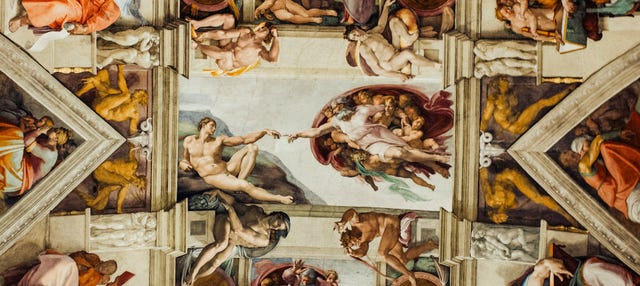 Vatican MuseumsVatican Museums & Sistine Chapel Guided TourFrom €74.25
 ColosseumColosseum, Roman Forum & Palatine Hill TourFrom €47.36
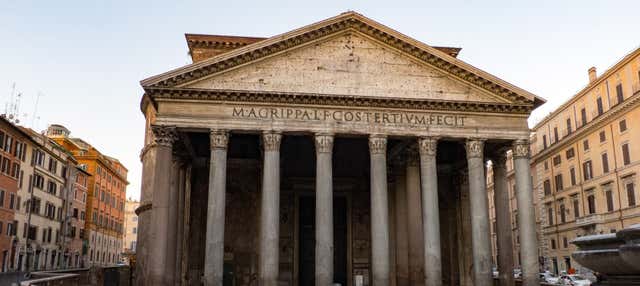 PantheonPantheon Skip The Line TicketFrom €11
Booking is on Civitatis. The accessibility of each activity is set by its operator: check the listing before you book.
Accessible places in Rome
Each profile records door widths, lift dimensions, slopes, surfaces and sensory support — with its sources.
 Accessible
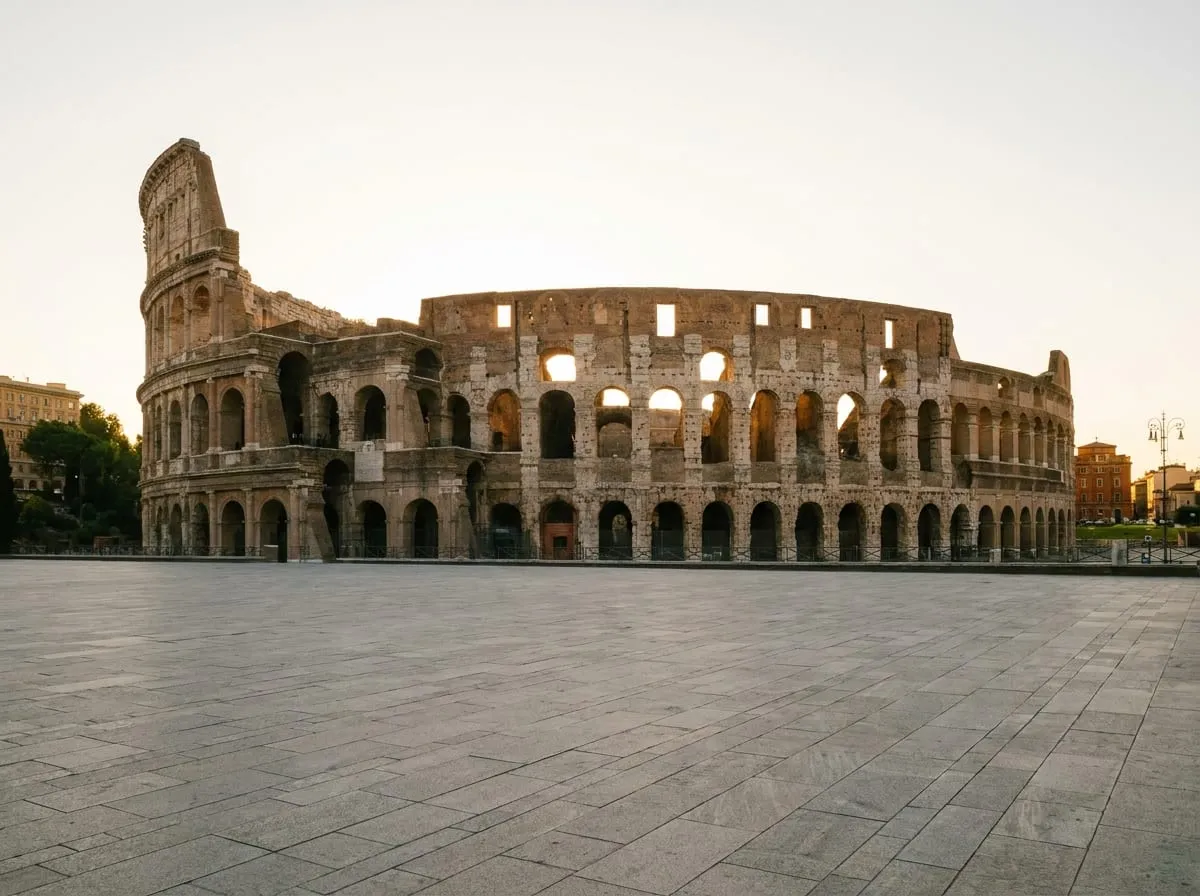
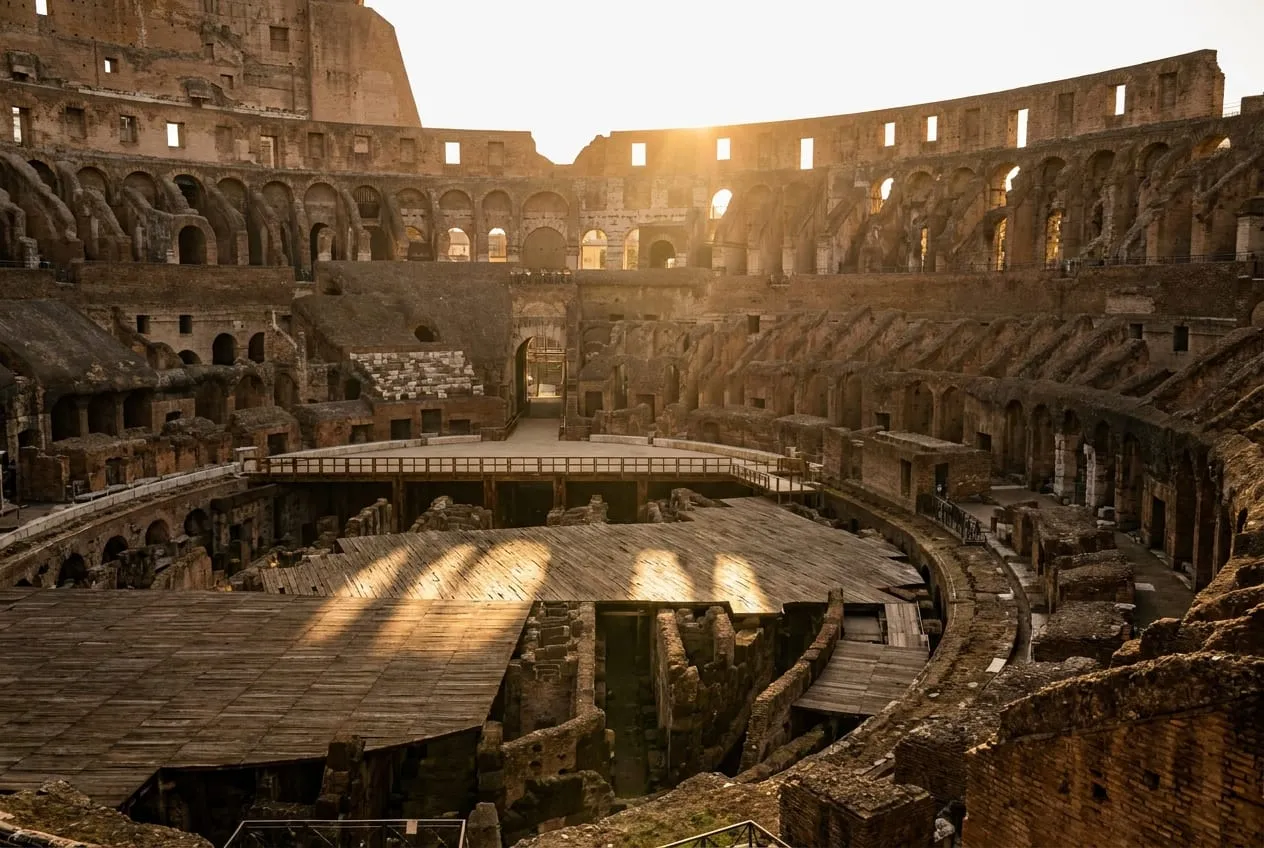
 Three step-free entrances on the north side, a lift covering the whole second tier, and eight accessible toilets across the archaeological park.
 Accessible
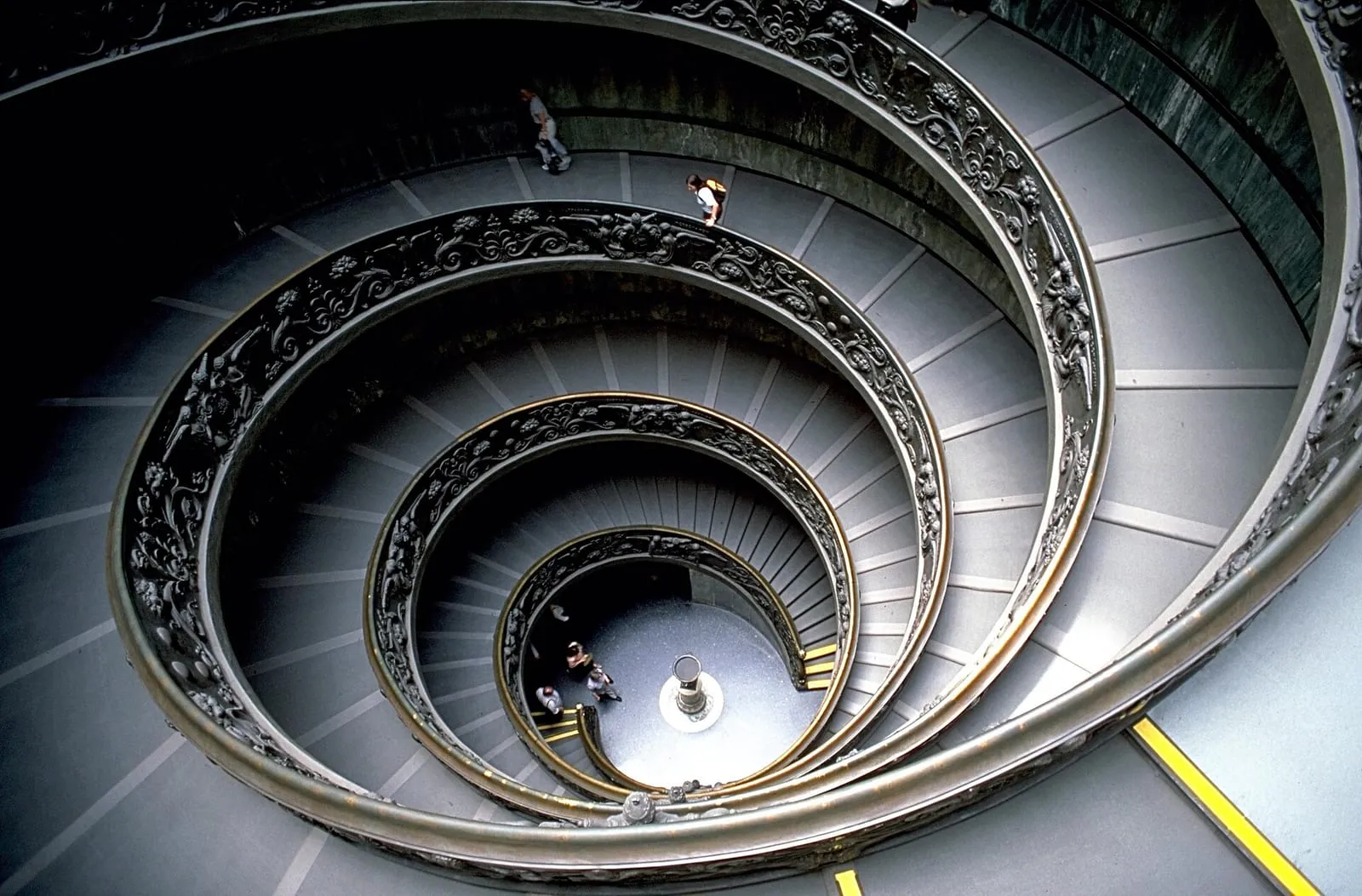
 Free priority entry with certified disability, a published barrier-free itinerary through most galleries and the Sistine Chapel — but the museums' own guided tours exclude wheelchair users.
 Partial
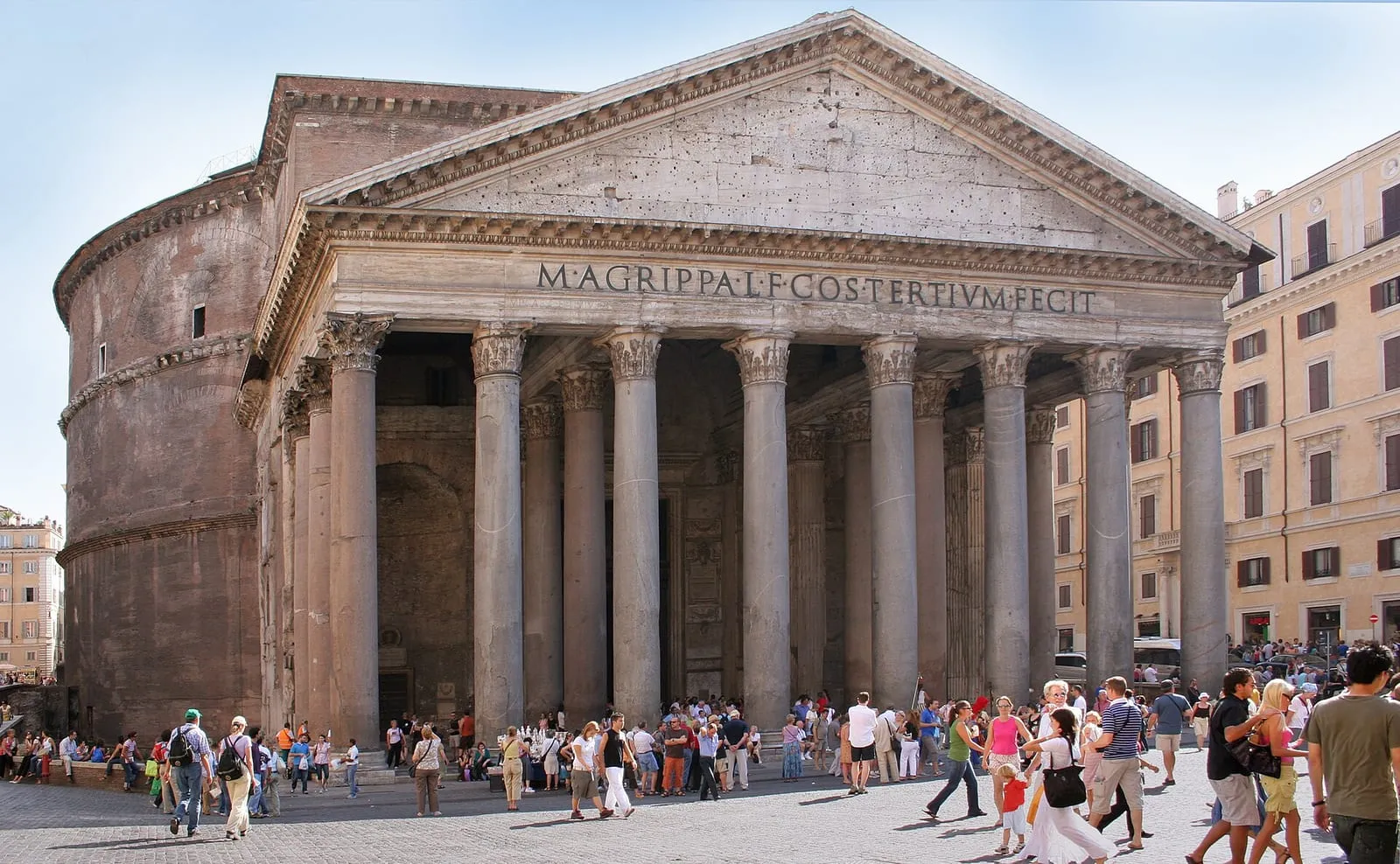
 A level interior under the oculus, entered by an external ramp on the Via della Minerva side, ringed by some of the roughest cobbles in Rome.
 Accessible
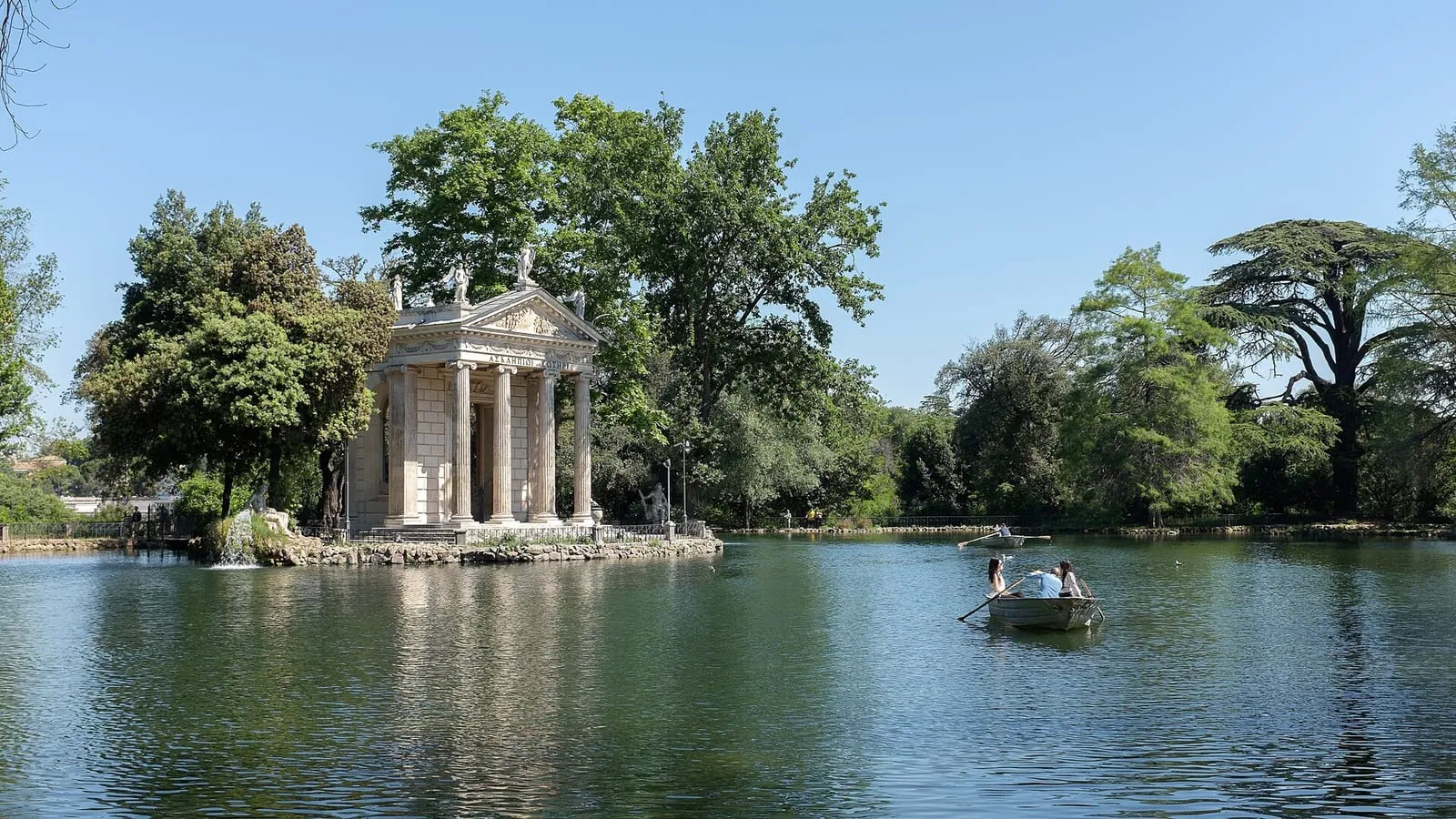
 Wide paved avenues through Rome's best-known park, plus a Galleria whose sculpture floor is step-free from the rear door and whose upper-floor lift cannot take a large wheelchair.
Getting around: ramped buses, unreliable lifts
ATAC states that every station on the three-line, 73-station metro is accessible to passengers with reduced mobility except four on Line A: Spagna, Barberini, Repubblica and Vittorio Emanuele. That sounds better than it feels. A number of the accessible stations rely on servoscala stair lifts rather than proper lifts, those devices can only be used by someone seated in a wheelchair, they need a member of staff present, and their limit of roughly 150-200 kg rules out many larger powerchairs.
The buses are the genuine success. ATAC puts the whole bus fleet at 100% equipped with boarding ramps and a wheelchair space, which makes the surface network the dependable spine of a Rome itinerary. Trams are further behind at around 70% level-floor, with 1940s vehicles still in service on some routes, so a tram stop is worth treating as a maybe rather than a plan.
Book stair-lift assistance on Line A in advance where the service exists, and check the live lift status before you set out — ATAC publishes which equipment is out of service, and outages are common enough that regular users check daily. Adapted taxis exist in small numbers and need pre-booking; for airport runs and cross-city hops, most visitors use a private accessible transfer instead.
Monuments and museums: better than their reputation
The Parco archeologico del Colosseo has done more for access than any comparable ancient site in Europe. All three main park gates are step-free, three entrances on the Colosseum's north side are designated accessible, a lift installed for visitors with mobility impairments covers the entire second tier, a goods lift reaches the underground levels, and a panoramic lift serves the attic. Wheelchairs are lent at the gates, and eight accessible toilets are spread across the site.
The Vatican Museums publish a barrier-free itinerary, lend wheelchairs from the cloakroom, admit visitors with certified disability free with priority entry, and allow electric wheelchairs and scooters through most of the route. The blunt caveat is in their own text: the museums' organised guided tours are not open to visitors in wheelchairs, because the tour itineraries are fixed and include sections the accessible route avoids.
State museums admit a disabled visitor and one companion free, and that includes the Galleria Borghese, where the useful detail is which door you use. The rear entrance at Piazzale Scipione Borghese 5 opens straight onto the sculpture floor with no steps, while the grand front staircase is served only by a stair lift and the historic internal lift to the painting floor is too small for a large wheelchair.
Sampietrini and the seven hills
Sampietrini are the defining accessibility fact of Rome. The centro storico is paved with these small squared basalt blocks, set in sand, and decades of traffic have left them uneven, dished and often loose. For a manual wheelchair they mean constant vibration and front castors that catch; for a powerchair they mean a slow, jarring ride and real risk to fixings. Riding the smoother strips along building lines or in the tyre tracks of vehicle routes helps, but there is no way to avoid them entirely.
The hills are the second factor, and they are not decorative. The Capitoline, Palatine, Pincio and Gianicolo all involve sustained gradients, and the historic ramps and cordonate that climb them were built for horses rather than wheels. The Palatine in particular still has short steep stretches and irregular paving on the way to the summit, something the park's own guidance says plainly.
Where Rome is flat it is often very good. Via del Corso, the Vatican approaches, the Tiber embankment paths and the main avenues of Villa Borghese are asphalted, wide and easy. A useful planning trick is to build the day around those spines and accept one cobbled push at each end rather than threading the old lanes.
Practical planning
Timed reservations now govern the big sites. The Colosseum, the Vatican Museums, the Galleria Borghese and the Pantheon all require a booked slot, and free admission for a disabled visitor and companion does not exempt you from reserving. Book the earliest slot of the day where you can: the difference in crowding, temperature and lift queueing between 09:00 and 13:00 in July is substantial.
Bring documentary proof of disability. Italian state museums generally ask for a certificate or official card, and the Vatican Museums specify certified invalidity of at least 67% for free entry, with a companion admitted free where the visitor is not self-sufficient. An English-language official letter is usually accepted, but the requirement itself is not waived.
Heat is an access issue in Rome, not a comfort issue. Shade is scarce at the Forum and on the Palatine, water fountains are frequent but not always reachable, and the marble and basalt surfaces radiate. From June to early September, plan the outdoor archaeology for the morning and the air-conditioned museums for the afternoon.
When to go for easier access
April to mid-May and late September to October give workable temperatures and thinner crowds. Avoid July and August if you can: heat above 35 C, no shade at the archaeological sites and peak queueing at every lift make the same itinerary far harder.
Fares, passes and assistance
Published by the operator. Concession rules change, so check before you buy.
- Disabled concession
- Abbonamento agevolato ATAC - categorie speciali
- Reduced-fare season pass
- Residents only — not available to visitors
ATAC requires you to be a resident of Roma Capitale and to fall within specific disability categories (recognised disability of at least 67%), with identity documents and, where required, an ISEE income certificate. Not available to visitors.
- Companion travel
- Companion travels free
People recognised under Italian rules as entitled to accompanied travel receive a pass that lets their companion travel free. The entitlement follows the Italian disability certification, not the ticket.
- Booking assistance
- Turn up and go
- How to arrange: ATAC stair-lift (servoscala) reservation service for metro lines A and B
ATAC operates a booking system for the use of platform stair-lifts and for the loan of a wheelchair at metro stations on lines A and B. Requests are made through the dedicated service listed on the ATAC accessible services page.
Good to know
- ATAC states that metro stations are accessible to passengers with reduced mobility except the line A stops Spagna, Barberini, Repubblica and Vittorio Emanuele, which have no lift or stair-lift to the platform.
- ATAC states that 100% of its bus fleet is fitted with ramps.
- Lifts and escalators are the weak point - ATAC publishes live equipment status per station, worth checking before you set out.
Sources: ATAC - Servizi accessibili (retrieved August 10, 2026) · ATAC - Categorie speciali (abbonamenti agevolati) (retrieved August 10, 2026) · ATAC - Accessibilità stazioni metro (retrieved August 10, 2026) · ATAC - Servizio prenotazione servoscala Metro A e B (retrieved August 10, 2026)
Accessibility in Rome: common questions
Is the Rome metro wheelchair accessible?
Partly, and with an important caveat. ATAC lists every station as accessible except Spagna, Barberini, Repubblica and Vittorio Emanuele on Line A, but several of the others rely on servoscala stair lifts that need staff, only carry someone seated in a wheelchair, and cap out around 150-200 kg. Check the live lift status before travelling and treat the fully ramped bus fleet as your default.
Is the Colosseum wheelchair accessible?
Yes, more than most visitors expect. Three entrances on the north side are step-free, a marked route covers most of the first tier, and a lift for visitors with mobility impairments serves the whole second tier. A goods lift reaches the underground levels and a panoramic lift serves the attic. Wheelchairs are lent at the entrances and eight accessible toilets serve the park.
How bad are Rome's cobblestones for wheelchair users?
Genuinely difficult. The sampietrini that pave the historic centre are small basalt blocks bedded in sand, now uneven and often loose, which means heavy vibration, castors that catch and a slow ride. Plan routes along the asphalted spines — Via del Corso, the Tiber paths, the Villa Borghese avenues — and accept short cobbled approaches at each end.
Do disabled visitors get free entry to museums in Rome?
At state museums, a disabled visitor and one companion are generally admitted free on presentation of a disability certificate. The Vatican Museums, which are not Italian state museums, require certified invalidity of at least 67% and admit a companion free where the visitor is not self-sufficient. Free entry does not replace the timed reservation, which you still need to book.