Accessible travel in London
What accessibility actually looks like across 9 of the most-visited places in London — measured against one consistent protocol, so the figures are comparable.
- 9 places profiled attribute by attribute
- 7 with a step-free main entrance
- 7 with recorded lift dimensions
- 9 with an accessible toilet
- Average accessibility score of 98/100
Tickets and guided visits in London
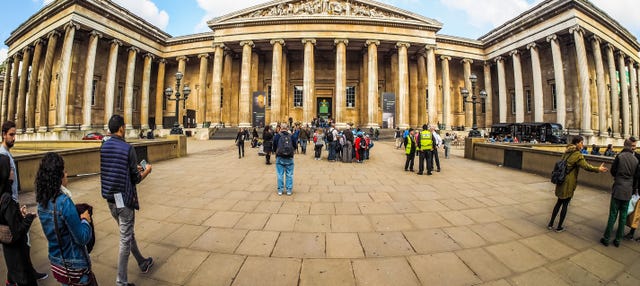 The British MuseumBritish Museum TourFrom €16
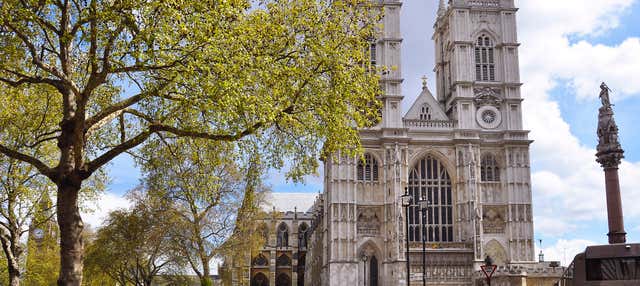 Westminster AbbeyWestminster Abbey TicketsFrom €37.55
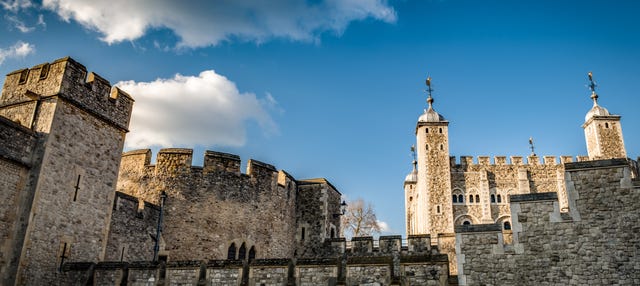 Tower of LondonTower of London TicketsFrom €43.41
Booking is on Civitatis. The accessibility of each activity is set by its operator: check the listing before you book.
London is one of the easiest major cities in Europe to plan around, largely because its institutions publish so much detail. The great museums are level, ramped and free to enter; the difficulty is almost never the destination but the journey. Roughly a third of Underground stations are step-free, so a trip that looks simple on the tube map can involve a long detour — and the map that matters is the step-free one, not the classic diagram.
Accessible places in London
Ranked by accessibility score, which is derived from each recorded profile.
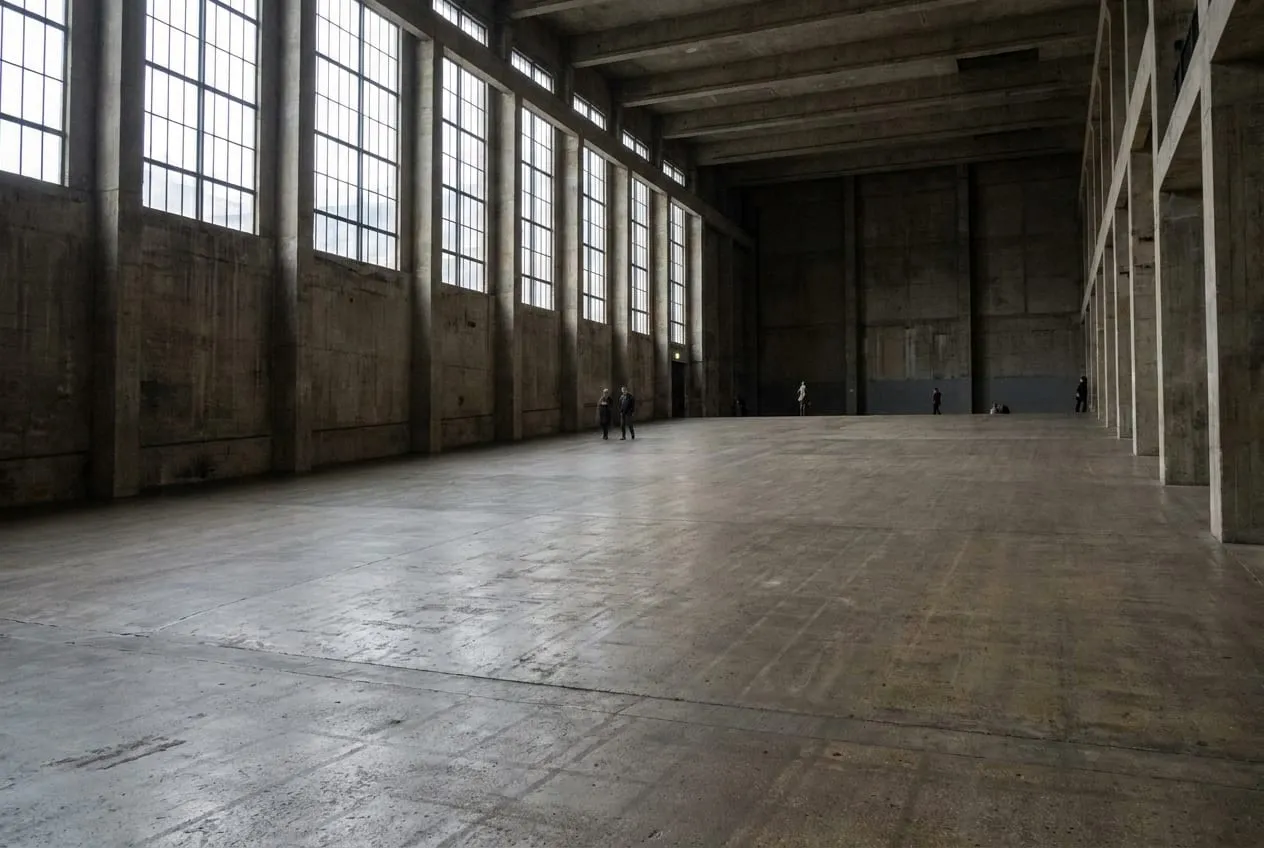 Highly accessible
 A benchmark for level access: ramped entry down the Turbine Hall, generous lifts, quiet hours and a low-stimulus room.
 Highly accessible
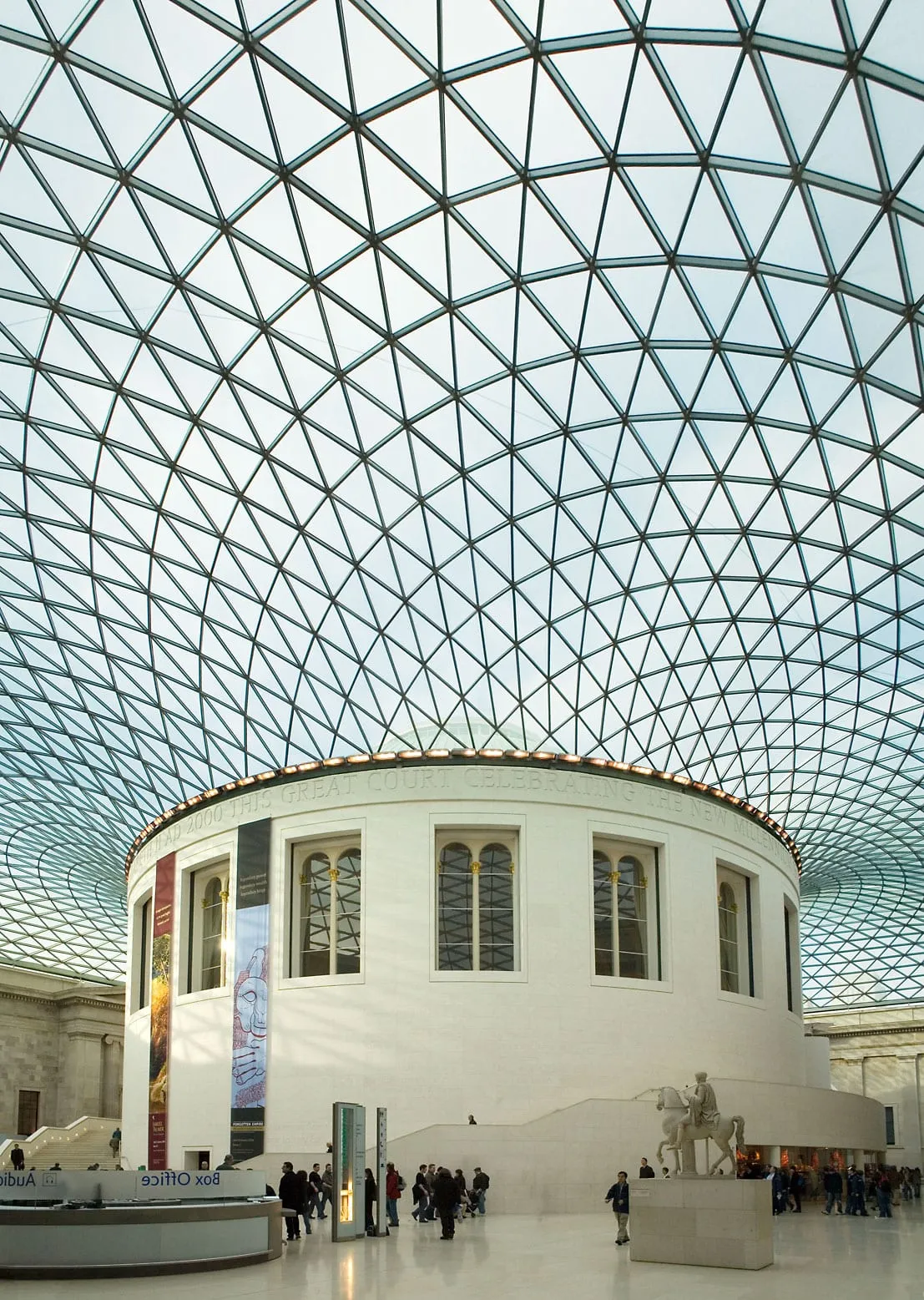
 Level entry via Montague Place, a vast step-free Great Court, and lifts to all main galleries in a building that predates every access law.
 Accessible
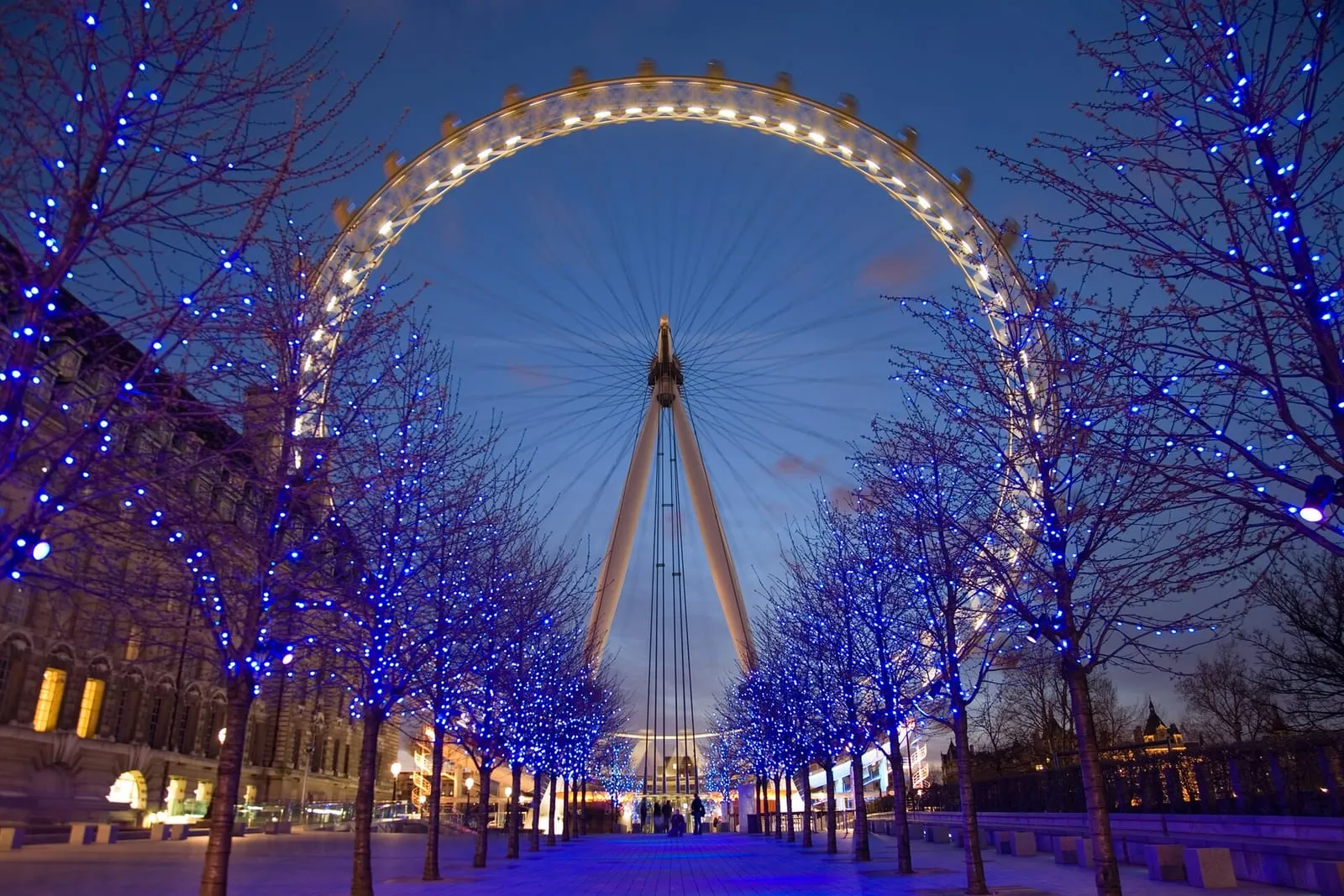
 Level boarding into the capsules from a ramped platform, with a limit of two wheelchairs per capsule — booking ahead matters here.
 Highly accessible
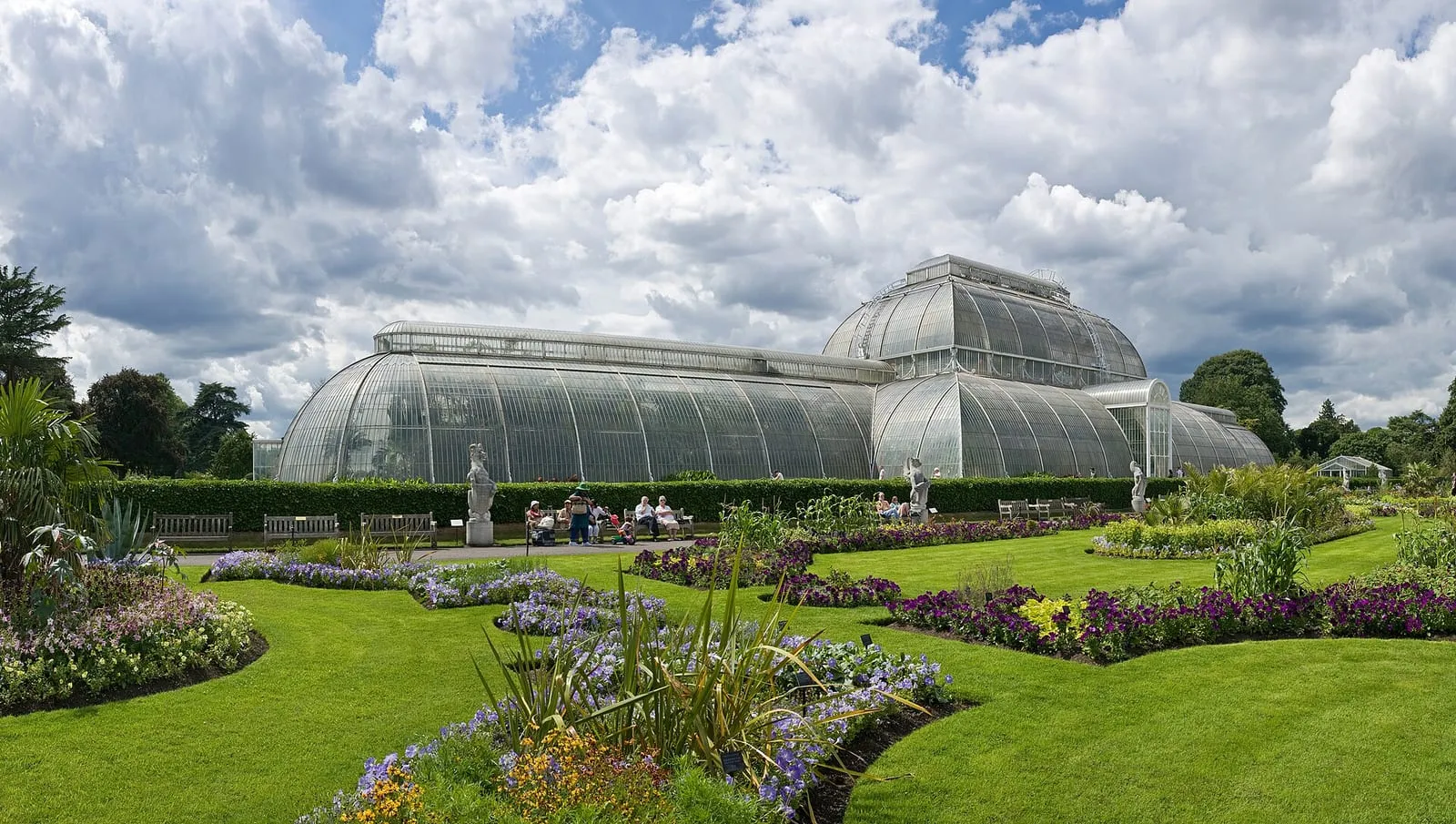
 Three hundred acres with broad firm paths, step-free glasshouses and a land train — the surfaces vary, so the route matters.
A medieval fortress with cobbles, steps and spiral stairs: the Crown Jewels have level access, but the Battlements and the Bloody Tower have no lift or ramp.
Lifts in both towers reach the high-level walkways, with step-free toilets, hearing loops and relaxed openings; the two quiet rooms are not step-free.
Step-free entry at the North Door and the Great West Door, a hearing loop across the main building and free admission with a companion; the Lady Chapel and a few side spaces are reached by steps.
A ramped entrance at the North Transept, a lift to the Crypt and free entry with a companion; the dome galleries are reached by stairs only.
Step-free at every entrance, with lifts throughout, two Changing Places toilets, hearing loops at the information desks and free general admission.
Museums and galleries: level access as standard
The national museums set the benchmark. Tate Modern, the British Museum, the National Gallery and the V&A all offer step-free entrances, large passenger lifts, accessible toilets with grab bars and turning space above 180 cm, and free entry for a companion. Most also lend manual wheelchairs at the cloakroom without charge and without booking.
Sensory provision has become genuinely good rather than tokenistic. Several venues run scheduled quiet hours with reduced lighting and sound, keep ear defenders at the front desk, and publish sensory maps that mark the loudest and busiest rooms so you can plan a calmer path through the building.
Streets, weather and surfaces
Central London is broadly flat, and the pavements are wide and well maintained in the areas most visitors use. The exceptions are worth knowing: the historic core around Borough Market and parts of Covent Garden keep their granite setts, which vibrate a manual chair badly and can catch small front castors.
Dropped kerbs are near-universal in Zone 1 but not always aligned across a junction, so a crossing can leave you on the wrong side of a raised kerb. Rain is the other practical factor — smooth granite and polished museum floors get slippery, and a poncho beats an umbrella when both hands are on the rims.
Practical planning tips
Book assistance for national rail at least a few hours ahead if you can, though Passenger Assist now accepts requests up to two hours before travel and staff will help without a booking where they are able. For the Underground, station staff will deploy a boarding ramp on request at step-free stations.
The Blue Badge scheme gives parking concessions and, importantly, exemption from the Congestion Charge if you register the vehicle in advance — registration is not automatic and takes several days, so do it before you travel.
Accessibility in London: common questions
Is the London Underground wheelchair accessible?
Partly. Around 92 of 272 stations are step-free from street to platform, and only some of those are also level from platform to train. Plan with the dedicated step-free map rather than the standard tube map, and use buses or black cabs to bridge the gaps — all London buses are low-floor with ramps, and every licensed black cab is wheelchair accessible.
Are London museums free and accessible?
The national museums, including Tate Modern, the British Museum and the National Gallery, are free to enter and offer step-free access, lifts to all main floors, accessible toilets and free companion entry. Most lend manual wheelchairs free of charge at the cloakroom.
Do I need to book accessible travel in advance in London?
Not for buses, the Underground or black cabs. For national rail, Passenger Assist accepts requests up to two hours before travel, though booking earlier gives a better guarantee. Some attractions with timed entry, such as the London Eye, do ask you to flag access needs when booking.
What surfaces should wheelchair users expect in central London?
Mostly smooth, wide and well-maintained pavements in Zone 1, with near-universal dropped kerbs. The notable exceptions are granite setts around Borough Market and parts of Covent Garden, which are rough going for manual chairs and small castors.