Accessible travel in Paris
What accessibility actually looks like across 4 of the most-visited places in Paris — measured against one consistent protocol, so the figures are comparable.
- 4 places profiled attribute by attribute
- 3 with a step-free main entrance
- 4 with recorded lift dimensions
- 3 with an accessible toilet
- Average accessibility score of 80/100
Tickets and guided visits in Paris
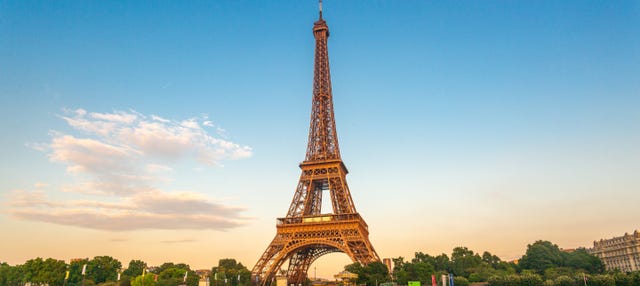 Eiffel TowerEiffel Tower 3rd Floor TicketsFrom €95.90
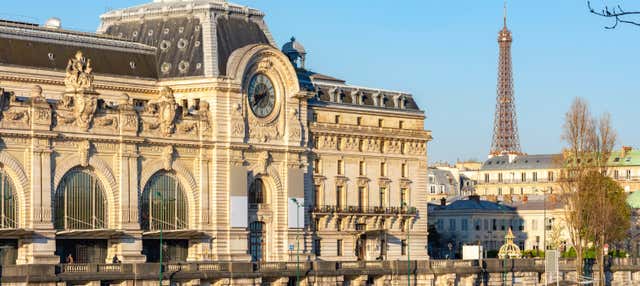 Musée d'OrsayMusée d'Orsay TicketsFrom €17
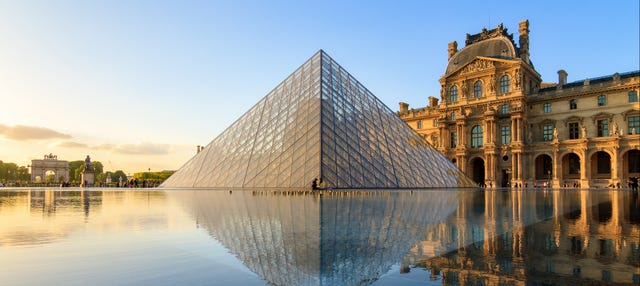 Musée du LouvreLouvre Museum Skip-the-Line Tickets + Tour Assistant to the Mona LisaFrom €79
Booking is on Civitatis. The accessibility of each activity is set by its operator: check the listing before you book.
Paris is two cities at once for anyone who cannot use stairs. Its museums are among the best-equipped in Europe, with free entry for a disabled visitor and a companion, priority queues and loaner wheelchairs at the door. The Métro that should connect them is largely unusable, with lifts at fewer than one station in ten. Planning Paris well means treating buses, trams and the RER as your main network and the Métro as an occasional bonus.
Accessible places in Paris
Ranked by accessibility score, which is derived from each recorded profile.
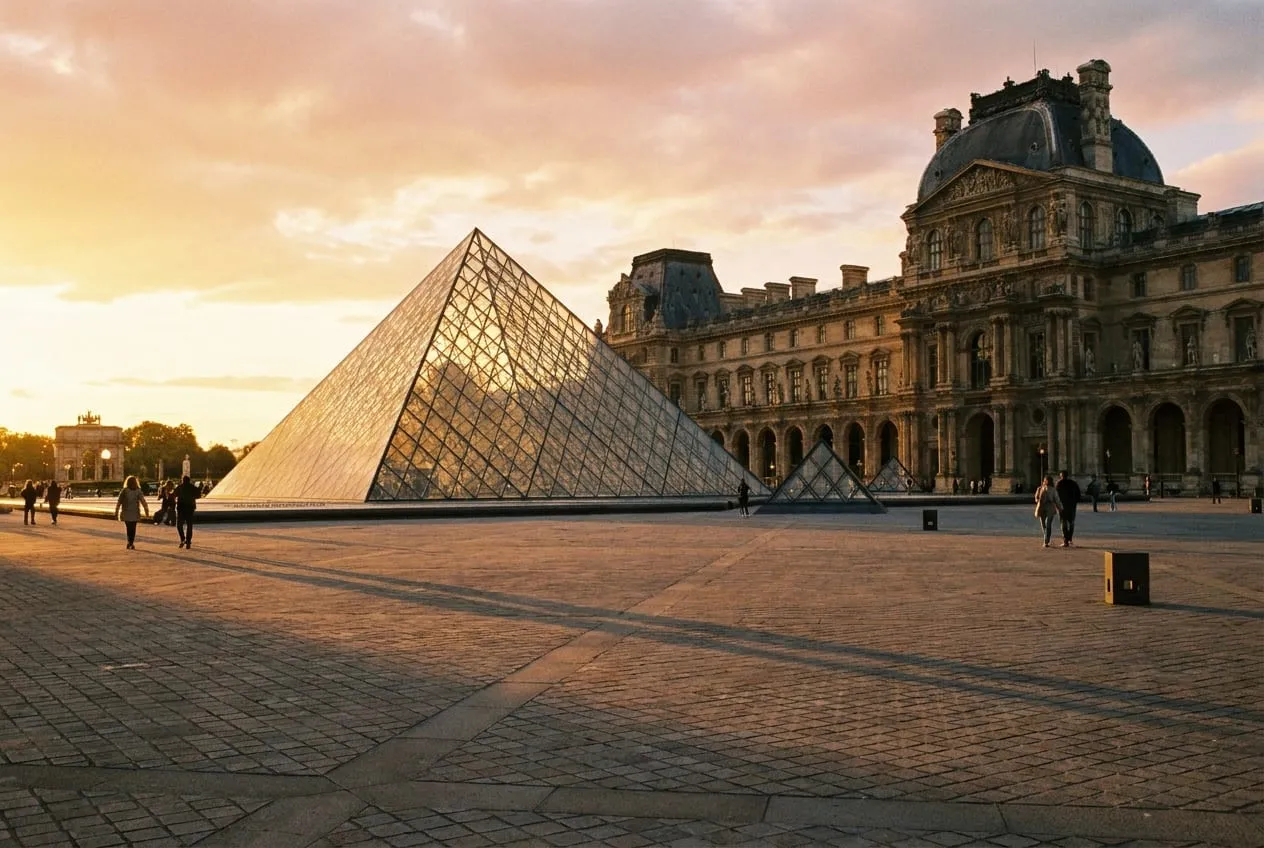 Accessible
 Free priority entry for a disabled visitor and companion, a cylindrical lift down through the Pyramid, and lift routes that work but take longer than the stairs.
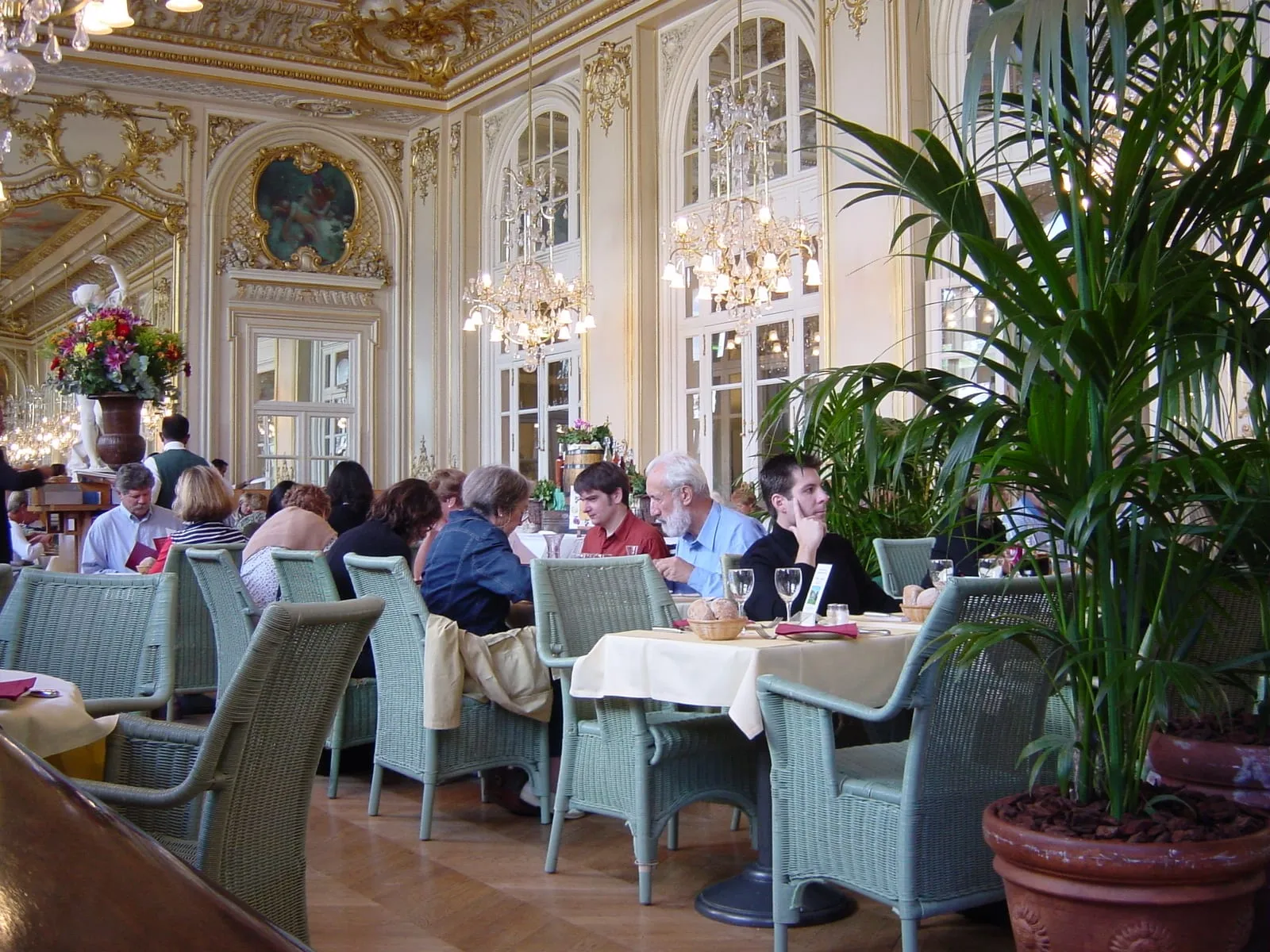 Highly accessible
 Priority step-free entry at Entrance 2, lifts and ramps to every exhibition level, and roughly 95% of the collection reachable without a step.
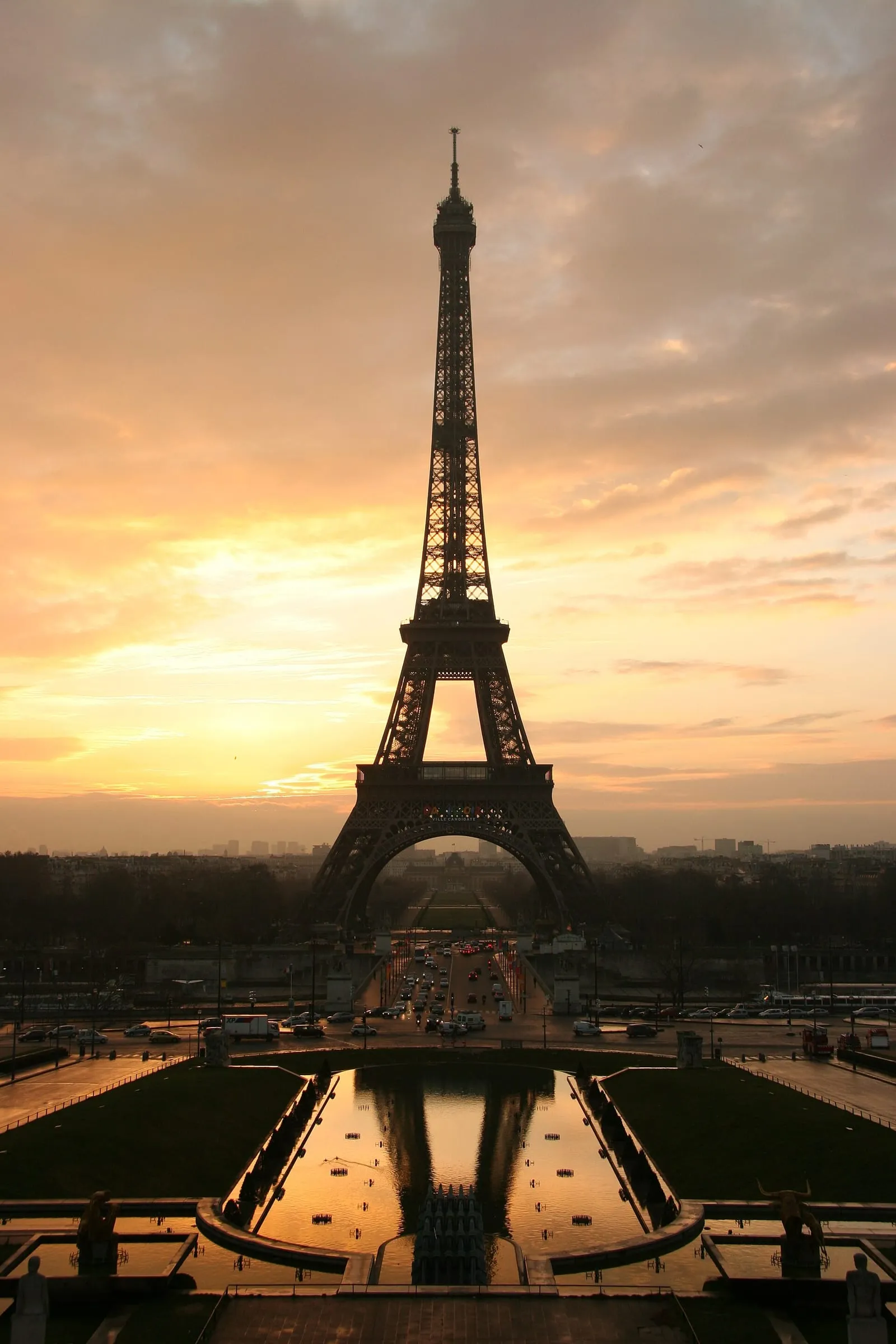 Partial
 Lifts from the north pillar reach the first and second floors, but the summit and every staircase are closed to wheelchair users for evacuation reasons.
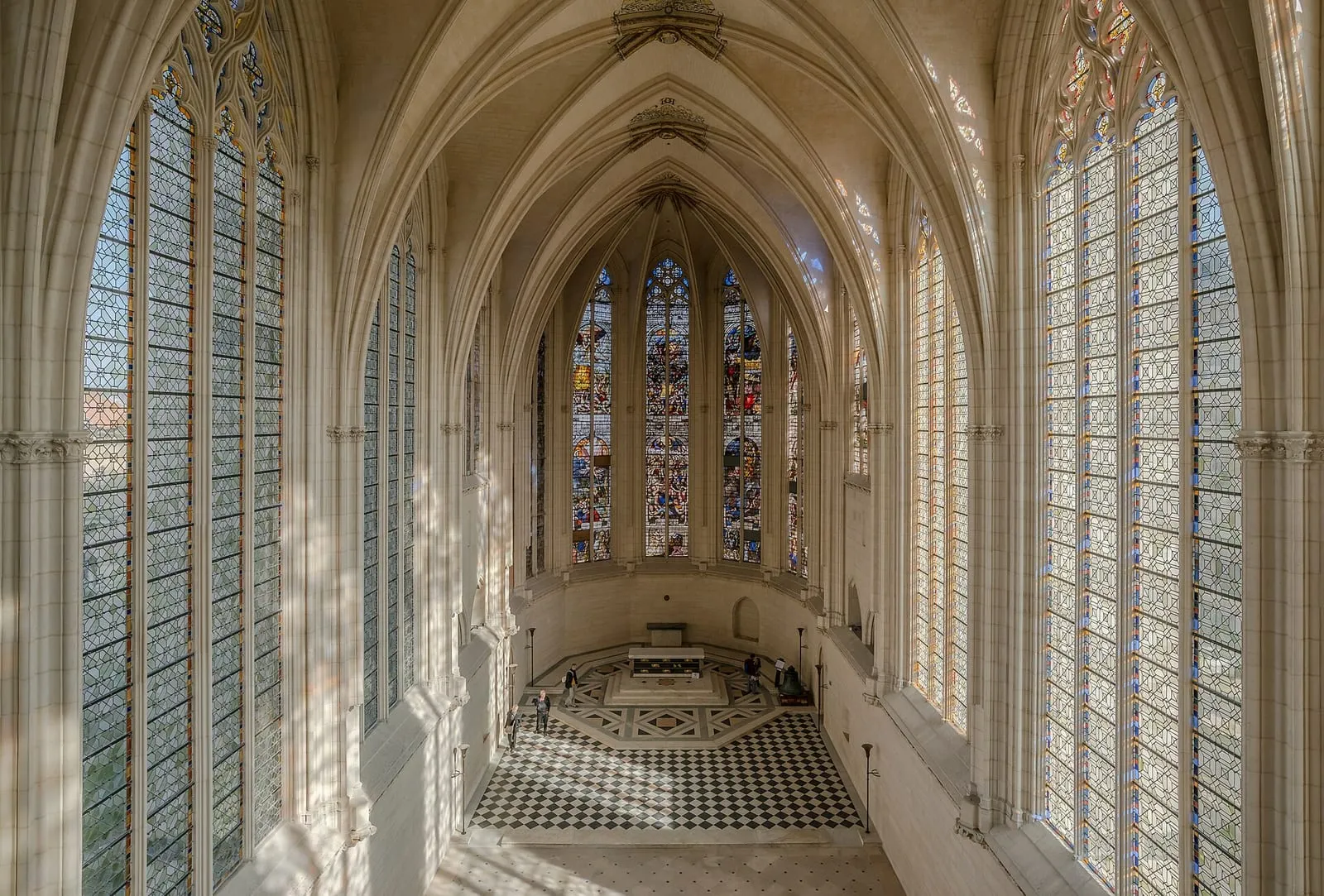 Partial
 A ramp reaches the lower chapel and a small staff-operated lift carries two wheelchairs at a time to the glass upper chapel — but there is no accessible toilet on site.
Museums and monuments: generous access, long routes
The national museums are the reason Paris still rewards the effort. Entry is free for a disabled visitor and the person accompanying them, and both are waved past the queue — a saving of an hour or more at the Louvre in July. The Louvre lends wheelchairs, folding stools, canes and sensory bags in exchange for ID; the Musée d'Orsay keeps 17 wheelchairs and 8 folding seats at the cloakroom and states that about 95% of its collection can be seen without a step.
The limits are architectural and the venues are usually honest about them. Sainte-Chapelle's upper chapel, the reason anyone visits, is reached by a spiral staircase for most people and by a small staff-operated lift that takes two wheelchairs at a time for everyone else. The Eiffel Tower will not carry wheelchair users or visitors on crutches to the summit at all, citing evacuation down narrow stairs. Neither is a technicality you can talk your way past on the day.
Sensory provision sits behind London. Loaner sensory kits are becoming standard at the big national museums, and hearing loops are common at reception desks, but scheduled quiet hours and published sensory maps are still rare. If reduced stimulus matters, the practical lever is timing: the first hour after opening on a Wednesday or Thursday is markedly calmer than any afternoon.
Streets, cobbles and gradients
Haussmann did wheelchair users an accidental favour. The boulevards he drove through the city are wide, asphalted and gently graded, with dropped kerbs at almost every crossing, and the Right Bank and Left Bank quays have been rebuilt as long, smooth, traffic-free promenades. On that geometry Paris is a genuinely easy roll, and the distances between the Louvre, the Tuileries and the Orsay are all covered on level ground.
Then there is the old city. The Marais keeps its granite setts, the Île de la Cité is cobbled up to the doors of its monuments, and the lanes around Rue Mouffetard and Montmartre combine setts with real gradient. The Butte Montmartre climbs about 130 m, and the funicular up to Sacré-Coeur is the sensible way to take it. Pavements in those quarters narrow to well under a metre where café terraces and scooters take the rest.
Cafés and small shops are the other everyday obstacle. Nineteenth-century buildings sit a step or two above the pavement, and many bistros have a raised threshold, a narrow interior and a basement toilet. Terrace seating is usually the accessible option by default. If a specific restaurant matters, the government's Acceslibre register lets you check entrance steps and toilets before you commit.
Practical planning
Free and reduced admission almost always requires documentary proof. French residents show a Carte Mobilité Inclusion; visitors from abroad should bring an official disability card, benefit award letter or equivalent, ideally with a photo and in English or French. Staff are generally flexible about the format and inflexible about having nothing at all, so pack it in your day bag rather than your suitcase.
For mainline trains, SNCF's Assist'enGare service arranges boarding help and should be requested in advance; ramps are not deployed without a booking at smaller stations. Timed-entry attractions such as the Eiffel Tower and Sainte-Chapelle want your access needs declared at the point of booking, partly because capacity for wheelchairs is capped per lift or per slot.
One more habit worth forming: check lift status the morning you travel. Outages on the RER and on Line 14 are announced same-day, and a single failed lift can turn a 20-minute journey into a bus route you have not planned. Keeping a bus alternative in mind for each leg costs nothing and saves the day more often than you would expect.
Accessibility in Paris: common questions
Is the Paris Métro wheelchair accessible?
Mostly not. Line 14 is the only line that is step-free end to end, with lifts at all its stations and level boarding; the rest of the 1900-era network has almost no lifts, and Île-de-France Mobilités has said retrofitting them is impractical. Use buses instead — the entire RATP bus fleet is low-floor with ramps — plus the trams and the central RER A and B.
Are Paris museums free for disabled visitors?
At the national museums, yes. The Louvre, Musée d'Orsay and other state museums admit a disabled visitor and one accompanying person free, with priority access past the queue, on presentation of valid proof of disability. Bring an official card or award letter; both museums also lend wheelchairs and folding stools free of charge in exchange for ID.
Can wheelchair users go to the top of the Eiffel Tower?
No. Lifts from the north pillar reach the first floor and the lower level of the second floor, both of which are fully accessible. The summit and all staircases are closed to wheelchair users and to visitors on crutches for evacuation reasons, so buy a second-floor lift ticket rather than a summit ticket.
What surfaces should wheelchair users expect in Paris?
Wide, smooth asphalt with dropped kerbs on the Haussmann boulevards and along the rebuilt Seine quays. The exceptions are concentrated and predictable: granite setts across the Marais and the Île de la Cité, and setts plus a 130 m climb in Montmartre, where the funicular to Sacré-Coeur is the accessible route up.