New York
Excellent buildings, unreliable subway
New York inverts the pattern most travellers expect. Decades of the Americans with Disabilities Act have made its buildings genuinely good: museums are level, lifts are large, staff know the rules, and companion admission is usually free. The subway never caught up. Only 149 of 472 stations offer step-free access from street to platform, so the network that looks dense on the map is full of holes. The bus fleet is what makes the city work.
Accessible places in New York
Each profile records door widths, lift dimensions, slopes, surfaces and sensory support — with its sources.
 Highly accessible
 A two-million-square-foot museum with a level entrance at 81st Street, large lifts to every gallery floor and free care-partner admission.
 Accessible
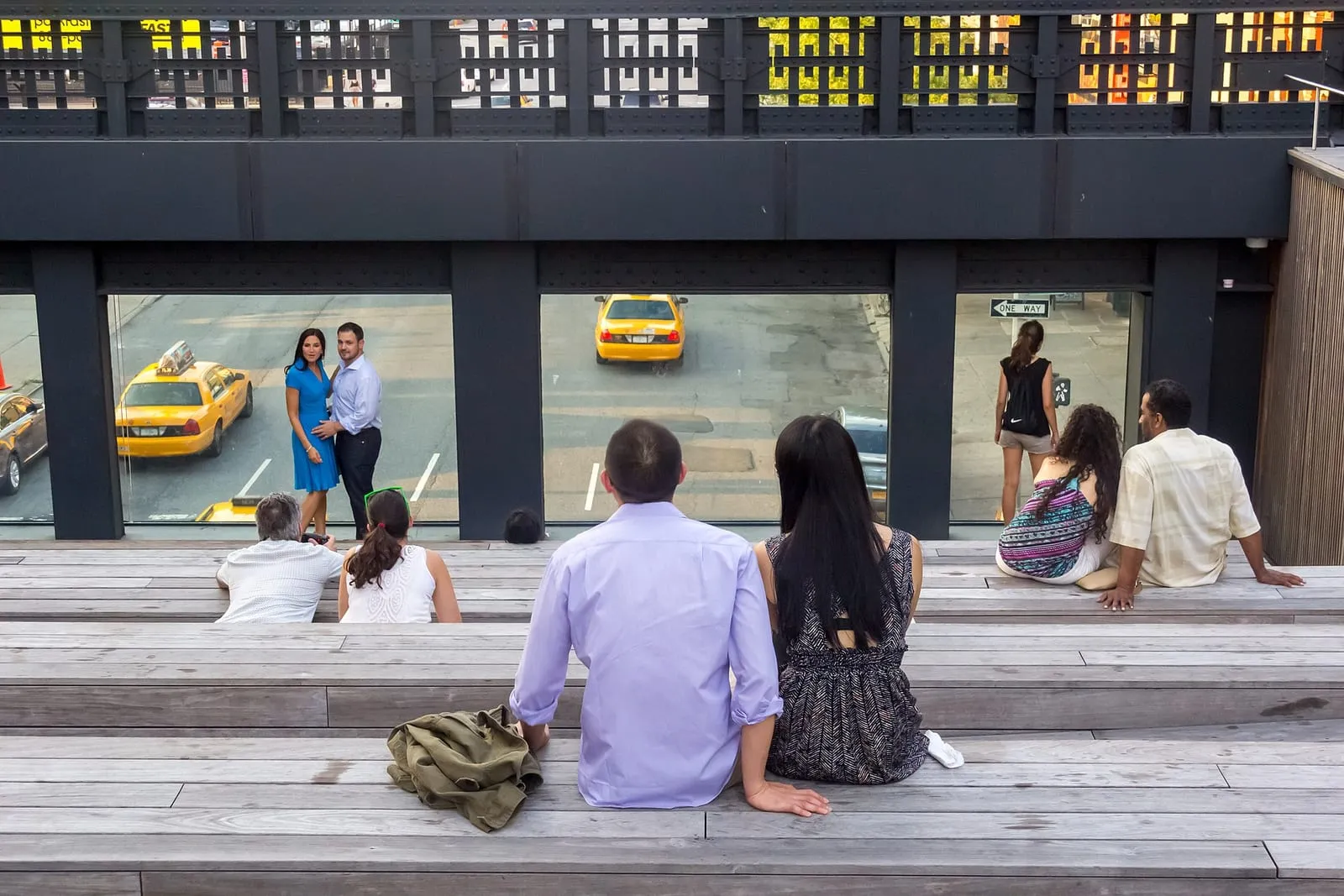
 An elevated 2.3 km park that is step-free from end to end, but only about half its access points have a lift.
 Highly accessible
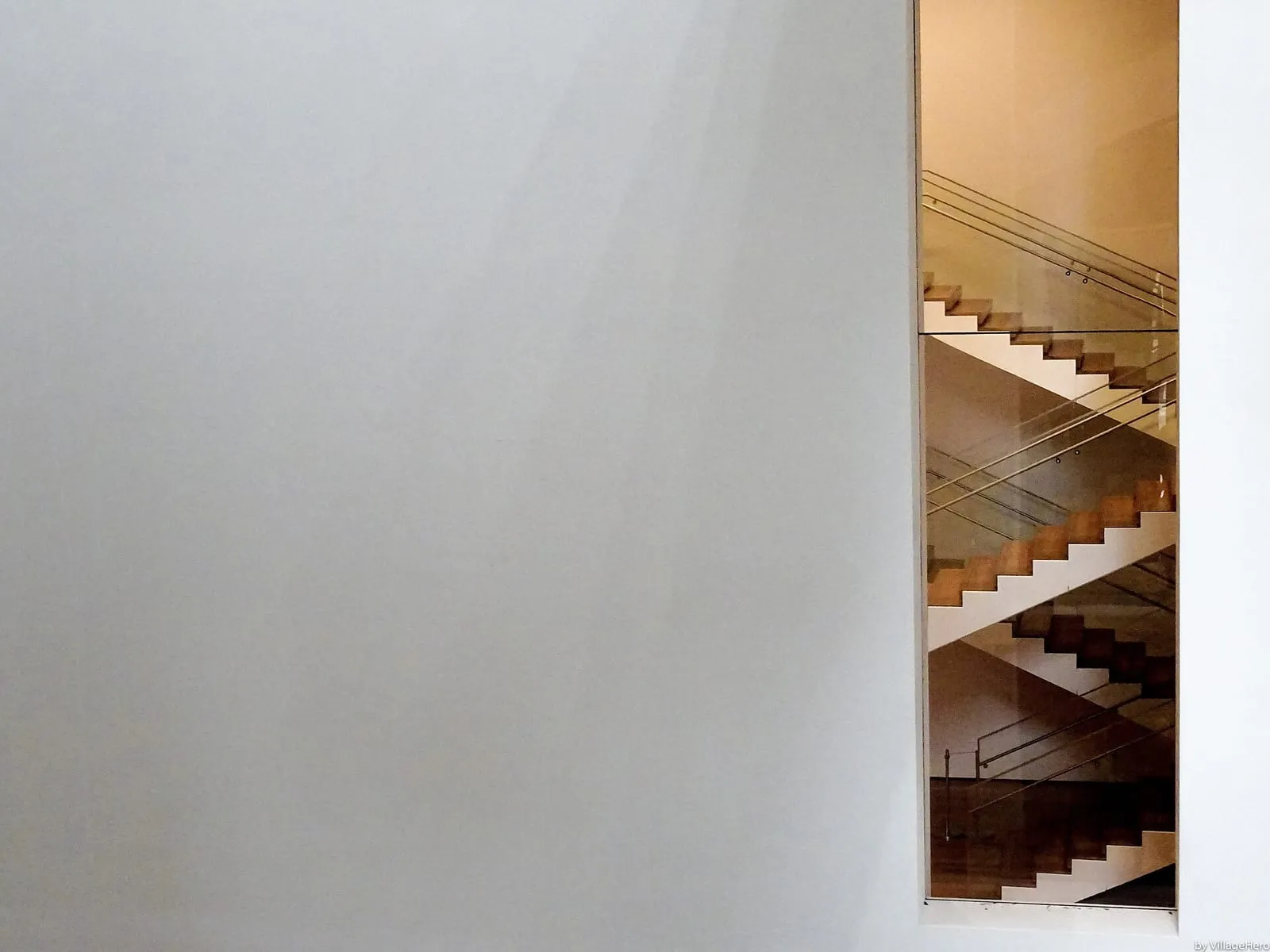
 Power-assist doors, lifts to every level and a museum-wide access programme that includes Quiet Mornings and a published social access guide.
 Partial
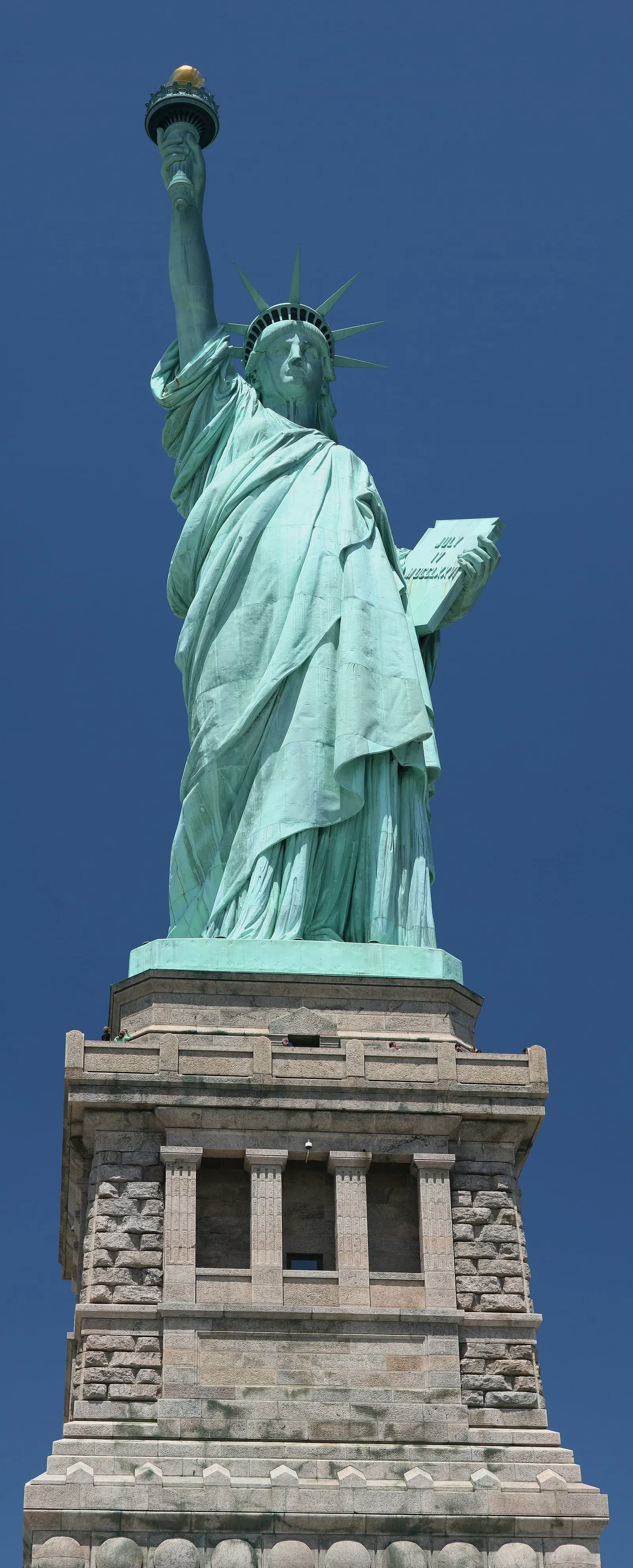
 The ferry, island, museum and pedestal observation deck are all accessible by lift — the crown is reached only by 162 narrow spiral stairs and is not.
Getting around: the buses are the system that works
The MTA publishes its accessible station list openly, and the number is sobering: 149 of 472 subway stations have lifts or ramps from street to platform. Coverage clusters in Manhattan below 96th Street and thins fast in Queens, Brooklyn and the Bronx. Even at accessible stations, the horizontal gap and the 5-10 cm step up into the car catch small front castors, and station staff do not deploy boarding ramps the way London Underground staff do.
Buses are the honest answer. All 5,800-odd MTA buses kneel and carry a ramp, drivers deploy them dozens of times a shift, and two securement positions per bus are standard. Crosstown and avenue routes run every few minutes in Manhattan, so a bus journey that looks slow on paper is often faster than hunting for two working lifts. Bus stops are simply kerbside, which removes the lift dependency entirely.
Taxis are the weak link people underestimate. Roughly half the yellow medallion fleet is now wheelchair accessible, but you cannot rely on hailing one. The city runs Accessible Dispatch, which sends an accessible yellow cab anywhere in Manhattan at the standard meter rate — book it by phone or app rather than standing on a kerb hoping. NYC Ferry vessels and terminals are step-free and pleasant in warm weather.
Museums and landmarks: the ADA at its best
This is where New York earns its reputation. The Met, MoMA, the Whitney, the Guggenheim and the American Museum of Natural History all provide step-free entrances, large passenger lifts serving every public floor, accessible restrooms with turning space at or above 190 cm, and free admission for a care partner. Wheelchairs are lent free at the coat check, usually in both standard and wide widths, and usually without a reservation.
Discounted admission for visitors with disabilities is common rather than exceptional. The Met and MoMA both price a disabled visitor at 22 dollars with a free care partner, and the Fine Arts Museums model that most US institutions follow goes further. Access programming is genuinely staffed: verbal-description tours, ASL-interpreted talks and dementia-focused sessions run on published schedules, though sign interpretation usually needs about two weeks of notice.
The exceptions are almost always historic fabric rather than policy. The Met's Fifth Avenue grand staircase has no ramp; the accessible entrance sits a block north at 81st Street. The Statue of Liberty's crown is reached only by a narrow spiral stair. In each case the operator documents the limit plainly, which is the difference between a barrier you plan around and one that ruins a day.
Streets, surfaces and the sidewalk shed
Manhattan's grid is one of the flattest walkable street networks in any major city, and kerb ramps are near-universal at intersections below 125th Street. Sidewalks are wide, concrete and generally in fair repair. Where the geometry breaks down is at the corner: opposing kerb ramps are not always aligned, and a diagonal crossing can land you against a raised kerb with traffic behind you.
Scaffolding is the local hazard nobody warns visitors about. New York carries thousands of sidewalk sheds at any time, and their support posts narrow the clear path to well under a metre in places, with plywood ramps over the base plates that are often steeper than they look. Cellar doors, subway grates and delivery-bike traffic add to the obstacle count on commercial blocks.
Winter is the seasonal risk. Snow gets ploughed into the kerb ramps first, and a cleared roadway with a blocked corner is functionally impassable in a wheelchair. Summer brings the opposite problem: mid-July heat in the high 30s Celsius on dark asphalt, with shade scarce on avenue blocks. Both are worth designing an itinerary around rather than pushing through, since neither is something a good building can compensate for.
Practical planning
Access-A-Ride, the city's paratransit service, is for certified residents and is not available to visitors, so build your plan around buses, Accessible Dispatch and the accessible subway stations rather than expecting door-to-door transport. There is no visitor equivalent and no day pass that unlocks one. Check the MTA lift-outage page the morning you travel; outages are frequent and are the single most common reason a planned step-free route fails.
For Broadway and off-Broadway theatre, accessible seating is bookable directly with each house and the Theatre Development Fund runs an accessibility programme covering open-captioned and audio-described performances. Book those specific dates rather than a general ticket, because a standard seat cannot be swapped later. Hotel rooms described as accessible vary widely, so ask for the roll-in shower dimension and the bed height in centimetres before paying.
When to go for easier access
Late April to June and September to October give mild weather, dry sidewalks and no snow-blocked kerb ramps. Avoid the second half of December, when crowds around Midtown make bus boarding and museum lifts genuinely difficult.
Fares, passes and assistance
Published by the operator. Concession rules change, so check before you buy.
- Disabled concession
- MTA Reduced-Fare (Reduced-Fare OMNY)
- Half-price fares - US$1.50 against the US$3.00 base fare, at all times of day
- Residents only — not available to visitors
Open to riders aged 65 or over and riders with qualifying disabilities, who must apply with documentation of the disability and be issued a Reduced-Fare OMNY card in advance. It covers subway, buses, Staten Island Railway, Roosevelt Island Tram and Hudson Rail Link.
- Accessible taxis
The NYC Taxi and Limousine Commission reports that more than 50% of the active yellow taxi fleet is wheelchair accessible - over 5,100 cabs as of June 2025 - and that all TLC-licensed drivers must complete wheelchair passenger assistance training covering ramp operation and securement. Accessible Taxi E-hail (formerly Accessible Dispatch) sends a wheelchair accessible taxi anywhere in the city at no extra cost. Call 646-599-9999, dial 311 (NY Relay 711), book at accessibledispatch.com, or use the app.
Good to know
- The MTA states that more than 150 subway stations are ADA-accessible - check your specific origin and destination rather than assuming step-free access.
- Check live elevator and escalator status in the MTA app before you travel, and sign up for email or text alerts about outages.
- Customer Service Centers are located in accessible stations and are open 24/7.
Sources: MTA - Accessible travel by subway (retrieved August 10, 2026) · MTA - Reduced-Fare program (retrieved August 10, 2026) · MTA - Reduced-Fare OMNY (retrieved August 10, 2026) · NYC Taxi and Limousine Commission - Find an accessible ride (retrieved August 10, 2026)
Accessibility in New York: common questions
Is the New York subway wheelchair accessible?
Only partly. 149 of 472 stations have step-free access from street to platform, concentrated in Manhattan below 96th Street. Even accessible stations often have a step and gap into the train. Plan with the MTA accessible station list, check the lift-outage page on the day, and treat buses as your primary network — every MTA bus kneels and carries a ramp.
How do wheelchair users get around New York without the subway?
Buses. The whole MTA fleet is low-floor with ramps and two securement positions, and Manhattan routes run every few minutes. For longer or awkward trips, Accessible Dispatch sends a wheelchair-accessible yellow taxi anywhere in Manhattan at the normal meter rate. NYC Ferry terminals and boats are also step-free.
Are New York museums free for disabled visitors?
Not free, but discounted, and a care partner usually enters free. The Met and MoMA both charge 22 dollars for a visitor with a disability with complimentary care-partner admission. Wheelchairs are lent at no charge at the coat check, and access programmes such as verbal-description and ASL tours are free, though interpretation typically needs two weeks' notice.
What street obstacles should wheelchair users expect in New York?
Kerb ramps are near-universal but not always aligned across an intersection. The bigger problem is scaffolding: sidewalk sheds narrow the clear path and their base plates carry short, steep plywood ramps. Add cellar doors, subway grates and, in winter, snow ploughed straight into the corner kerb ramps.