Accessible travel in Vienna
What accessibility actually looks like across 2 of the most-visited places in Vienna — measured against one consistent protocol, so the figures are comparable.
- 2 places profiled attribute by attribute
- 1 with a step-free main entrance
- 2 with recorded lift dimensions
- 2 with an accessible toilet
- Average accessibility score of 87/100
Vienna solves the problem that defeats most European cities: every station on its U-Bahn is barrier-free. Wiener Linien reports all 109 stations reachable by lift or ramp, with raised platform sections that bring the floor level with the train door. That removes the route-planning arithmetic wheelchair users do everywhere else. What remains is the imperial architecture, where grand staircases still lead the way in and side doors do the real work.
Accessible places in Vienna
Ranked by accessibility score, which is derived from each recorded profile.
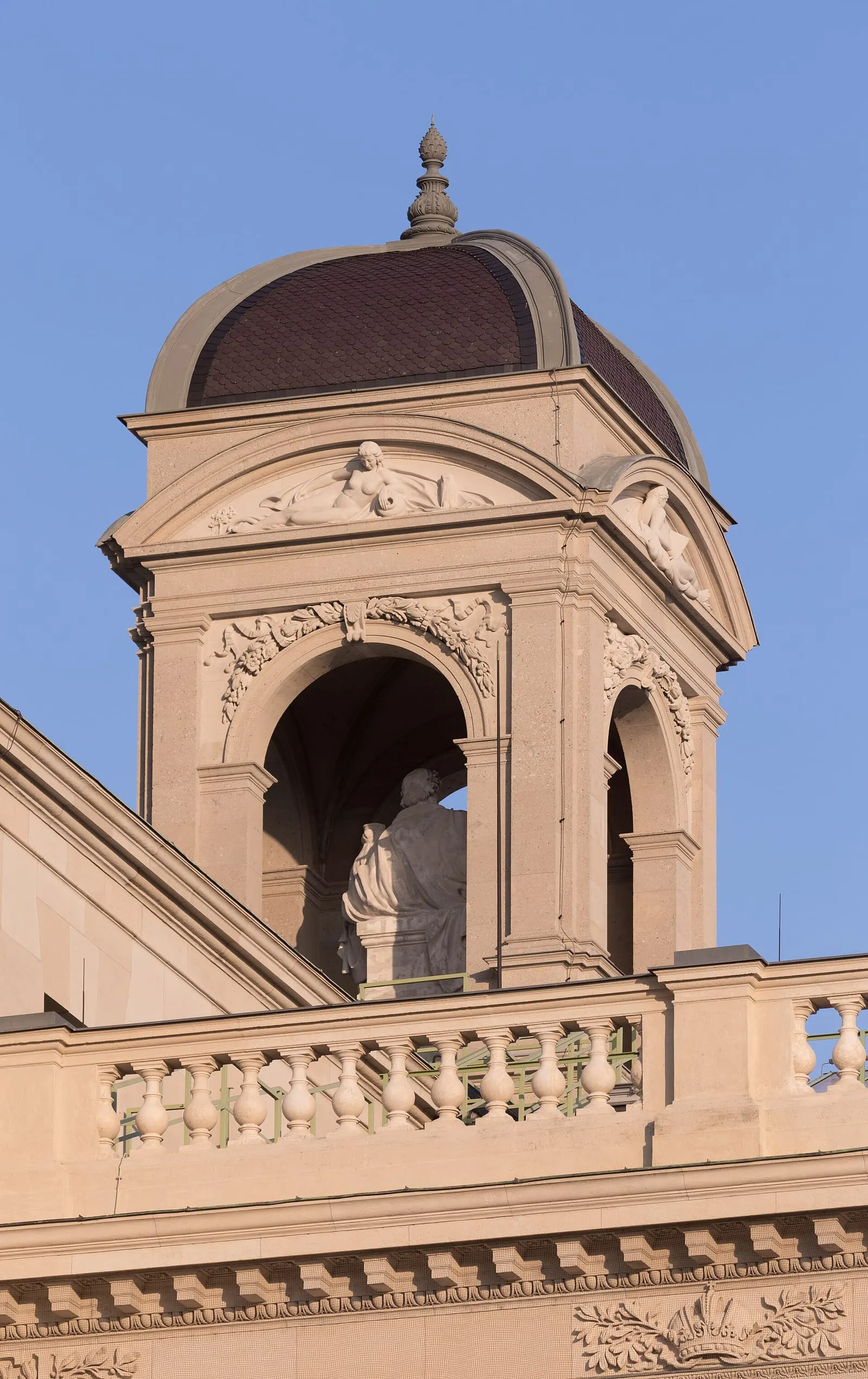 Highly accessible
 A side door at Burgring 5 where staff meet you, then two lifts that reach every collection, café, shop and barrier-free toilet.
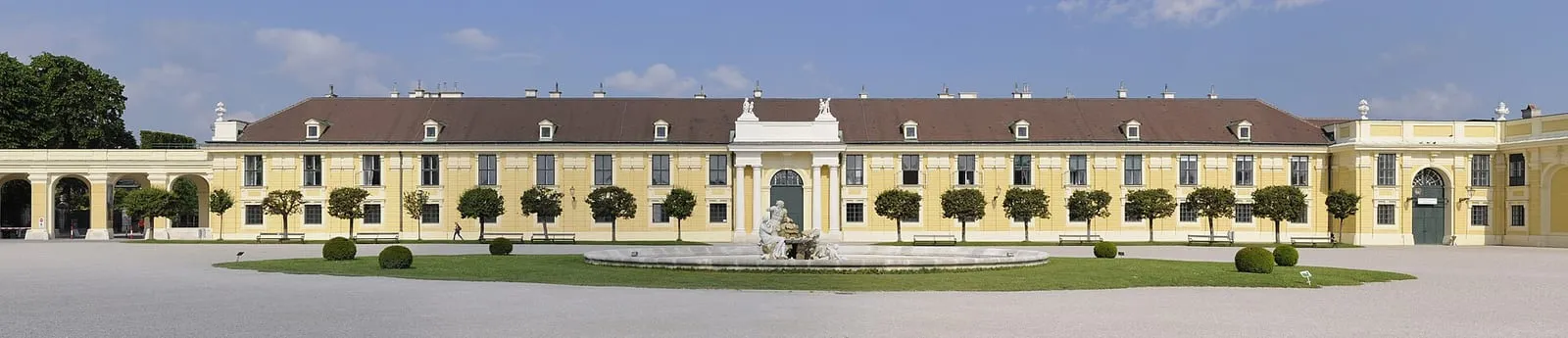 Accessible
 A lift to the state rooms and free loan wheelchairs, set against gravel park paths and a Gloriette with no step-free route.
Palaces and museums
Vienna's museums are strong once you know which door to use. At the Kunsthistorisches Museum the ceremonial staircase on Maria-Theresien-Platz is not the accessible route; the side entrance at Burgring 5 is, and a member of staff meets you there and accompanies you inside, from where two lifts reach every collection, the shop, the café and the barrier-free toilets on three levels.
Schönbrunn is the classic partial case. A lift reaches the state rooms on the first floor once you tell the staff at the turnstile, ramps or lifts cover the display areas, and wheelchairs are lent free against an ID deposit. But the Gloriette terrace, the maze viewing platform and the Privy Garden have no step-free route, and the park paths are compacted gravel with a long climb toward the hill.
Free companion admission is common across the city's major institutions, including the Belvedere, the Albertina and the Schönbrunn group, usually where the visitor's disability documentation records the need for assistance. Foreign visitors should carry that paperwork; Austrian venues are used to seeing an Austrian pass and will ask for an equivalent.
Streets, surfaces and terrain
The Innere Stadt is flat, compact and mostly pedestrianised, which is the good news. The surface is the trade-off: Graben, Kohlmarkt, Kärntner Straße and the ground around Stephansplatz are laid in granite setts, smooth in the worn centre of the street and rougher at the edges. Manual users generally find the middle of the street easier than the margins.
The Ringstraße is a different world — wide, level asphalt pavements, consistent dropped kerbs and generous crossing times, which is why so many accessible itineraries hug it. Between the Ring and the cathedral the distances are short enough that a bumpy 400 m is usually the worst you face.
Further out, Schönbrunn and the Prater are gravel, and gravel after rain is heavy work. Vienna grits thoroughly in winter but the grit itself collects in dropped kerbs and makes the transition gritty rather than smooth.
Practical planning
The city publishes a substantial barrier-free guide covering transport, venues and accessible toilets, and Wiener Linien's Liftboy app lets you call and control station lifts from a phone — a small thing that matters when the call button sits at an awkward height. Both are free and both are worth setting up before you arrive.
For rail beyond the city, ÖBB arranges boarding assistance and asks for notice, ideally at least a day ahead for smaller stations. As in Germany, a Euro-key opens many locked accessible toilets in Austria, so bring one if you already own it. Museum wheelchairs are usually free but limited: the Kunsthistorisches asks for a day's notice by email.
Accessibility in Vienna: common questions
Is the Vienna U-Bahn wheelchair accessible?
Yes, essentially completely. Wiener Linien reports all 109 U-Bahn stations reachable step-free by lift or ramp, with raised platform sections that level the gap at the designated door. In practice that means you can plan a route on the standard network map rather than a separate step-free one — unusual in Europe.
Which entrance of the Kunsthistorisches Museum is accessible?
The side entrance at Burgring 5. The grand staircase on Maria-Theresien-Platz is not step-free. At Burgring a member of staff meets visitors with reduced mobility and accompanies them in, and two lifts then reach all collections, the café, the shop and barrier-free toilets on three levels.
Is Schönbrunn Palace wheelchair accessible?
Partly. A lift reaches the state rooms on the first floor if you tell staff at the turnstile, and display areas are covered by ramps or lifts. The Gloriette terrace, the maze viewing platform and the Privy Garden have no step-free route, and park paths are compacted gravel with a long uphill approach.
Are Vienna trams accessible for wheelchair users?
Some are. The ULF low-floor cars sit about 19 cm above the rail and carry a ramp; older Type E2 units have interior steps and are not usable. Wiener Linien marks low-floor departures in its timetable and app, so check the vehicle before committing to a tram leg.