Tokyo
The best rail access in the world, above ground it varies
Tokyo has the most consistently accessible urban rail network anywhere: 176 of Tokyo Metro's 180 stations are step-free, staff will meet you with a boarding ramp, and tactile paving covers almost every platform edge and pavement. The gap between that and the rest of the city is what catches travellers out. Modern towers are effortless; older temples, shrines and back streets are a patchwork of side ramps, small lifts and 15 cm thresholds that no one publishes.
Tickets and guided visits in Tokyo
 Sensō-jiAsakusa Free Walking TourFree to book
 Ueno ParkUeno Free Walking TourFree to book
 Tokyo SkytreeTokyo Skytree Observation DeckFrom €19.55
Booking is on Civitatis. The accessibility of each activity is set by its operator: check the listing before you book.
Accessible places in Tokyo
Each profile records door widths, lift dimensions, slopes, surfaces and sensory support — with its sources.
 Accessible
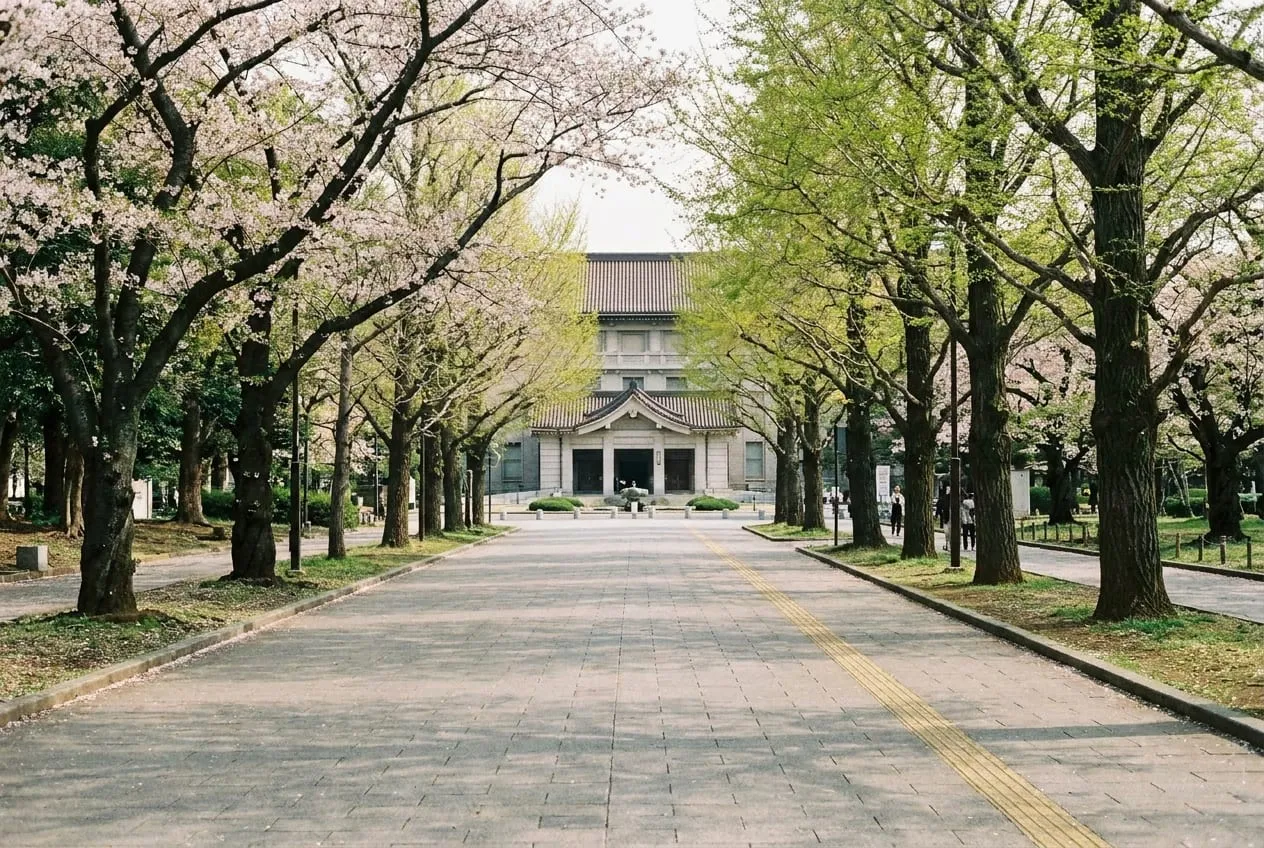
 A flat museum quarter reached in 150 m from a step-free station exit, wrapped around a hillside that hides stairs and 7% ramps between levels.
 Partial
 A barefoot, water-based digital art museum with a defined wheelchair route — but several rooms can only be viewed from a distance, and one cannot be reached at all.
 Accessible
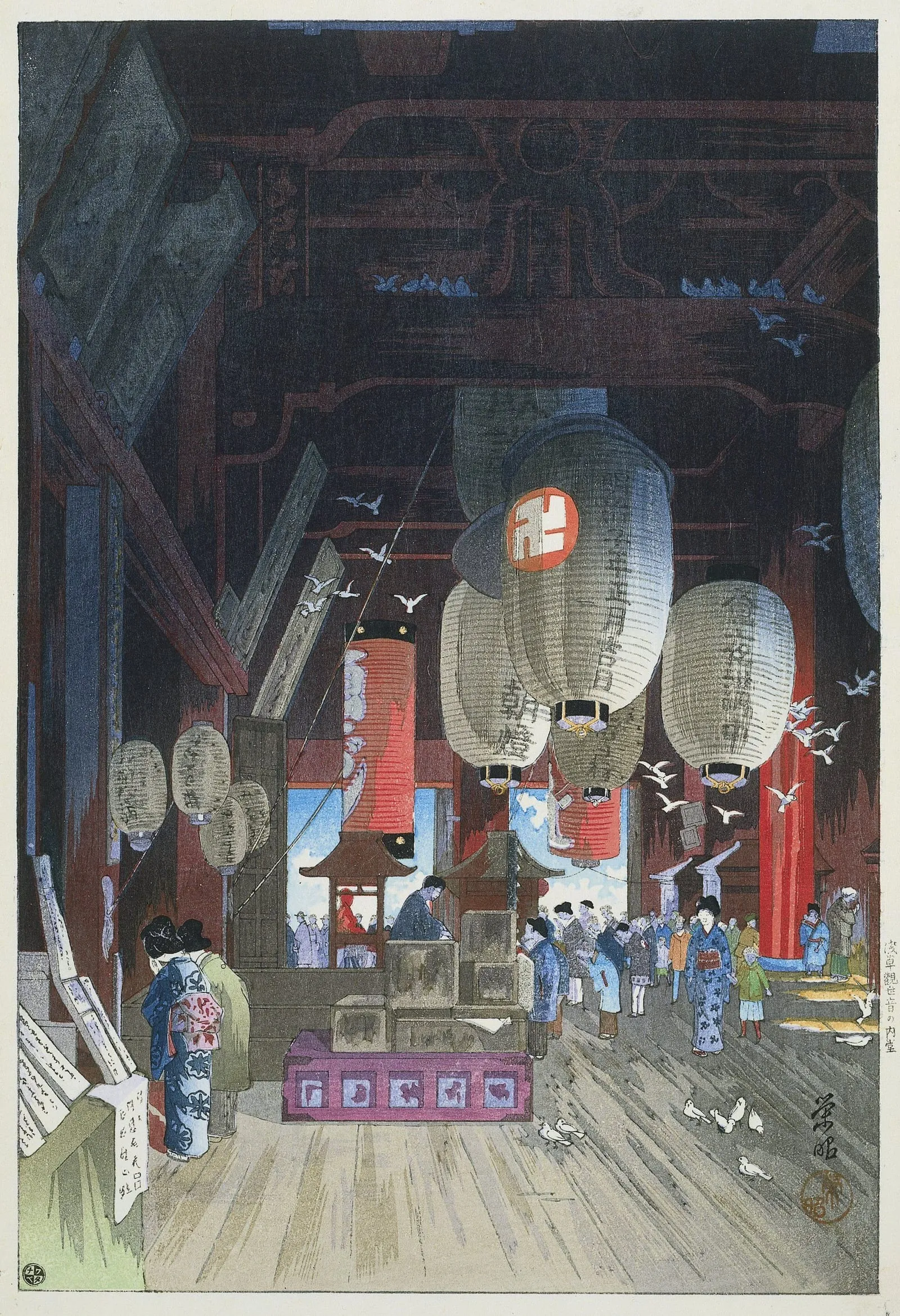
 Tokyo's oldest temple sits on flat ground with a 4 m-wide approach, and the main hall's worship floor is reached by a side ramp and a small lift rather than the front steps.
 Highly accessible
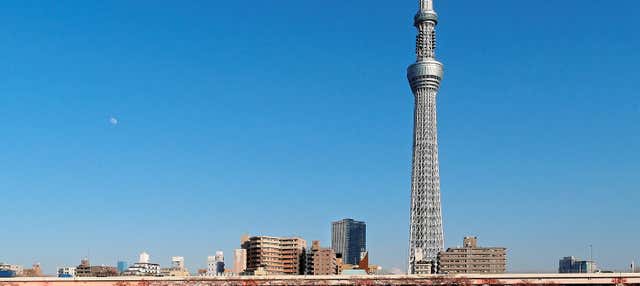
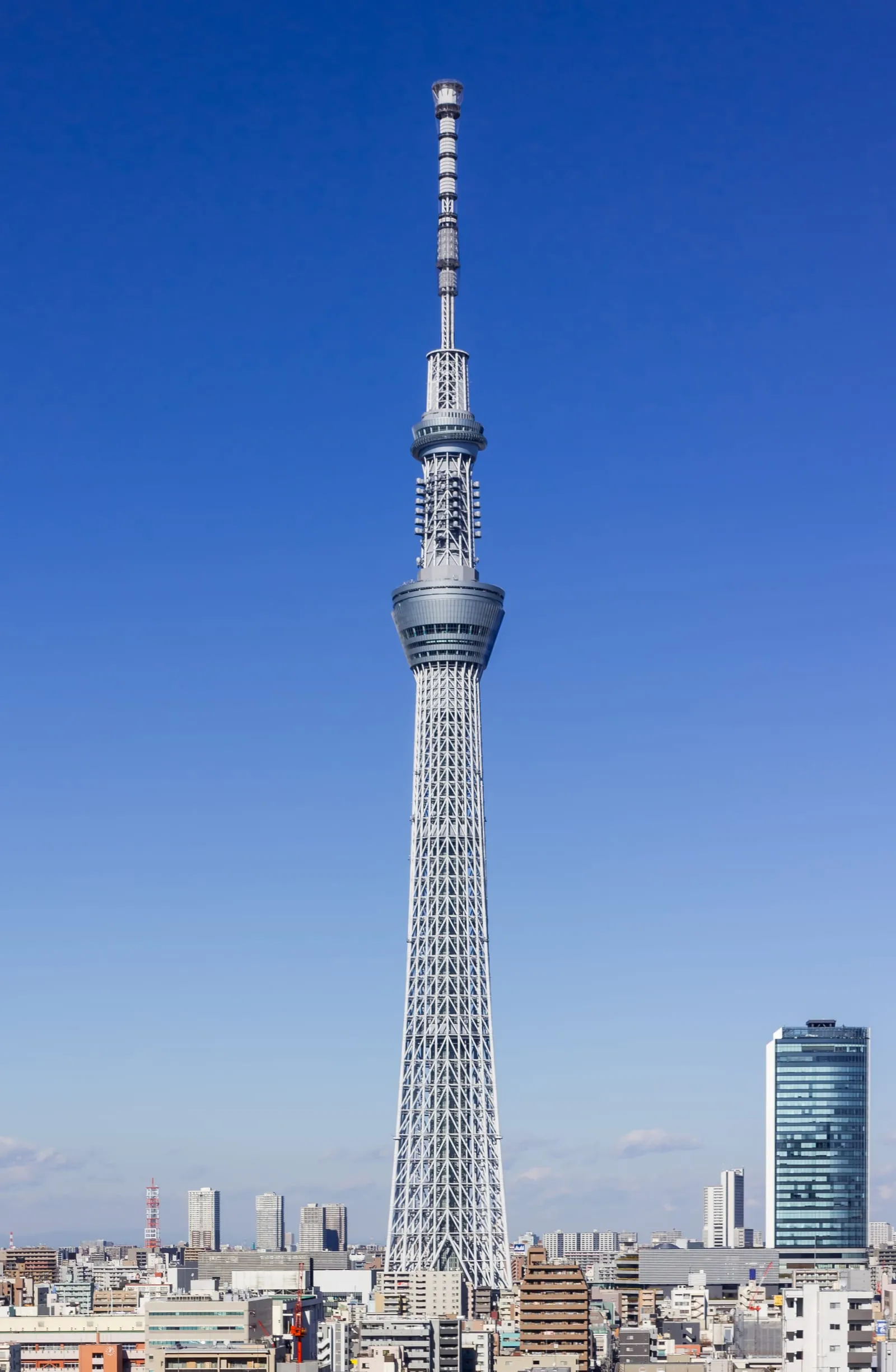
 A 2012 tower built to modern barrier-free standards: lifts to both observation decks, accessible toilets on every level including 450 m, and free wheelchair loan.
Getting around: the ramp comes to you
The single thing that makes Tokyo work is the boarding ramp system. Tell any station attendant your destination, and they fetch a portable ramp, walk you to the correct door, and radio ahead so a colleague is waiting on the platform at the other end with a second ramp. It costs nothing, needs no booking, and works across JR, Tokyo Metro, Toei and most private railways. Allow five to ten minutes at each end and it becomes routine.
Coverage is genuinely high. Tokyo Metro reports 176 of its 180 stations as step-free from street to platform, and JR East has lifts at almost every station inside the Yamanote loop. The catch is geometry rather than provision: the accessible route is often at one specific exit, and in a station the size of Shinjuku or Otemachi that can mean 400 m of underground corridor and two lifts to reach a doorway 80 m from where you started.
Buses are all low-floor with a manual ramp and a driver who deploys it without being asked. Taxis are the weak spot: the "JPN Taxi" wheelchair-accessible model is now common, but drivers vary in how confidently they set up the ramp, and hailing one at random is a gamble. Book through a dispatch app or the hotel desk if the trip matters.
Museums, towers and temples
Anything built since roughly 2000 tends to be excellent. Tokyo Skytree, teamLab Planets, the Mori Art Museum and the newer national museums were designed under Japan's Barrier-Free Act and deliver wide lifts, multipurpose toilets on every floor and staff who bring wheelchairs to the ticket desk without being asked. Accessible toilets here are unusually well equipped, often including ostomy fittings and an adult changing bench.
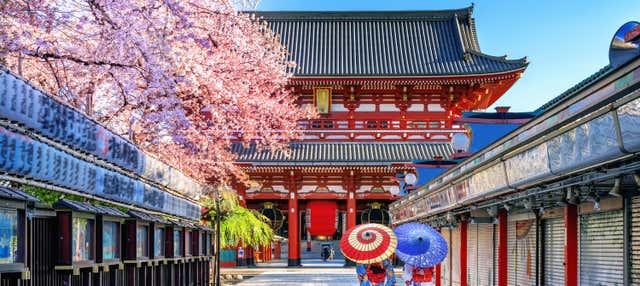
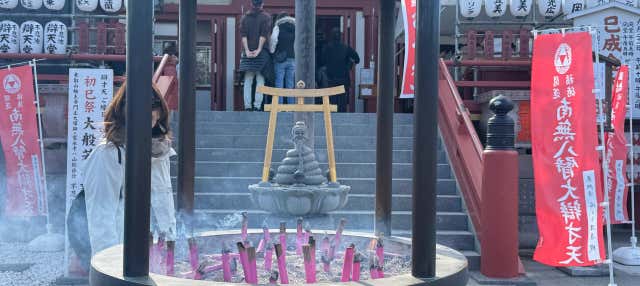
Historic sites are a different exercise. Sensō-ji, Meiji Jingū and the palace gardens all have a workable route, but it is rarely the obvious one: a side ramp behind a hall, a small lift tucked to the left of a staircase, a gravel path with one firm strip down the middle. Staff are willing but often speak limited English, so a screenshot of the accessible route from the venue's own map is worth more than a conversation.
Almost every paid attraction gives a discount, and often free entry, to a visitor with a disability certificate plus one companion. Foreign disability ID is accepted at many venues but not all, and the policy is rarely stated in English. Carry documentation and expect to show it at the counter rather than online.
Streets, surfaces and vertical cities
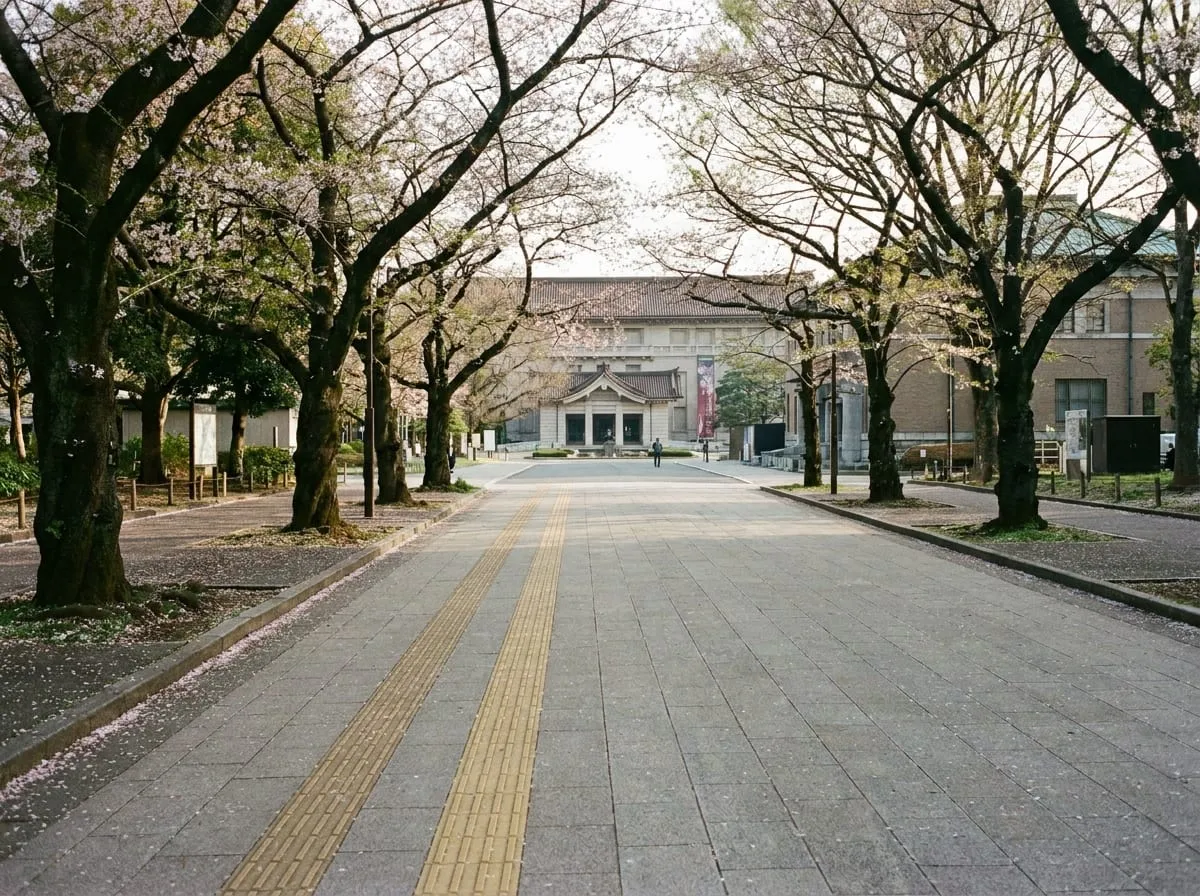
Tactile paving was invented in Japan, and it shows. The yellow blocks run continuously across pavements, through stations and up to crossings, with dot patterns for "stop" and bar patterns for "go this way". Audible crossing signals are widespread. For blind and low-vision travellers Tokyo is one of the easiest big cities in the world to move through independently.
For wheelers, surfaces are generally smooth asphalt or paving slabs in good repair, and dropped kerbs are close to universal on main roads. The problems are width and clutter. Residential side streets often have no pavement at all, so you share the carriageway with cars; shopping streets in Asakusa and Ueno are lined with bicycle parking that narrows a 200 cm path to about 90 cm.
Tokyo is also relentlessly vertical. Restaurants sit on the fourth floor of a building with one 90 cm lift, and department-store complexes stack ten levels of shops above a station. Lifts are plentiful but often placed at the far corner of each floor, which means real distance covered inside buildings. Budget more time indoors than you would in a low-rise European city.
Practical planning
Two published resources are better than anything a guidebook offers. The Tokyo Metropolitan Government runs an English barrier-free facility database covering thousands of venues with photographs of entrances and toilets, and it also publishes route-by-route accessibility walking guides for the main tourist districts. Both are free and specific enough to plan from.
Avoid the crush. Rush hour on the core lines runs roughly 07:30-09:00 and 17:30-19:30, and at peak density staff will politely ask you to wait for a later train because the ramp cannot be deployed safely. Travelling between 10:00 and 16:00 removes most friction, and Sunday mornings are the quietest window of the week.
Hotel rooms marked "accessible" vary a great deal. Older business hotels may have a 70 cm bathroom door and a step into the shower unit, while newer international brands meet the standards you would expect. Ask for the door width in centimetres and a photo of the bathroom rather than accepting the label.
When to go for easier access
Late October to early December and mid-March to April give mild, dry weather. Cherry blossom season packs Ueno and Asakusa to the point where a wheelchair cannot move through the main paths, and August combines 34°C with high humidity that makes long outdoor stretches genuinely unsafe.
Fares, passes and assistance
Published by the operator. Concession rules change, so check before you buy.
- Disabled concession
- Discounted fare for physically-challenged passengers
- 50% reduction
- Residents only — not available to visitors
A 50% discount applies when a Type 1 disabled passenger travels with a caregiver. You present a Japanese disability certificate - a physical disability certificate, rehabilitation certificate, or health and welfare certificate for persons with mental disabilities - to the gate attendant at the destination or junction. The scheme is built on Japanese-issued certificates.
- Companion travel
- Companion pays normal fare
The published benefit is a 50% discount applied when a Type 1 disabled passenger and a caregiver travel together - the carer pays a reduced fare rather than travelling free.
- Booking assistance
- No advance booking scheme published
Toei Transportation states that portable wheelchair ramps, which let users board and leave trains at any point on the platform, are available at all Toei Subway stations - contact the nearest station staff to use one. Fixed boarding slopes are also built into the platform at Mita Line stations (by carriages 2 and 5) and at all Oedo Line stations (carriages 4 and 5).
Good to know
- Tokyo Metro states it assures at least one route from ground level to gate to platform using lifts, slopes, stairlifts or wheelchair-accessible escalators, and publishes barrier-free facilities station by station with a search tool.
- Tokyo has two separate subway operators - Tokyo Metro and Toei - and each publishes its own facilities and assistance procedures. Check the operator for the specific line you plan to use.
Sources: Tokyo Metro - Fare for the physically-challenged passenger (retrieved August 10, 2026) · Tokyo Metro - Search station by barrier-free facility (retrieved August 10, 2026) · Toei Transportation - Accessibility (wheelchair users) (retrieved August 10, 2026)
Accessibility in Tokyo: common questions
Is the Tokyo Metro wheelchair accessible?
Yes, to an unusually high standard. Tokyo Metro reports 176 of its 180 stations as step-free from street to platform, and staff will bring a portable ramp to bridge the platform gap and radio ahead so a colleague meets you at your destination. No booking is needed. Check which exit holds the lift, as the step-free route is often at one end of a large station.
Are temples and shrines in Tokyo accessible to wheelchair users?
Partly. The main approach at Sensō-ji is flat and wide, and a side ramp and a small lift reach the main hall's worship area. Smaller halls, gates and sub-shrines usually keep their steps, and gravel or raised stone thresholds are common. Look for the venue's own barrier-free map before you go rather than assuming a route exists.
Do Tokyo attractions give a discount to disabled visitors?
Most do, often free entry for the visitor plus one companion on presentation of a disability certificate. Acceptance of foreign disability documentation varies by venue and is rarely stated in English online, so bring your ID card or certificate and present it at the ticket counter rather than buying online in advance.
Is Tokyo good for blind and low-vision travellers?
It is one of the best. Tactile paving originated in Japan and runs continuously across pavements, station concourses and platform edges, with distinct dot and bar patterns for stopping and direction. Audible crossing signals, braille on lift buttons and handrails, and braille fare tables are standard rather than exceptional.